


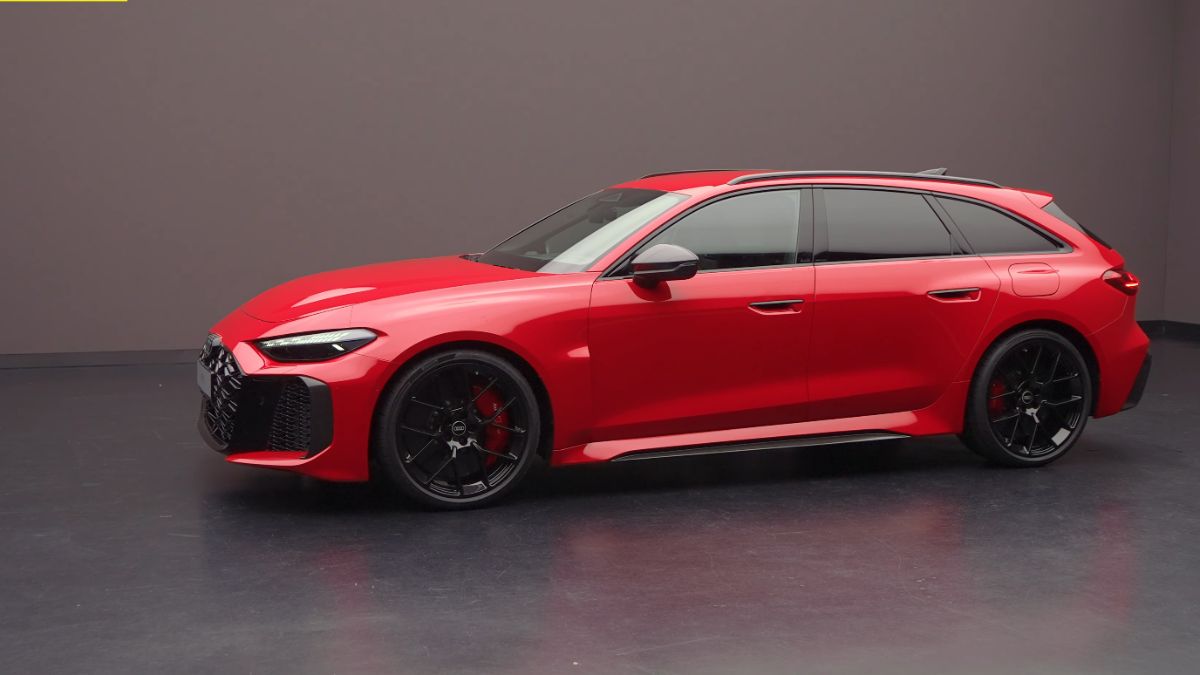
The new-generation Audi RS 5 for 2026 showcases a remarkable performance line-up with multiple body styles, including a sedan often called a limousine, and an Avant estate. It replaces the RS4 Avant and earlier RS5 variants like the Sportback and coupe across international markets, reflecting Audi’s revised platform strategy. The car features a plug-in hybrid V6 powertrain delivering 630bhp and 825Nm of torque, paired with a precise Quattro all-wheel-drive system and an advanced rear differential setup.
For the first time, this technology is integrated throughout the RS 5 range, offering a thrilling yet controlled driving experience. Driving it gives you a great balance of elegant comfort and strong performance, showing off Audi’s top engineering skills around the world.
Power and Space Redefined: The 2026 Audi RS 5
The new RS 5 has seen a weight increase of about 550kg due to hybrid components compared to the outgoing model, which slightly reduces cargo capacity. The Avant offers boot space of 361 litres, about 115 litres less than the non-hybrid A5 Avant, while the sedan provides around 350 litres of luggage space. The added mass also boosts torque output by 37 percent over the previous RS4 Avant, giving the car a noticeably stronger performance without compromising practicality.
Also Read: Booked The Mahindra XEV 9S? Here’s Your Exact Waiting Period
Interior Features
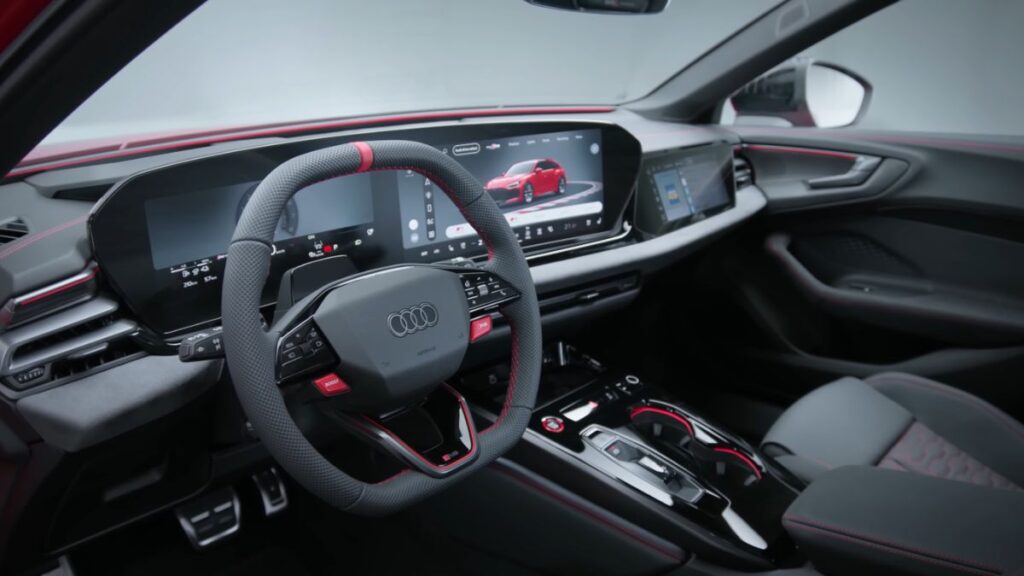
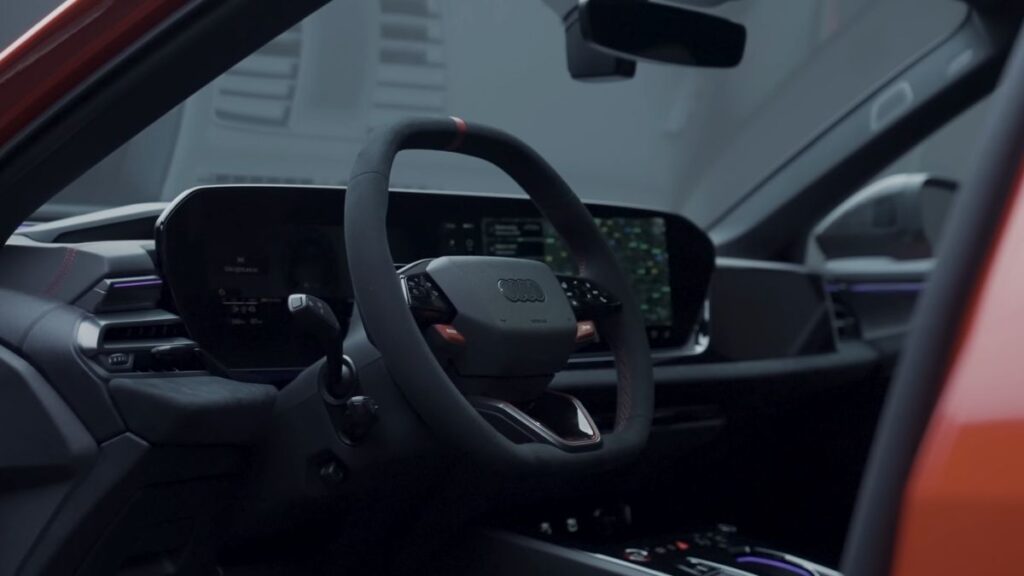
On the inside, the RS 5 gets material updates including Dinamica trim across the dashboard, doors, and seats, accented with red accents throughout the cabin. Sports bucket seats with heating, massage, and power adjustment are standard, while ventilation comes with an optional package. The rear seat offers generous seating space, and a sunroof is also optional, making the interior both functional and luxurious.
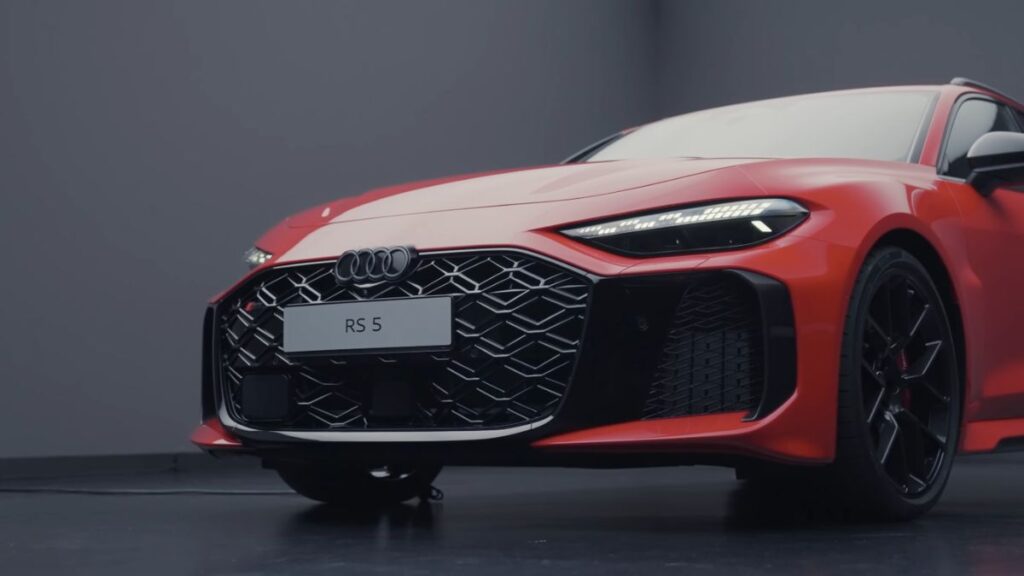
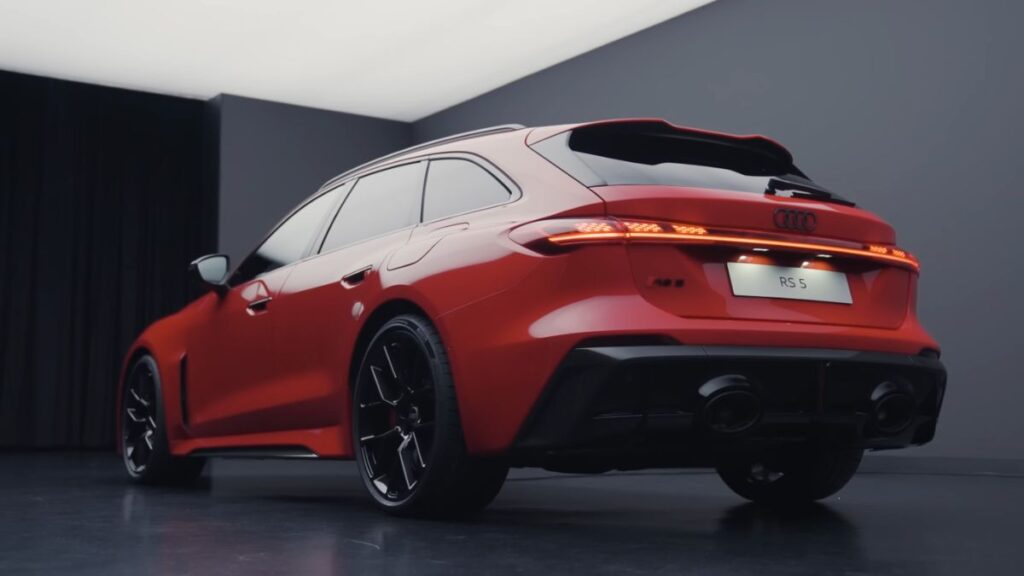
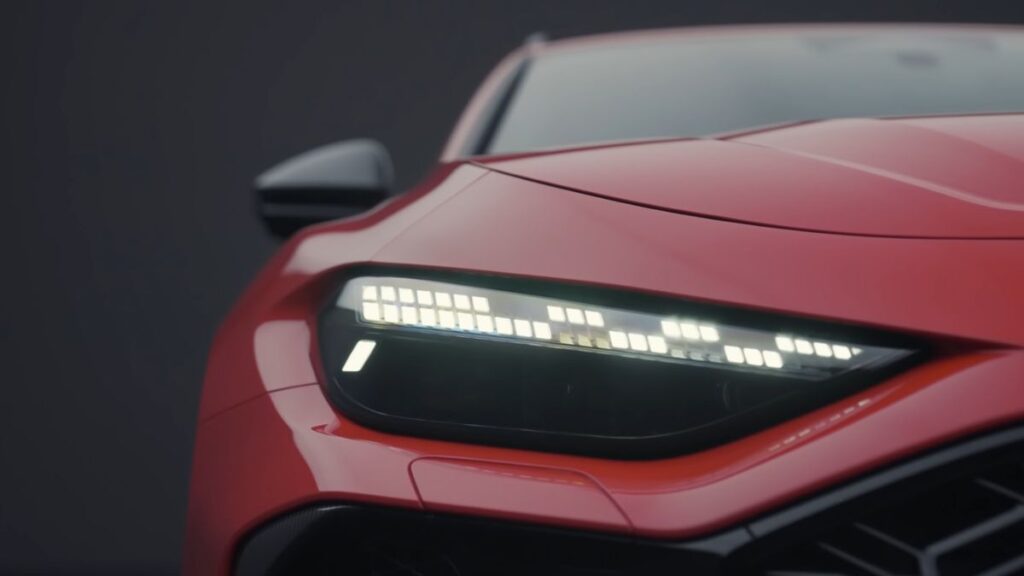
Visually, the RS 5 features a revised front grille that flows into side air intakes, paired with LED daytime running lights showing unique patterns for the RS variant. At the rear, exhaust outlets sit closer together inside a diffuser, while 20-inch wheels come standard, with 21-inch wheels and carbon-ceramic brakes available as options. Both the sedan and Avant have a sloping roofline, and the sedan uses a liftback-style tailgate hinged at the roof, creating a dynamic, sporty silhouette.
Key Specs and Highlights of the 2026 Audi RS 5
| Category | Specification / Detail |
|---|---|
| Model | 2026 Audi RS 5 |
| Body Styles | Sedan, Avant |
| Powertrain | Plug-in hybrid V6 |
| Engine | 2.9L twin-turbocharged V6 petrol |
| Transmission | 8-speed torque-converter automatic |
| Drivetrain | Quattro all-wheel-drive |
| Power Output | 630 bhp |
| Torque | 825 Nm |
| Acceleration 0-100 kph | 3.6 seconds |
| Kerb Weight (Avant / Sedan) | 2,370 kg / ~2,355 kg |
| Battery Pack / Electric Range | 25.9 kWh / 22 kWh usable, 80 km electric-only |
| Boot / Luggage Space (Avant / Sedan) | 361 litres / ~350 litres |
| Wheels | 20-inch standard, optional 21-inch with carbon-ceramic brakes |
| Interior Highlights | Dinamica trim, sports bucket seats with heating/massage/power, red accents |
| Driving & Handling | Advanced rear differential, Dynamic Torque Control, preload function, multiple drive modes |
Also Read: 2027 Mercedes Baby G-Class: Rendered Images Show
Powertrain and Performance
The 2026 RS 5 is powered by a 2.9L twin-turbocharged V6 petrol engine paired with an electric motor integrated into an 8-speed torque-converter automatic gearbox, producing 630bhp and 825Nm of torque. Thanks to the hybrid components, the car can sprint from 0-100kph in just 3.6 seconds. The Avant version carries a kerb weight of 2,370kg, while the sedan is slightly 15kg lighter, making both body styles agile yet stable on the road. Experiencing it firsthand, the balance of weight and power makes acceleration feel seamless, even when pushing hard.
Electric and Hybrid Features
The plug-in hybrid system uses a 25.9kWh battery pack with 22kWh usable capacity, allowing the RS 5 to cover 80km in electric-only mode when fully charged. Charging is supported via AC power at 11kW, and the battery is neatly positioned at the rear above the rear differential assembly. This setup ensures that even with added battery weight, the handling remains precise and predictable, giving a smooth yet responsive ride.
Also Read: Ola Gen 3 Scooters and Bikes Are Ready for Upgrades
Advanced Drivetrain and Handling
The 2026 RS 5 introduces a revised version of Audi’s Quattro all-wheel-drive system with a limited-slip centre differential that can distribute 85 percent of torque to the rear wheels or 70 percent to the front wheels. The system also has a preload function to keep the centre differential partially engaged, improving response during throttle inputs.
At the rear, an electro-mechanical differential with Dynamic Torque Control uses an electric actuator delivering 8kW and 40Nm between wheels in just 15 milliseconds, all managed by a dedicated control unit that adjusts driving inputs across various drive modes. Personally, this combination gives an almost telepathic connection to the car, making cornering and power delivery feel intuitive and exhilarating.
