


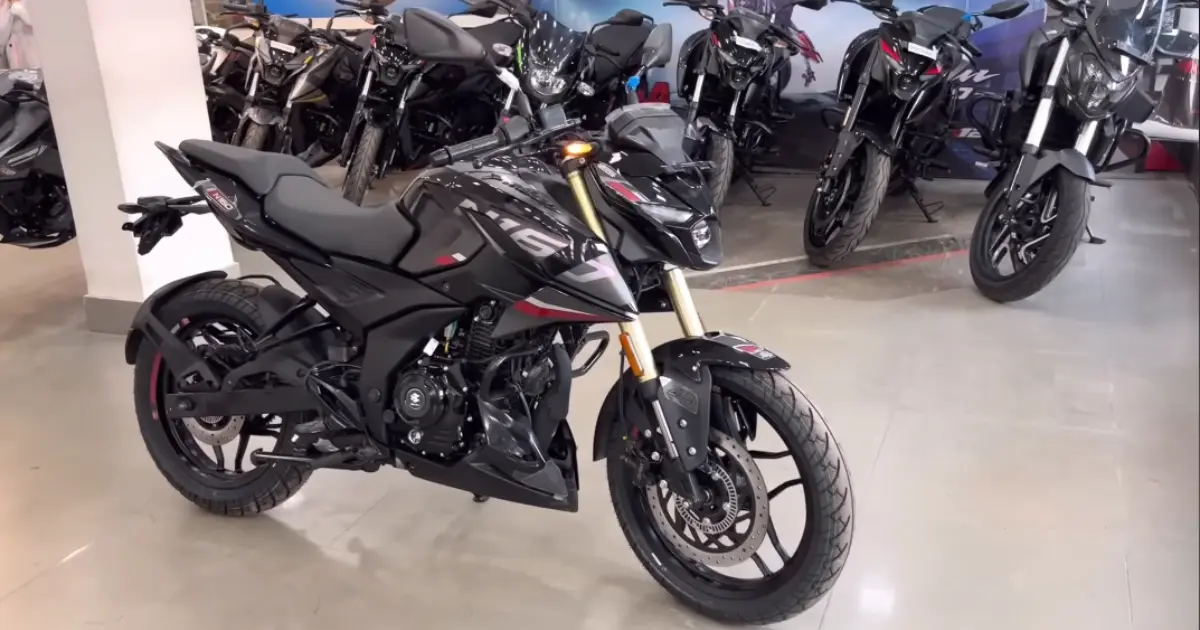
Despite the price hike, the Bajaj Pulsar range is expected to remain popular with buyers, as the limited quantum of increase is unlikely to deter purchase decisions.
From an industry standpoint, Bajaj Auto has hiked prices on select Pulsar models, with increases ranging from Rs 461 to Rs 1,460, and these adjustments, effective recently, mark a change that is significant but measured. What stands out to me is that Bajaj’s key lineup in the internal combustion engine range remains a strong volume driver in the ICE segment, accounting for nearly 60 percent of monthly sales, meaning the revision will affect most buyers without weakening demand.
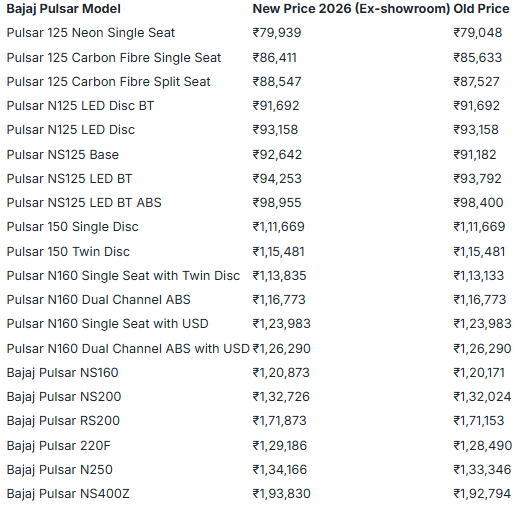
Starting with the Pulsar 125 series, the entry-level lineup has seen updated pricing, where the Neon Single Seat variant is now priced at Rs 79,939, up from Rs 79,048, a change I often notice first-time buyers carefully evaluate. At the same time, the Carbon Fibre Single Seat costs Rs 86,411, up from Rs 85,633, while the Carbon Fibre Split Seat is listed at Rs 88,547, up from Rs 87,527, reflecting a measured adjustment across variants without disrupting value perception.
No Change for N125, NS125 Gets Costlier
Starting with NS125, it sees hikes across variants, where the base variant is now Rs 92,642, up Rs 1,460 from Rs 91,182, while LED BT is priced at Rs 94,253, an increase of Rs 461 from Rs 93,792, and LED BT ABS now costs Rs 98,955, up Rs 555 from Rs 98,400. However, the Pulsar N125 retains its earlier pricing, a balance I often see brands maintain to keep entry buyers comfortable while adjusting higher trims.
The Pulsar 150 single-disc and twin-disc variants remain unchanged at Rs 1,11,669 and Rs 1,15,481, respectively.
Price Adjustments in the 160cc Line-up
The Pulsar N160 Single Seat with Twin Disc is now priced at Rs 1,13,835, up Rs 702 from Rs 1,13,133, while Other N160 variants with Dual Channel ABS, Single Seat with USD, and Dual Channel ABS with USD stay unchanged at Rs 1,16,773, Rs 1,23,983, and Rs 1,26,290.
Starting with the 250cc segment, the Pulsar N250 is now priced at Rs 1,34,166, up Rs 820 from Rs 1,33,346, while the top-end Pulsar NS400Z costs Rs 1,93,830, rising by Rs 1,036 from Rs 1,92,794, which reflects how higher-capacity models are being steadily realigned. At the same time, Pulsar NS160, NS200, and RS200 rise by Rs 702 to Rs 1,20,873, Rs 1,32,726, and Rs 1,71,873, respectively, while the Pulsar 220F stands at Rs 1,29,186, up Rs 696 from Rs 1,28,490, following its 2026 update in December 2025, a pattern I often notice when refreshed models are repriced gradually.
Bajaj Pulsar Price Hike
The Bajaj Auto move to increase prices on several Pulsar motorcycles brings small hikes ranging from Rs 461 to Rs 1,460, mainly linked to elevated production expenses, and based on long-term observation of the two-wheeler market, such changes are minor and should not significantly impact demand, as the Pulsar series still continues to drive close to 60 per cent of Bajaj’s monthly ICE segment sales, showing how strong volumes easily absorb routine price adjustments.
Also Read: Kia Ends 2025 Strongly: December Sales Numbers of Sonet, Seltos & Carens
Among recent changes, variants in the Entry-level Pulsar 125 have seen clear rises, starting with the Neon Single Seat now at Rs 79,939, up Rs 891, while the Carbon Fibre option moves to Rs 86,411 with an increase of Rs 778, and the Split Seat version touching Rs 88,547 after a Rs 1,020 hike; from my experience tracking this segment closely, such tweaks are common, especially as Pulsar N125 prices remain unchanged, even as NS125 models adjust, with the base at Rs 92,642 after Rs 1,460, LED BT at Rs 94,253 with Rs 461, and LED BT ABS priced at Rs 98,955 following a Rs 555 increase.
Unchanged and Revised 150–160cc Pricing
The spotlight now falls on mild revisions where the Pulsar N160 gets an up tweak of Rs 702, placing the Single Seat Twin Disc at Rs 1,13,835, while others remain steady at Rs 1,16,773 and Rs 1,26,290; meanwhile, the reliable Pulsar 150 continues to stay unchanged with single-disc at Rs 1,11,669 and twin-disc at Rs 1,15,481, a consistency many riders still value.
Higher-Variant Price Revisions
Post the December 2025 update, several higher models have increased prices, reflecting how the range is evolving from my years of tracking Pulsar trends. The Pulsar NS160, NS200, and RS200 are each up by Rs 702, now priced at Rs 1,20,873, Rs 1,32,726, and Rs 1,71,873, while the Pulsar 220F stands at Rs 1,29,186 after a Rs 696 rise. Moving further up, the Pulsar N250 rises to Rs 1,34,166 with a Rs 820 hike, and the flagship NS400Z reaches Rs 1,93,830, marking a sharper jump of Rs 1,036, showing how performance-focused variants are being positioned higher in the lineup.
