



The Skoda Kushaq facelift arrives with strategic upgrades and design changes to improve its position against key rivals, the Hyundai Creta and Maruti Suzuki Grand Vitara.
In my years covering this segment, timing is everything. Skoda India is launching the Kushaq facelift next week, a move that feels strategically sharp. This isn’t just another update; it’s the first significant refresh for the compact SUV since its 2021 launch. Remember, this was the inaugural model under the ambitious India 2.0 initiative from the Skoda Volkswagen Group. Now, facing stiff competition from fresh rivals like the Hyundai Creta and Kia Seltos in the booming C-segment, this refreshed Kushaq clearly aims to reclaim the spotlight with what we expect to be very targeted upgrades.
Reading Between the Camo Lines
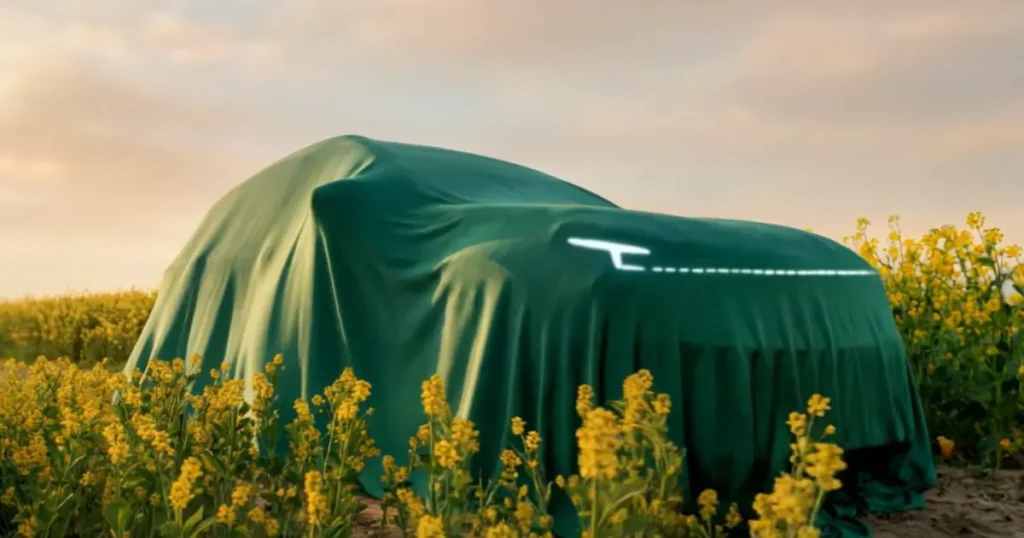
Judging by the spy shots and the official teaser the Czech brand recently dropped on social media, I can tell you that the visual changes are clever. Cloaking the SUV in green camouflage is a classic trick, making styling tweaks appear subtle at first glance.
But look closer, and these hint at major work to keep the iconic design intact while sharpening it. Up front, we can expect revised headlamps and bumpers flanking a larger Butterfly grille, paired with much sleeker LED daytime running lamps (DRLs). Moving to the rear, the taillamps are slimmer and may connect across the tailgate, a modern touch complemented by new 17-inch matte black alloy wheels that promise a distinctly sportier stance.
The Tech-Laden Interior Pitch
The interior revisions are squarely aimed at improving the Kushaq’s appeal against newer segment newcomers, with key highlights expected to include a panoramic sunroof, a digital instrument cluster, and a bigger touchscreen infotainment system boasting sharper graphics.
Performance and Safety Speculation
On the mechanically side, whispers suggest the 1.5-litre TSI petrol variants could gain rear disc brakes, a change that enthusiasts will appreciate for promised sharper handling. There’s also strong chatter that top-spec models across the 1.0-litre and 1.5-litre engines might introduce Level 2 ADAS features, crucial safety tech like adaptive cruise control and lane-keep assist. However, here’s a potential twist for purists: the chances are that the 1.5-litre TSI engine will only be available with the DSG automatic gearbox and might miss out on the beloved six-speed manual transmission.
Also Read: Bajaj Pulsar 125 Gets A Modern Update
The Kushaq’s real-world character is defined by its engines, and they’re likely to remain its strong suit. The base 1.0-litre three-cylinder turbo petrol unit is expected to be tuned as before to put out 115 hp of power and a decent 178 Nm of torque, perfect for city commuting. Meanwhile, the larger 1.5-litre four-cylinder TSI engine continues to be the performance star, designed to put out a robust 150 hp and a muscular 250 Nm of torque, delivering its best at the peak of its performance.
Taken together, these updates smartly position the Kushaq to challenge its main rivals—the Hyundai Creta, Tata Sierra, and Maruti Grand Vitara—far more aggressively. The final piece of this puzzle, of course, is the pricing. If industry whispers are accurate, it’s expected to start around Rs 11.5 lakh (ex-showroom), a critical figure that will make or break its value proposition. Once announced, deliveries should start kicking off soon after the official launch.
