


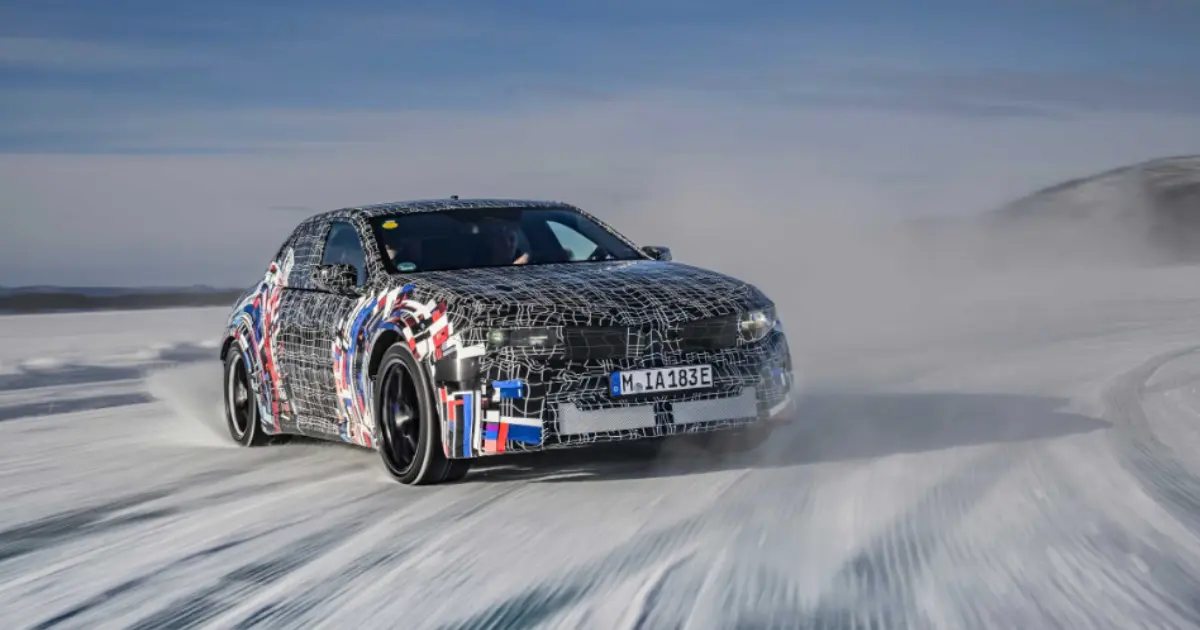
BMW M has concrete plans for fully electric, high-performance models based on its upcoming Neue Klasse architecture. The first of these new platform-based cars is expected to arrive globally from 2027, marking a decisive transition for the brand’s iconic performance division towards battery-electric drivetrains.
The key lies in its newly developed electric architecture, which isn’t just adapted from regular models but is designed specifically for high-stakes performance applications. Central to this is the ingenious M eDrive system. Its setup features four motors, one for each wheel. This isn’t just about power; this enables individual wheel control and allows torque to be distributed independently in milliseconds, depending on the exact driving conditions. This is where electric propulsion meets M’s legacy of precision.
The Digital Brain Behind the Brawn
The entire system is managed by BMW’s Dynamic Performance Control software, integrated into a centralised vehicle electronics structure. This broader Neue Klasse architecture will use multiple high-performance computers to seamlessly manage the infotainment, driver assistance systems, and comfort features.
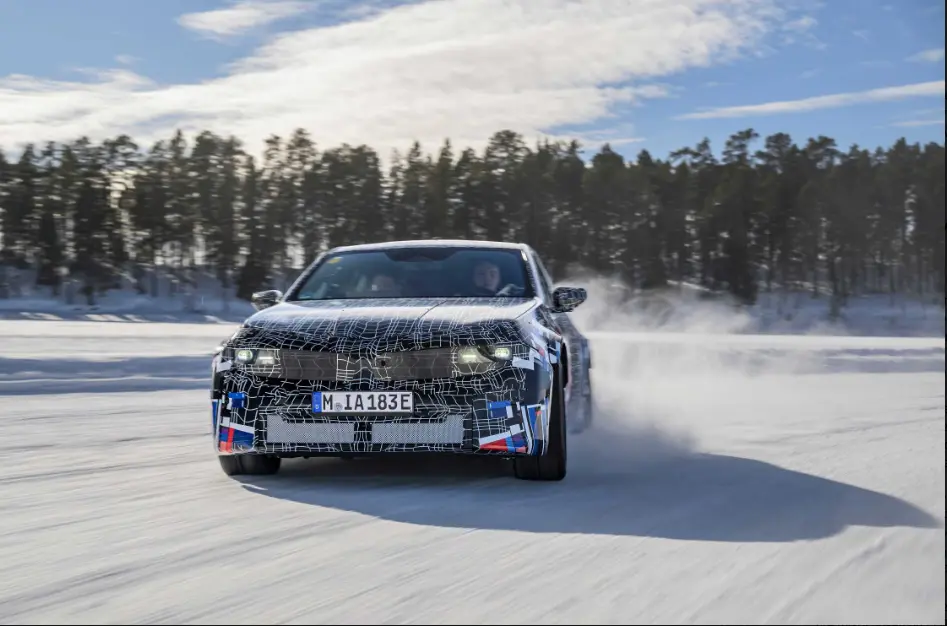
BMW states this four-motor configuration intelligently combines the characteristics of classic rear-wheel-drive and modern all-wheel-drive systems. Under certain conditions, like highway runs, the front axle can be decoupled to prioritise pure rear-wheel drive, a move expected to improve efficiency during steady cruising. Furthermore, these electric models will include selectable drive modes, simulated gear shifts, and customizable artificial sound profiles to deliver the engaging sensory feedback that M drivers expect.
Also Read: Skoda Kushaq Facelift Teaser Drops Before Debut
Powering this advanced electric drivetrain is a new battery with over 100kWh of usable capacity. This pack is based on BMW’s sixth-generation battery technology and the efficient 800V architecture. Critically, BMW says it has been specially adapted to handle repeated high-performance use, thanks to upgraded cooling and energy management systems. Furthermore, the battery casing itself forms a key structural part of the vehicle, directly contributing to its overall stiffness and handling dynamics.
Further details regarding the first specific models, their exact performance figures, and market availability have not yet been announced. BMW has also not confirmed timelines for an India launch specifically. Though it’s clear the versatile Neue Klasse platform is expected to underpin multiple future electric BMW models globally, enthusiasts will have to wait for the official reveal to get the full picture.
