


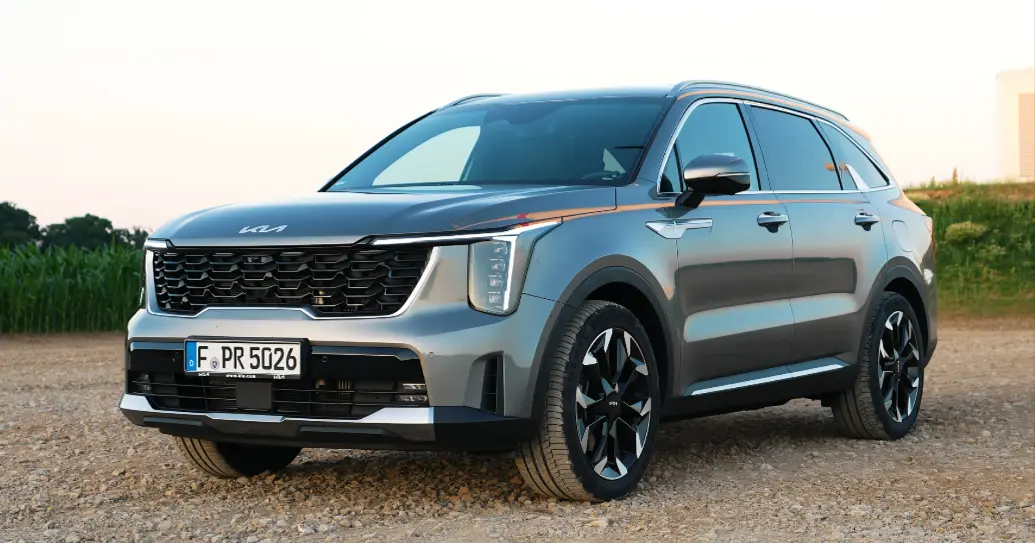
Kia’s blockbuster entry with the Seltos in 2019 wasn’t just a hit—it ignited a complete transformation. I’ve watched the brand masterfully expanded its reach over the years, but its next big step is the one that truly intrigues me: the long-anticipated India launch of the Sorento SUV (codenamed MQ4i). This move is core to Kia’s premium strategy. However, the plot has thickened. Fresh information reveals a crucial twist, one that could significantly change how this flagship is positioned in the Indian market.
A Major Shift in Assembly Strategy
According to Sources familiar with the matter, it has been confirmed that Kia is planning a significant move: to manufacture the Sorento locally in India instead of importing it as a CKD model. This is a notable departure from Kia’s current premium strategy, where the Carnival has been the only model assembled in India using imported CKD kits. This decision to shift to local production for a flagship model signals a deeper, more confident investment.
I can tell you that the level of localisation is the truest test of a company’s commitment. For the Sorento, Kia is reportedly betting big on full local manufacturing. This isn’t just about achieving competitive pricing for the Indian market—though that’s a major eye-opener—it also opens the door to significant potential exports in the future. The Production will take place at Kia’s impressive Anantapur facility in Andhra Pradesh. This plant already manufactures high-volume models like the new gen Seltos, Sonet, and Carens, proving its capability to deliver quality at scale.
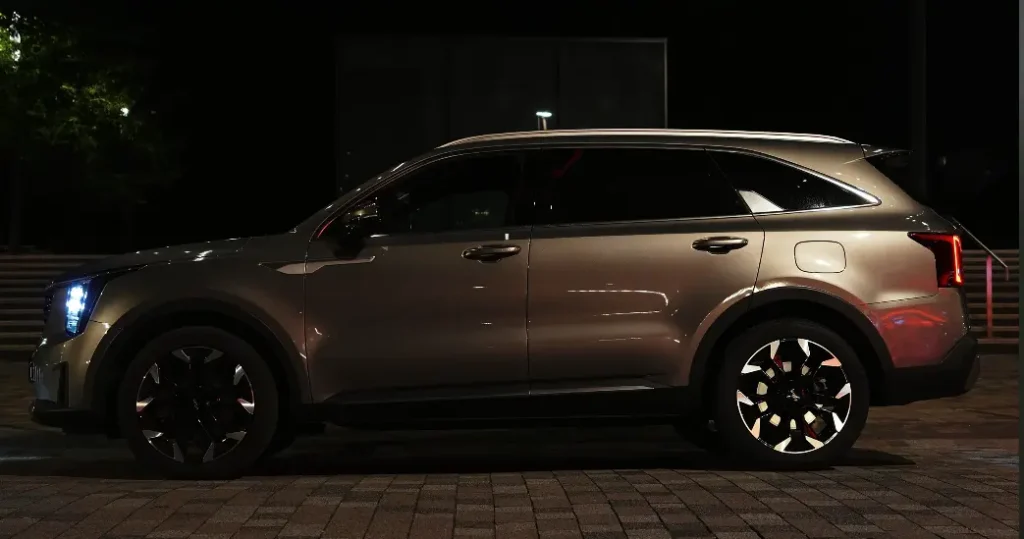
What’s particularly telling from a production standpoint is the method. Unlike the Carnival, which uses a dedicated CKD assembly setup, the Sorento will reportedly roll out from Kia’s core main production line—often called the “mother line”. I’ve seen how integrating a model onto this primary line signals true volume intent. This line has been specially upgraded to accommodate Kia’s upcoming flagship ICE SUV, requiring significant changes to everything from welding points and body dimensions to stamping parameters and paint processes. This level of retooling shows they’re building it in, not just bolting it together.
In simple terms, this shift means the Sorento will be made in India from the ground up, not merely assembled from imported kits. Based on what I’ve seen in the industry, this approach unlocks a fascinating possibility. To better suit local market positioning, the India-spec version could feature subtle design tweaks or even sport a completely different nameplate.
You Should Know That: Bajaj Chetak C25 Launched: Priced at ₹91,399, Offers 113 Km Range
A Flagship’s Stature and Ambition
Globally, the Sorento is a substantial vehicle; it measures around 4.8 metres in length, nearly 1.9 metres in width, and stands about 1.7 metres tall, riding on a long 2,815 mm wheelbase. In my experience, these dimensions firmly place it in the premium three-row SUV category.
Once launched here—potentially as an India-specific counterpart—it will sit at the very top of Kia’s ICE SUV lineup in the country, positioned above the new Seltos (which is 4,460 mm long) in the company lineup. The real story is the volume confidence: Kia is reportedly targeting annual volumes of around 50,000 units. This target underlines the brand’s immense confidence in its local manufacturing plan and suggests a very aggressive pricing strategy to make it a mainstream premium offering.

From a practicality standpoint, this SUV is expected to be offered with a versatile three-row seating layout. Globally, the Sorento impressively offers about 190 litres of boot space with all rows up, expanding to roughly 800 litres with the third row folded, and up to nearly 2,000 litres with the second row down. Based on comparable localisations I’ve seen, Similar practicality figures are expected for the India-spec model, which is great news for families needing that flexible cargo room.
Expected Design and Powertrain
Looking at what Indian buyers are looking for in a premium family SUV, the design is likely to carry over the global styling—bold yet refined—which should resonate well. Under the hood, Kia is expected to offer the key attraction: a self-charging hybrid powertrain. This setup is likely based on the proven Hyundai–Kia 1.5-litre four-cylinder petrol engine. To further boost its credentials, an AWD layout could also be on the cards, significantly strengthening its appeal for those wanting extra capability. However, a plug-in hybrid variant seems unlikely at this stage.
When it arrives, the Sorento is expected to directly take on rivals like the Toyota Innova Hycross and its Maruti counterpart, given their shared focus on efficient hybrid technology, generous space, and long-distance comfort. The SUV has already been seen undergoing road tests in India.
The pricing is expected to hover around the Rs 30-40 lakh bracket, a figure made feasible largely due to local manufacturing. If this strategy materialises, it could truly mark Kia’s most ambitious India product yet—one that blends premium positioning with high localisation, a combination rarely seen in this segment. The official Launch is expected sometime later this year.
