


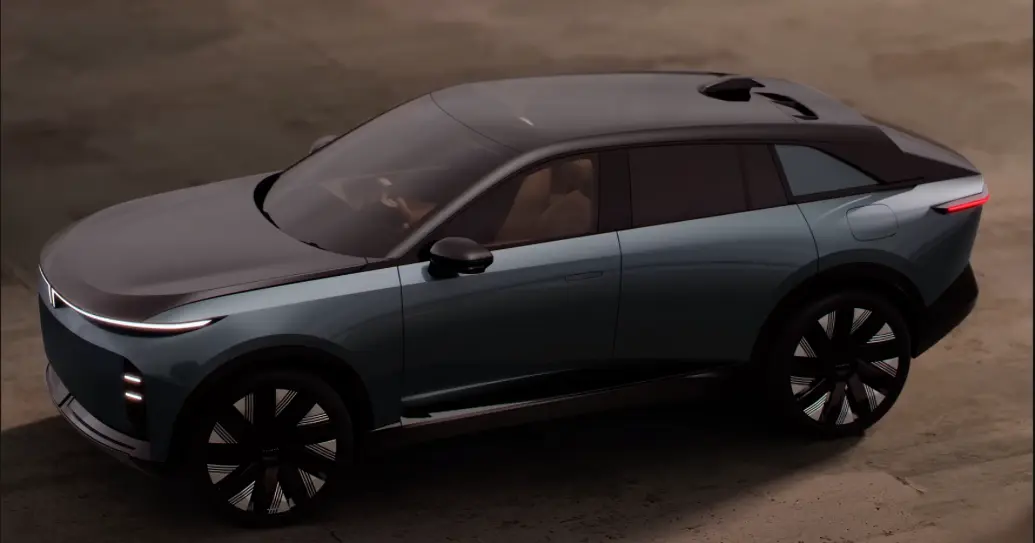
Get ready for a landmark debut. The very first production model from the revolutionary Tata Avinya series is officially confirmed for its Indian launch this calendar year.
Tata Motors is decisively laying the groundwork for its most ambitious flagship electric vehicle programme yet. The Avinya nameplate is destined to be the flag-bearer of the company’s future EV plans. After multiple speculations and a postponed launch timeline, it was Confirmed recently that the first production-ready Avinya model is officially scheduled to arrive before the end of this calendar year.
The Multi-Billion Rupee Electric Blueprint
To support this major transition, the company has committed a substantial investment of around Rs 16,000 to Rs 18,000 crore between FY25 and FY30. This massive capital will be channelled into developing all-new dedicated EV platforms, cutting-edge vehicle technologies, supplier localisation, and a rapidly expanding charging ecosystem. As the centerpiece of this strategy, the Avinya series will be positioned as a standalone portfolio, defined by Tata’s future-facing design and a revolutionary software-led architecture.
Before the Avinya takes centre stage, Tata plans to strengthen the bridge between its popular mass-market EVs and its upcoming premium models. Key Products like the Sierra EV arriving in early 2026, along with the updated Punch EV, will play a crucial role in this transition. This strategic sequencing is backed by solid confidence, which stems from the brand’s strong performance in India’s electric passenger vehicle space over the past five years.
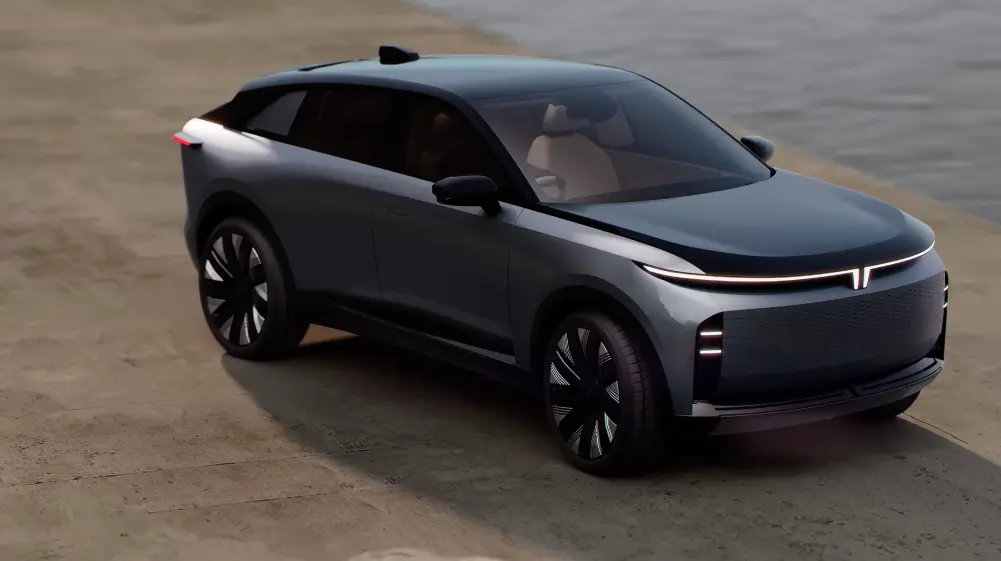
A Distinct Identity and Retail Experience
The Avinya range, however, will follow a very different philosophy altogether. The first model is expected to be either a sleek sportback-style vehicle or a premium SUV, with additional body styles planned over time. Unlike Tata’s existing products, the Avinya vehicles are likely to be sold through a revolutionary blended retail model that seamlessly combines immersive physical experience centres with a digital-first buying phase.
In a smart move, the Avinya models will not be restricted to a single battery chemistry. This flexibility is key, allowing the brand to evaluate the best alternatives beyond standard LFP packs, depending on specific range expectations, desired charging speeds, safety requirements, and optimal packaging. Furthermore, the vehicle’s Development is being supported by a significant technical collaboration with Jaguar Land Rover, particularly in critical areas like advanced software integration.
Also Read: Why the India-Made Kia Sorento Hybrid Could Redefine
Building a National Charging Ecosystem
To ensure the Avinya’s success, Tata aims to establish a massive infrastructure backbone. The immediate goal is to set up nearly 40,000 charging points by 2027 through strategic partnerships under an open collaboration framework. Looking Further ahead, the company has outlined an ambitious long-term vision of reaching one million chargers nationwide. This infrastructure push is bolstered by strong local manufacturing; the company has already achieved over 50 per cent domestic value addition at the critical tier-3 supplier level, a feat that is helping it qualify for valuable PLI incentives.
The vision extends beyond the car itself. Used EV batteries will be repurposed for renewable energy storage, adding a vital circular economy dimension to the overall strategy. This holistic approach is set against an already dominant position; Tata Motors’ EV market share is currently hovering between 40 and 45 per cent. The company firmly believes the premium Avinya programme will help push that figure even closer to the 45–50 per cent range in the coming years.
