


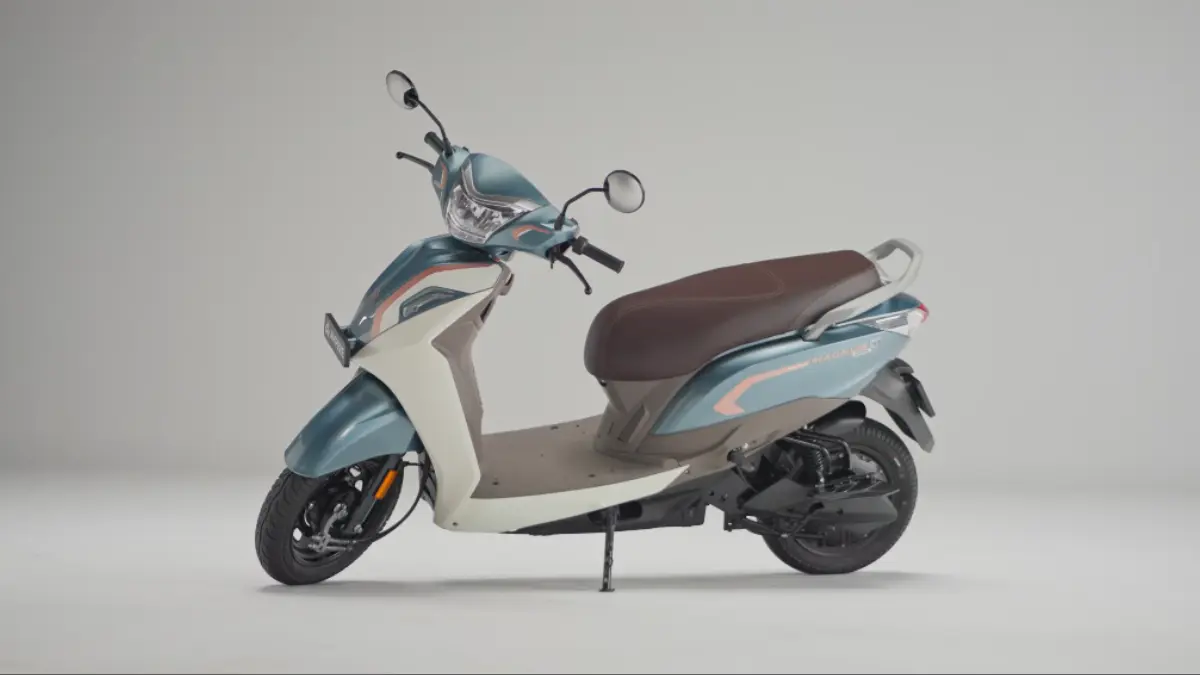
Greaves Electric Mobility has launched the Ampere Magnus G Max, expanding its portfolio with a smartly priced family electric scooter at an introductory ₹94,999. In my view, this model wisely focuses on everyday usability for Indian families rather than flashy performance, directly addressing what many practical EV buyers actually need.
The Core of its Long-Term Promise
The Ampere Magnus G Max is powered by a 3 kWh Lithium Ferro Phosphate (LFP) battery, a chemistry I’ve come to appreciate for its better thermal stability and longer life—a smart choice for Indian conditions. While the official certified range stands at 142 km, the company’s claims of a real-world range of over 100 km in Eco mode are far more practical for planning daily commutes. As for charging, going from 20% to 80% takes around 4.5 hours, which should comfortably suit typical overnight home charging routines. This whole package is backed by a solid 5-year or 75,000 km warranty, a clear move by Ampere reinforcing its focus on long-term ownership confidence.
Understanding its Urban Performance
At the heart of its design, the scooter gets its motion from a hub-mounted motor, a setup that delivers a sensible 1.5 kW nominal and 2.4 kW peak output. This translates to a top speed of 65 kmph, which I’ve found from experience is a sweet spot, making it well-suited for typical urban commuting without feeling underpowered. To give you control over this power, the bike offers three riding modes: Eco for maximizing range, City for balanced daily use, and a handy Reverse mode for maneuvering out of tight parking spots, covering all practical bases.
Built for Real-World Use
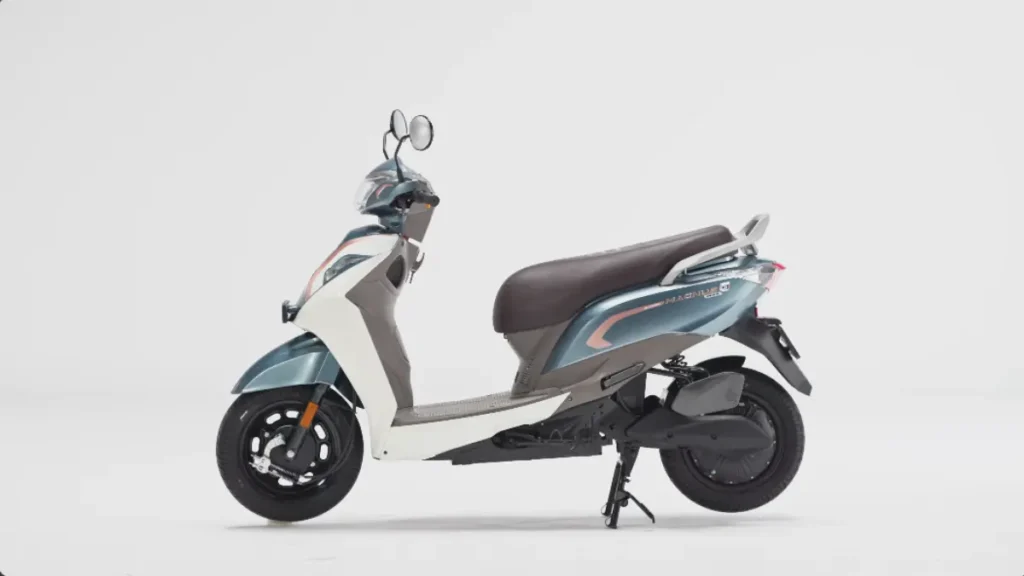
From a practical perspective, a key selling point is its storage solution. Ampere claims its 33-litre under-seat compartment is one of the largest in the segment, and that alone makes it extremely appealing for family use and daily errands. Beyond that, the scooter is built to handle daily grind; it rides on a sturdy dual-frame chassis and offers a generous 165 mm ground clearance. It’s equipped with a hydraulic telescopic front suspension along with dual rear shock absorbers, a setup I find crucial for helping it handle typical Indian road conditions more comfortably.
Did You Know That: From Stealth to Shine: Red Bull Dramatic 2026 F1 Makeover
A Balanced Tech Approach
In terms of tech, the scooter comes well-equipped for daily needs. It gets the standard essentials right, featuring a clear 3.5-inch LCD digital instrument cluster, a practical USB charging port, and modern LED headlamp and indicators. Where it gets interesting is that buyers can also opt for connected features via an optional telematics control unit, which I think is a smart move. This approach is about adding a useful layer of smart functionality for those who want it, cleverly without forcing it on everyone and complicating the base package.
Aesthetic Choices with a Purpose
The visual approach for the Magnus G Max mirrors its practical ethos. It is available in three distinct dual-tone colour options – Monsoon Blue, Matcha Green, and Cinnamon Copper – offering a touch of personality. More importantly, the overall design language remains clean and practical. From what I’ve seen, the team is clearly prioritising core function over any unnecessary design complexity, which I believe is the right call for a family-oriented vehicle.
Built on Experience and Insight
This scooter isn’t created in a vacuum; it was developed after extensive research into Indian family usage patterns. The result is a product with a strong focus on real-world priorities like range consistency, rider comfort, ample storage, and core battery safety. This thoughtful approach is backed by solid industry footing.
The company brings over 17 years of dedicated EV manufacturing experience to the table. It operates three manufacturing plants across India and supports customers through a vast network of 400 dealer touchpoints nationwide. Furthermore, it holds eight India Book of Records titles, a detail that truly helps in underscoring its established presence and credibility in the competitive EV space.
