


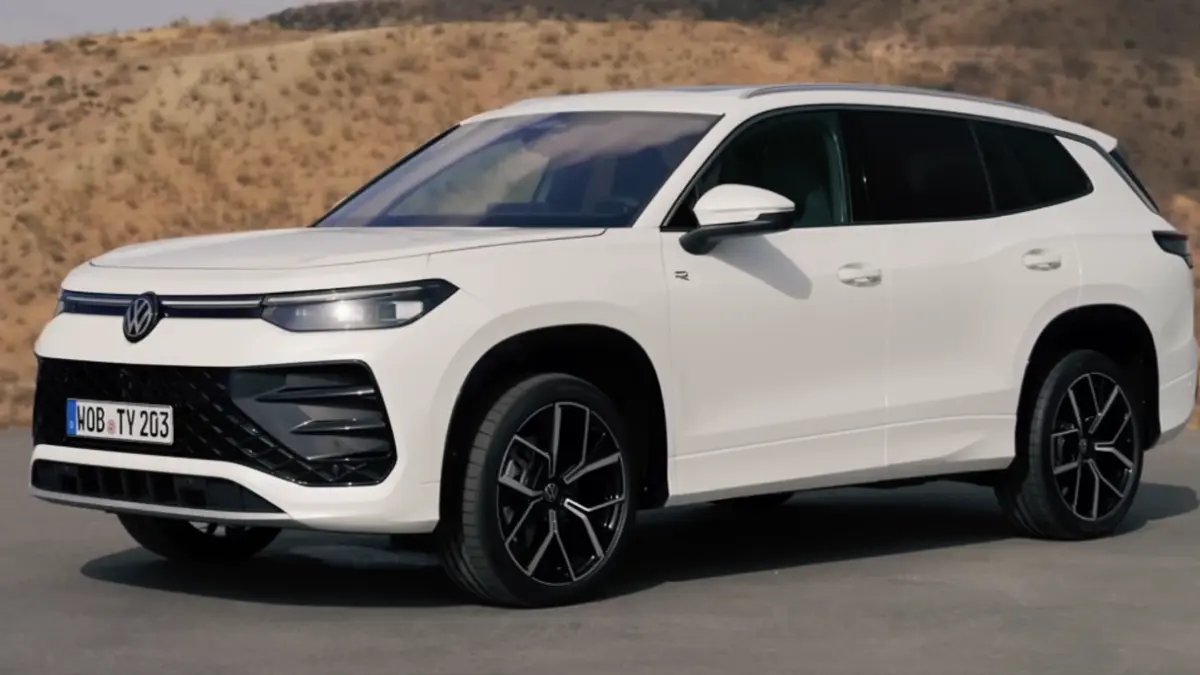
The highly anticipated latest flagship SUV from Volkswagen, the Tayron R-Line, is set to launch in India. From my analysis, its most significant challenge will be competing against its platform sibling, the upcoming Skoda Kodiaq RS.
The Road to Assembly and the Platform’s Promise
From my experience following automotive launches, the decision for local assembly in Maharashtra is a strategic masterstroke. It tells me Volkswagen is deeply serious about the Indian market. Assembling the upcoming Tayron R-Line at their plant in Chhatrapati Sambhajinagar (the city formerly known as Aurangabad) isn’t just about logistics; it’s a commitment. This seven-seater flagship SUV is set to be launched in March 2026, a move squarely aimed at expanding their premium range and strengthening the Volkswagen lineup of R-Line models.
Now, let’s talk about what this SUV is built on. Peering under the skin, the Tayron R-Line is cleverly constructed on the versatile MQB EVO platform. While it shares roots with the 5-seater Tiguan R-Line, a key differentiator is its wheelbase, which is extended by a significant 109 mm, totaling 2,789 mm to accommodate that third row. It will use the same proven 2.0-liter turbocharged petrol engine found in its sibling, confidently generating 204 hp and 320 Nm of torque. This power is smoothly transmitted to all wheels through a quick-shifting 7-speed dual-clutch automatic transmission, promising a capable and engaging drive.
Where Comfort Meets Confidence
Stepping inside, you immediately notice it’s more than just a stretched Tiguan. The interior is designed to boast both space and tech. Front-row seats are slightly modified and come equipped with a ventilation function, a true blessing in our climate. Your eyes are drawn to the massive 15-inch touchscreen infotainment display, paired with a crisp digital dashboard. For atmosphere, there’s a panoramic sunroof and ambient lighting with 30 color options to set the mood. It’s also widely anticipated to come with a 3-zone climate control system, ensuring everyone travels in comfort.
Also Read: Breaking Rs. 8.25 Lakh: 2026 Skoda Kylaq Classic+ & Prestige+ Trims Launched
Where this SUV truly aims to stand out is with its comprehensive safety features. It is expected to include a robust suite with 7 airbags, a 360-degree camera system for tight spots, and a tyre-pressure monitoring system. Crucially, it brings Level 2 ADAS to the segment, adding a layer of driving assistance, along with an electronic parking brake. All these aforementioned qualities put it directly in competition with established players like the Jeep Meridian and MG Gloster, as well as the upcoming Skoda Kodiaq RS.
The Anticipated Price and Market Return
It’s expected to be priced around Rs 50 lakh in the Indian market, a figure that has everyone talking. From my view, this move is about much more than just a new model; it’s a strategic play to bring the automaker back into the lucrative three-row SUV space. It should be noted that the manufacturer has been noticeably absent from this segment since the discontinuation of the Tiguan back in 2021, making this a significant and long-awaited return.
