


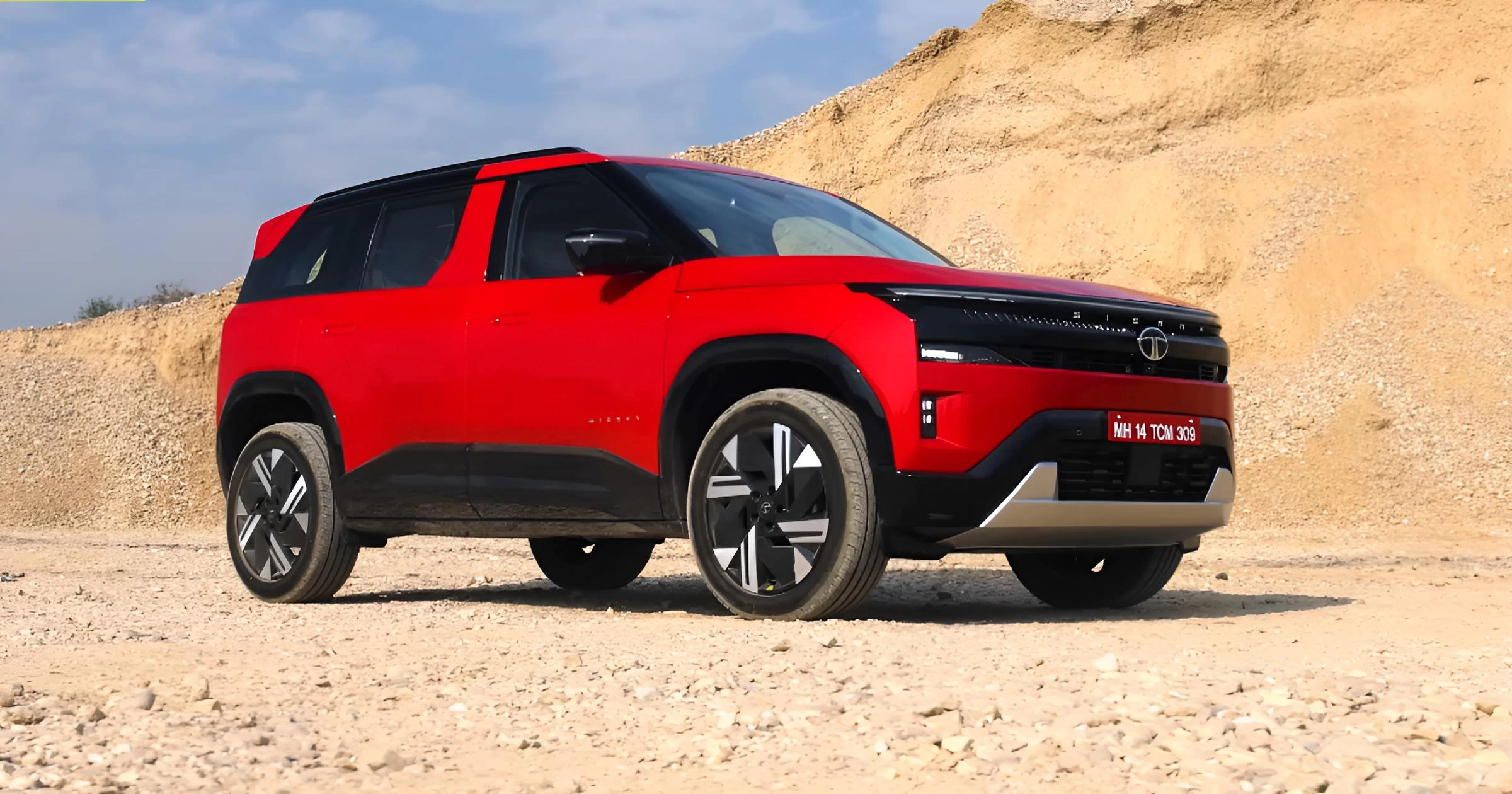
In my analysis of the CY2025 market, one gainer stood out decisively: Mahindra. They secured the title of biggest performer by achieving the highest volume increase—a remarkable jump of 97,739 units. This surge didn’t just boost their numbers; it rocketed them to finish second in the overall sales table for the very first time, recording a landmark achievement that redefined the competitive landscape.
In my years of analysing market trends, I’ve learned that real growth in the passenger vehicle market isn’t random. The past year clearly showed an apparent and significant change in the industry’s pecking order. This shift wasn’t universal; growth was increasingly concentrated among a select handful of brands who played their cards right.
While the overall competitive industry volumes remained a challenge, only these top manufacturers managed to post strong year-on-year gains. Their success formula? They decisively strengthened their SUV portfolios and strategically introduced refreshed products. This focus allowed them to achieve impressive results in both absolute numbers and growth per cent, proving that in a tough market, smart strategy creates the strong gains that redefine the order.
The Leaders and Their Strategies
When looking at the results, the story of CY2025 was dominated by Mahindra. They didn’t just participate; they emerged as the undisputed biggest gainer. Their performance was staggering: recording the highest volume increase of 97,739 units. These numbers translated into an 18 per cent growth rate, a surge accompanied by a solid market share gain of 1.5 per cent—the highest among all major brands.
This decisively proved Mahindra’s dominance in the crucial SUV space, where consistent demand for iconic models like the Scorpio, Thar, and the XUV range continued to fuel their remarkable growth.
The chase behind them was revealing. Maruti Suzuki secured the runner-up position for absolute sales expansion, with an annual increase of 51,091 vehicles. However, its smaller 3 per cent growth came alongside a 1.1 per cent decline in market share, suggesting that while its volumes increased, competition intensified across the mass-market segments it operates in.
Toyota followed closely, posting an addition of 50,832 units and achieving a robust 17 per cent rise. More importantly, it succeeded in improving its market share by 0.7 per cent, showing a growth that was both solid in volume and strategic in market positioning.
Also Read: Will The Skoda Kylaq CNG Save You More Money Than A Hyundai?
Strong Contenders and Niche Players
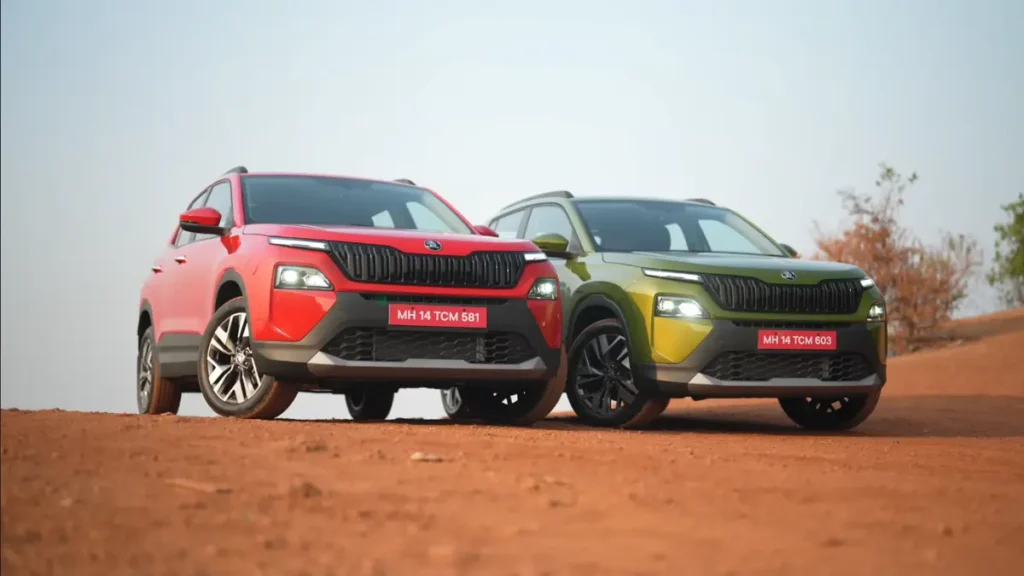
Among the other manufacturers, the year saw some truly standout performances. Skoda delivered one of the most significant, adding 37,478 units and recording a massive 107 per cent growth, along with a solid 0.8 per cent gain in market share. Not to be outdone, Kia also continued its upward trend, growing by 35,286 units for a 14 per cent increase and gaining 0.5 per cent market share.
For Tata Motors, the story was mixed. They recorded a moderate rise of 16,291 units, equating to 3 per cent growth, but they witnessed a slight 0.3 per cent dip in market share. Meanwhile, MG Motor posted 8,279 additional units, a figure where its growth rate stood at 14 per cent, largely courtesy of the popular Windsor EV. While Citroen saw a more marginal increase of 450 units, it still represented a positive 6 per cent growth on a YoY basis, showing progress across the board.
| Brand | CY2024 Sales (Units) | CY2025 Sales (Units) | Volume Change (Units) |
|---|---|---|---|
| Mahindra | 536,771 | 634,510 | +97,739 |
| Maruti Suzuki | 1,865,462 | 1,916,553 | +51,091 |
| Toyota | 297,830 | 348,662 | +50,832 |
| Skoda | 35,115 | 72,593 | +37,478 |
| Kia | 259,833 | 295,119 | +35,286 |
| Tata Motors | 552,902 | 569,193 | +16,291 |
| MG Motor | 59,927 | 68,206 | +8,279 |
| Citroën | 7,446 | 7,896 | +450 |
| Hyundai | 567,368 | 533,813 | −33,555 |
| Renault | 49,996 | 46,615 | −3,381 |
| Honda | 91,610 | 85,926 | −5,684 |
| Nissan | 63,089 | 55,434 | −7,655 |
| Volkswagen | 44,786 | 41,186 | −3,600 |
| Jeep | 6,803 | 4,192 | −2,611 |
The Brands That Lost Ground
On the flip side of this growth story, several major brands faced significant volume erosion. Leading this difficult trend was Hyundai, which saw a sharp decline of 33,555 units—a move that resulted in a 6 per cent de-growth and, critically, the largest market share loss of 1.5 per cent.
This wasn’t an isolated case. Other established names like Nissan, Honda, Renault, Volkswagen, and Jeep also ended CY2025 in the red, with each reporting negative growth and a drop in volume sales, highlighting the intense pressure in the market.
