


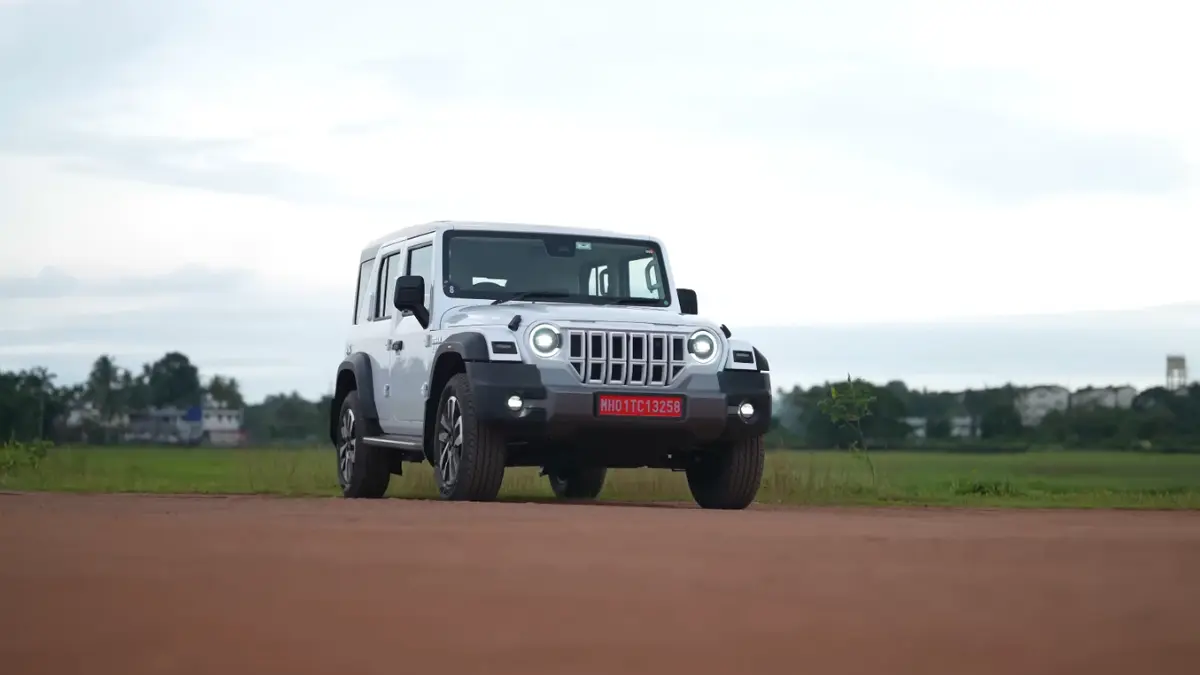
The consistent strength of its legacy nameplates, which have long poured in steady sales, combined with the arrival of a quick succession of exciting new models, has played a huge role in setting up Mahindra for a strong CY 2025.
The 2025 Market Upheaval: A New Order Emerges
The calendar year 2025 delivered a stunning shake-up to the PV sales leaderboard, truly reshuffling the established order. For the first time in its history, Mahindra surged to claim the second position, a spot that had been firmly held by Hyundai for nearly two decades. Witnessing this shift firsthand, it was clear the market was rewarding decisive action over legacy alone.
However, the industry structure remained heavily top-loaded. A small cluster of familiar brands—Maruti Suzuki, Tata, Hyundai, Kia, and Toyota—alongside Mahindra, continued to account for the overwhelming bulk of volumes, leaving little room for complacency. In this environment, growth was brutally selective. Success was dictated by timely launches of relevant products, which allowed companies to expand their footprint. Those who lagged in this race simply stagnated or slid backwards in the competitive pecking order, proving that in 2025, momentum was everything.
A Product-Led Revolution
Mahindra’s remarkable ascent to the number two spot wasn’t an accident; it was powered by a calculated, uninterrupted stream of new and updated models over the past two years. Speaking with dealers, the energy was palpable—instead of relying on a single halo product, the company strategically consolidated its reach with a wide array of SUVs across various price brackets and body styles.
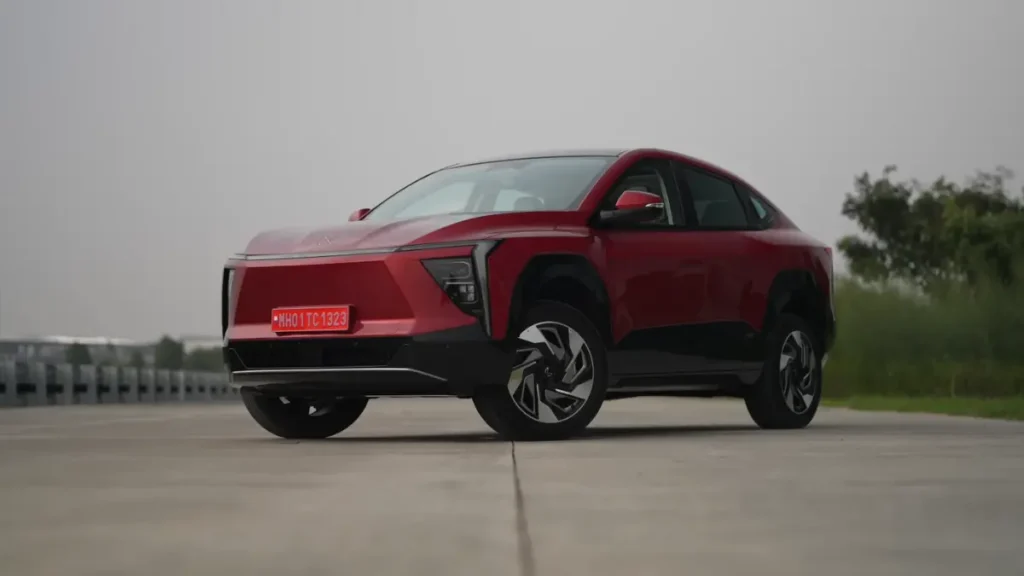
This constant drumbeat of fresh offerings and smart mid-cycle revisions ensured there was always a reason for sustained showroom traffic. More importantly, Mahindra’s bold, distinctive design language and genuine feature depth didn’t just attract looks; they actively helped convert casual curiosity into firm bookings.
Digging into the numbers for CY 2025 reveals the key role played by specific models. The five-door Thar was particularly responsible, contributing more than 53,000 units to the tally. Even its premium-priced sibling, the XEV 9e, amassed over 27,000 units, proving the brand’s widening appeal.
Alongside workhorses like the Thar Roxx, XUV 3XO, and the upcoming BE 6, these vehicles were instrumental in the brand garnering over one lakh unit sales. This performance placed Mahindra firmly among the top six manufacturers, a group that collectively accounted for 93 per cent of the total passenger vehicle sales in CY 2025, highlighting just how concentrated—and competitive—the market has become.
Also Read: New Hyundai Electric SUV Spied In Mumbai; Will Be Made In India First
The Great Market Share Shift of 2025
In a year of dramatic realignment, Mahindra unequivocally emerged as one of the biggest gainers, registering a robust 18 per cent year-on-year growth and adding a significant 1.5 per cent to its market share. This aggressive move stood in stark contrast to many established players who found themselves unexpectedly on the defensive.
While Maruti Suzuki comfortably retained its leadership crown, it progressed at a notably measured pace, a strategy that allows faster-moving rivals to quietly chip away at its share. Hyundai, too, felt the pressure; its dependence on a familiar lineup began to show clear strain as national buyer preferences shifted decisively toward more assertive SUV propositions.
Elsewhere in the market, other manufacturers charted varied paths. Brands like Toyota, Kia, Skoda, and MG found incremental success by cleverly refreshing their portfolios and precisely targeting niche gaps. Toyota, for instance, leaned heavily on its partnership-derived models to secure volume while simultaneously building its credibility at the premium end of the spectrum.
On the flip side, the story was different for several others. Well-known names including Honda, Volkswagen, Renault, and Jeep visibly struggled to generate any meaningful traction, highlighting how unforgiving the modern market can be to those who fail to adapt with the times.
