


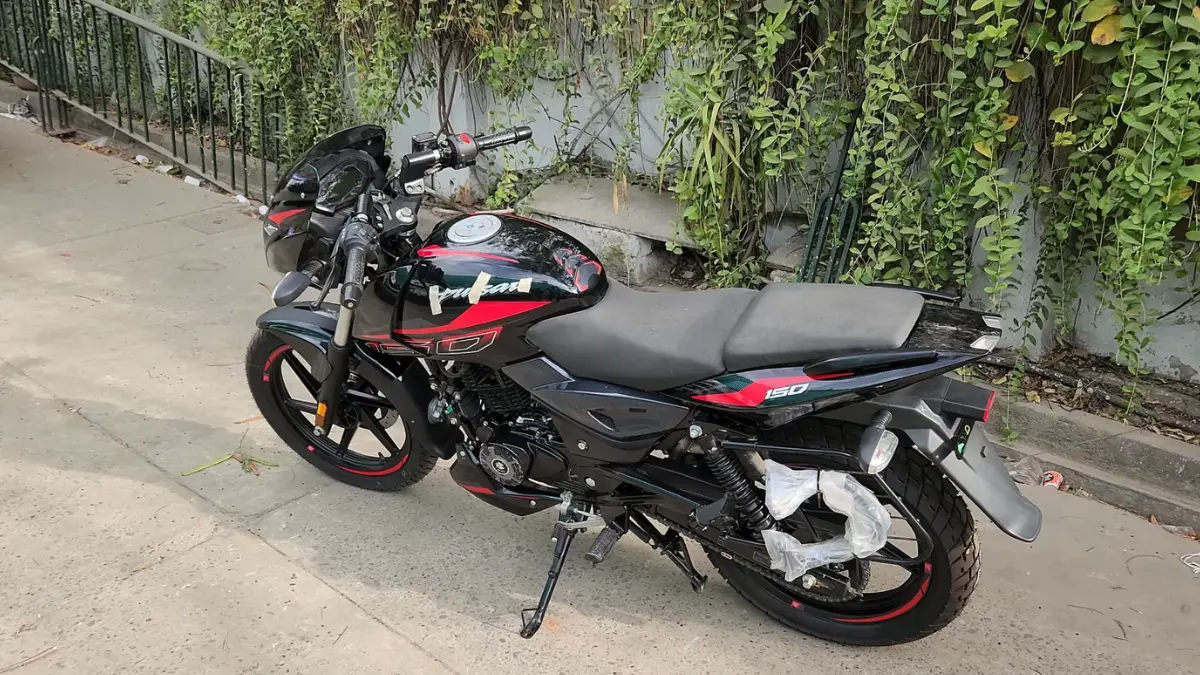
The recent surge in India’s motorcycle exports can be traced to one primary driver: strategic global expansion by key manufacturers. Industry leaders such as Bajaj Auto and TVS Motor have achieved enhanced penetration into international markets through an expanding and well-targeted export portfolio.
The Calendar year (CY) 2025 witnessed a robust performance for the industry, particularly for India-manufactured motorcycles. As The Times of India has reported, the standout story was on the global front, where exports achieved their highest-ever annual volume.
The numbers tell a compelling tale: Total motorcycle exports reached a fresh post-pandemic peak in 2025, impressively advancing to 4.3 million units, which marks a significant climbing of 27 per cent from 2024 shipments. Having tracked this data for years, this export surge is especially notable when you consider that domestic volumes remained beneath their previous highs during the same period, highlighting a strategic pivot towards international markets.
The Road to Record Numbers
To understand the scale of the 2025 achievement, we need to look back. During the pre-pandemic period (2017–2019), motorcycle exports followed a steady upward trajectory, advancing from 2.3 million units in 2017 to 3.1 million units in 2019. This represented the previous peak before Covid disrupted international trade in 2020, causing volumes to decline temporarily in that initial pandemic year.
However, the rebound was swift; the sector recovered greatly, with 2021 already exceeding pre-pandemic levels. Despite some fluctuation in the interim years, the growth has been undeniable. By 2025, exports ascended to 4.3 million units, now the highest figure on record. This represents an increase of nearly 40 per cent over the 2019 pre-pandemic peak, a remarkable recovery and expansion story from my vantage point following industry trends.
Also Read: India’s CNG Car Sales Cross 8 Lakh in FY2025; Maruti Suzuki Commands 70% Market Share
The Pillars of Success
So, what’s behind this impressive export surge? Industry experts point to foundational strengths. As Poonam Upadhyay, a director at Crisil Ratings, was quoted saying in a recent report, “A combination of India’s competitive manufacturing capabilities and a well-established global distribution network has enabled the country’s motorcycle exports to maintain strong growth momentum.” This insight resonates deeply; in my experience, this dual advantage of cost-effective production and reliable logistics is what makes the Indian industry a formidable global player.
Building on that foundation, the strategy has been equally important. Analysts identify enhanced penetration into international markets and an expanding export portfolio as being amongst the primary factors propelling this rise. The push by key manufacturers—particularly Bajaj Auto and TVS Motor—to tailor their offerings and enter new regions has been pivotal. This concerted effort is what has driven the significant growth in motorcycle exports from India.
The Global Footprint
The robust export performance was truly a global effort, fuelled by healthy demand from multiple emerging markets, as Upadhyay said. Latin America was a standout contributor, strongly led by Colombia and Brazil, while Africa remained a significant market, with Nigeria being a key destination.
A crucial factor, often overlooked, was the improved foreign currency availability in key markets such as Latin America and Africa, which also supported export growth. Besides, Asian markets, including Nepal and the Philippines, provided a further boost. Driving this global reach were two dominant players: In 2025, Bajaj Auto (at 43 per cent) and TVS Motor (29 per cent) collectively accounted for approximately 72 per cent of total motorcycle exports.
The Engine of Growth
The growth was powered by the titans of the industry. Bajaj’s motorcycle exports expanded from 1.6 million units in 2024 to 1.9 million units in 2025, a substantial jump, whilst TVS Motor’s shipments increased from 0.9 million units to 1.3 million units in the same period.
This collective, record-breaking export performance is about more than just numbers; it underscores India’s strengthening position as a global motorcycle manufacturing hub. It marks the industry’s successful pivot towards international markets, a strategic move made all the more significant as it unfolded amidst comparatively moderate domestic demand.
