


Based on my analysis of trade policies, a major shift is imminent. According to a recent Reuters report, India is finally set to sharply reduce its high import duties on cars from the European Union as a key part of the landmark trade pact currently being finalized between India and the European Union.
This could very well turn out to be a watershed moment for the Indian automotive industry. TCurrently, European vehicles entering India face steep import duties of 70% to 110%. This is set for a major reduction, first down to 40%, with a planned timeline to progressively lower these levies to around 10%.
Following years of intense negotiations, this landmark trade pact—described by some as the “mother of all deals”—is expected to be formally announced as early as this week between India and the 27-nation EU bloc.
Limited Quota, Phased Liberalisation
As per sources familiar with the ongoing talks, this reduced import duty won’t be a free-for-all; it will initially apply to a limited number of vehicles. This is estimated to be around 200,000 cars annually, all priced above Euro 15,000 (or around Rs 15.5 lakh). This careful quota-based approach is strategically aimed at preventing a sudden surge of imports while still giving European manufacturers significantly improved access to the vast Indian market.
Furthermore, over time, the import duty is expected to be reduced even further down to 10%. This phased plan is what makes it the most aggressive tariff liberalisation India has ever undertaken in the passenger vehicle segment.
EVs Excluded to Protect Domestic Investments
Crucially, there’s a notable exception in the deal: battery electric vehicles (EVs) will be excluded from these immediate duty cuts for the first five years. This specific move is clearly intended to protect the rapidly growing domestic EV ecosystem, particularly the substantial investments already made by leading Indian manufacturers like Tata Motors and Mahindra. After this initial five-year protection period, these EVs are expected to follow a similar gradual tariff-reduction trajectory as conventional cars.
Major Boost for European Automakers
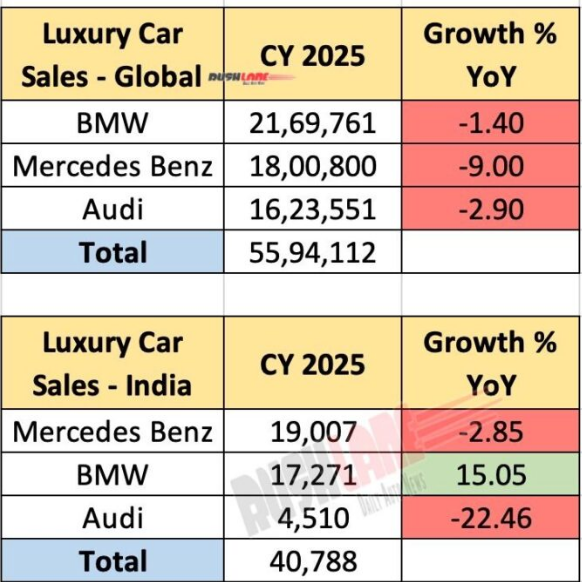
The proposed tariff changes are expected to significantly benefit major European carmakers including Volkswagen, Mercedes-Benz, BMW, Renault, and Stellantis. Many of these brands already manufacture vehicles locally, but have long argued that high import duties severely limited their ability to bring in more premium and niche models to India.
With these lower tariffs, manufacturers will finally be able to price their imported models more competitively. This will allow them to expand their portfolios and strategically test market demand for new vehicles before committing to much deeper localisation and making fresh investments in local production.
Also Read: Inside Royal Enfield’s Upcoming ICE and EV Launches
Strategic Shift for India’s Auto Sector
Despite being the world’s third-largest car market, selling around 4.4 million vehicles annually, India currently remains one of the most protected automotive markets globally. This status quo means Imported cars face some of the highest duties in the world, a policy that has been frequently and loudly criticised by top global auto executives, most notably including Tesla CEO Elon Musk.
Looking ahead, with the Indian car market projected to grow to 6 million units annually by 2030, the government’s move signals a cautious but deliberate measured shift towards controlled liberalisation. While the market opens up to greater global competition, built-in safeguards like import quotas and EV exclusions are designed to ensure that domestic manufacturers are not immediately exposed to disruptive shocks, allowing them time to adapt.
Trade-offs Beyond Automobiles
For India, the lowering of car tariffs isn’t just about cars; it’s a calculated strategic concession aimed at securing much broader trade benefits in return. The larger EU trade deal is expected to significantly improve access for key Indian exports like textiles and jewellery—important sectors that have been negatively impacted by higher tariffs in other global markets.
What It Means for Buyers
If finalised and implemented as outlined, this agreement could eventually lead to significantly lower prices for imported European cars, particularly in the premium and luxury segments from brands like Mercedes Benz, Audi, BMW, Jaguar Land Rover, and Volvo.
While mass-market vehicles may remain largely unaffected in the short term, the overall long-term impact has the potential to reshape India’s entire automotive landscape by drastically increasing consumer choice, competition, and technology inflow. Ultimately, this would mark a true historic turning point—opening India’s car market wider than ever before while carefully balancing domestic growth, protection, and long-term competitiveness.
