


The journey of the Hyundai Creta began with its launch in July 2015. From its start in India, this SUV from the Korean auto giant has become a phenomenon, with the company having sold over 12 lakh units by the end of 2025. These figures include the all-electric Hyundai Creta Electric, launched in early 2025.
Based on my industry observations, the Chennai production facility has been the cornerstone of this success, acting as the primary production hub. Now, the focus shifts forward. Hyundai is working on the next chapter: the third-gen Creta. This third generation model is poised for a global debut in 2027, marking a strategic new phase for this enduring nameplate.
Hyundai has kept the Creta competitive through timely changes. Following its initial launch, the first-gen model received a mid-cycle facelift in 2017. The current second-gen model, launched in February 2020, was given a comprehensive update in early 2024. These intermittent updates are a proven strategy. Now, focus shifts to the next-gen Hyundai Creta, expected to have its global debut in 2027.
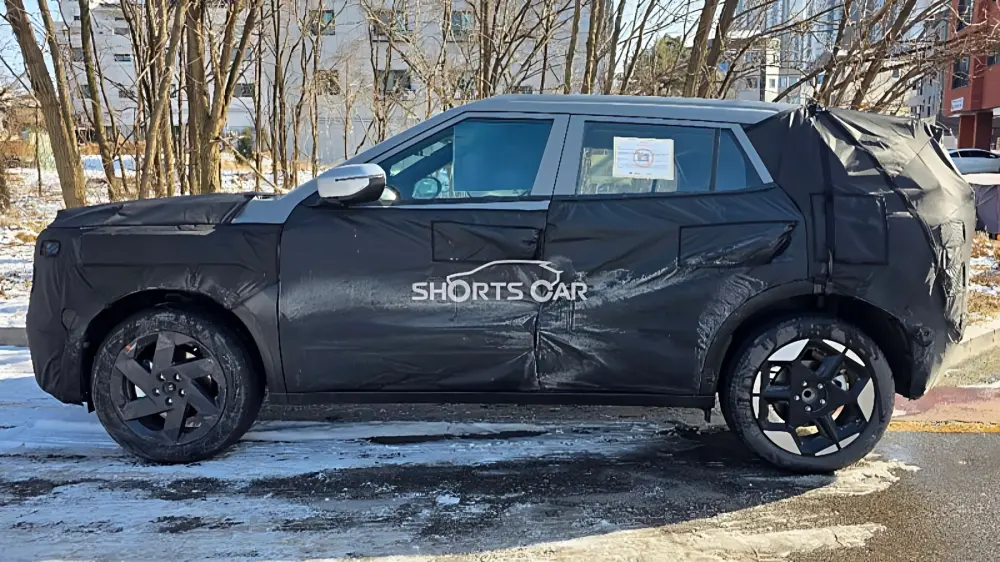
The development cycle has entered its most exciting phase, as the upcoming third-gen Hyundai Creta has finally been spotted for the first time. Recent spy images show a test mule of the next-gen Creta that was reportedly caught on camera somewhere in South Korea.
Having analyzed many camouflaged prototypes over the years, I can say that Despite being heavily wrapped in camouflage, the visible changes in design are very evident. The proportions and silhouette are indicating a significant departure in the SUV’s design philosophy, which has everyone talking.

Next-gen Hyundai: Expected Design Changes
The big technical story is that this third-gen Creta will most likely be based on a new K3 platform. This shared architect underpins the second-gen Kia Seltos. Hence, we can expect the new Creta to grow in its proportions, much like its Kia cousin did in its latest avatar. Those recent spy shots strongly suggest the vehicle is likely to grow in size, which is a logical step for a new generation. In my years of analyzing prototypes, it’s standard that these exact dimensions cannot be confirmed unless they are officially revealed by the company, but the visual hints are compelling.
For reference, just look at its cousin: the new-gen Kia Seltos is 95 mm longer and 30 mm wider than its predecessor. Moreover, it offers an 80 mm longer wheelbase. The overall design of the upcoming Creta looks significantly boxier and offers a more squared-up stance. The front fascia appears flat and upright, while the windscreen is highly raked. Along the profile, this athletic stance is further amplified, thanks to the fitment of new 18-inch alloy wheels.
Also Read: What’s New in the Honda Dio 125 X-Edition? TFT, Type-C
Moving to the rear, there are no clear details on full display yet. However, the camouflage itself suggests the presence of a very pronounced roof spoiler and a sharply sloping roofline on the new Creta. From what we can see, the tailgate looks much flatter and neatly houses that prominent roof spoiler, which promises a more aggressive look.
Next-gen Hyundai: Expected Powertrain
The next-gen Hyundai Creta is widely expected to receive the same familiar set of engines, a smart move for cost and reliability. This would include the 114 bhp 1.5-litre NA petrol, the 115 bhp 1.5-litre diesel, and the punchier 158 bhp 1.5-litre turbo-petrol. Gearbox options will include a 6-speed manual as standard across all engines. The naturally aspirated petrol unit will additionally be offering a CVT, the diesel gets an offering of a 6-speed torque converter automatic, and the turbo-petrol will be coming exclusively with a 7-speed DCT.
Looking ahead, the new architecture is the real story. Based on the K3 platform, the next-generation Creta is expected to support a strong hybrid powertrain in the future, likely using a 1.5-litre naturally aspirated petrol engine. This hybrid setup has already been confirmed for the new-generation Seltos, which is slated to receive it in 2027, paving a clear path for its Hyundai sibling.
