


Kia India started 2026 very well. In January 2026, they sold 27,603 units. This was 10.3% more than the 25,025 units they sold in January 2025. They also did much better than the previous month, December 2025, when they sold 18,659 units. This big jump of 47.9% shows a strong recovery after the slow end to 2025.
When you look at Kia India’s success, it’s not a lucky guess. Their recent January sales performance clearly reflects a deeper story of strategic wins. I’ve tracked how their balanced product portfolio, smartly split between popular SUV and MPV segments, creates continued traction. This isn’t about one hit wonder; it’s about sustained demand for their core models, supported by the growing acceptance of their newer offerings. By focusing across these areas, Kia has managed to maintain a steady growth momentum even in today’s fiercely competitive market environment, which is a real achievement.
The Star Performer: Seltos
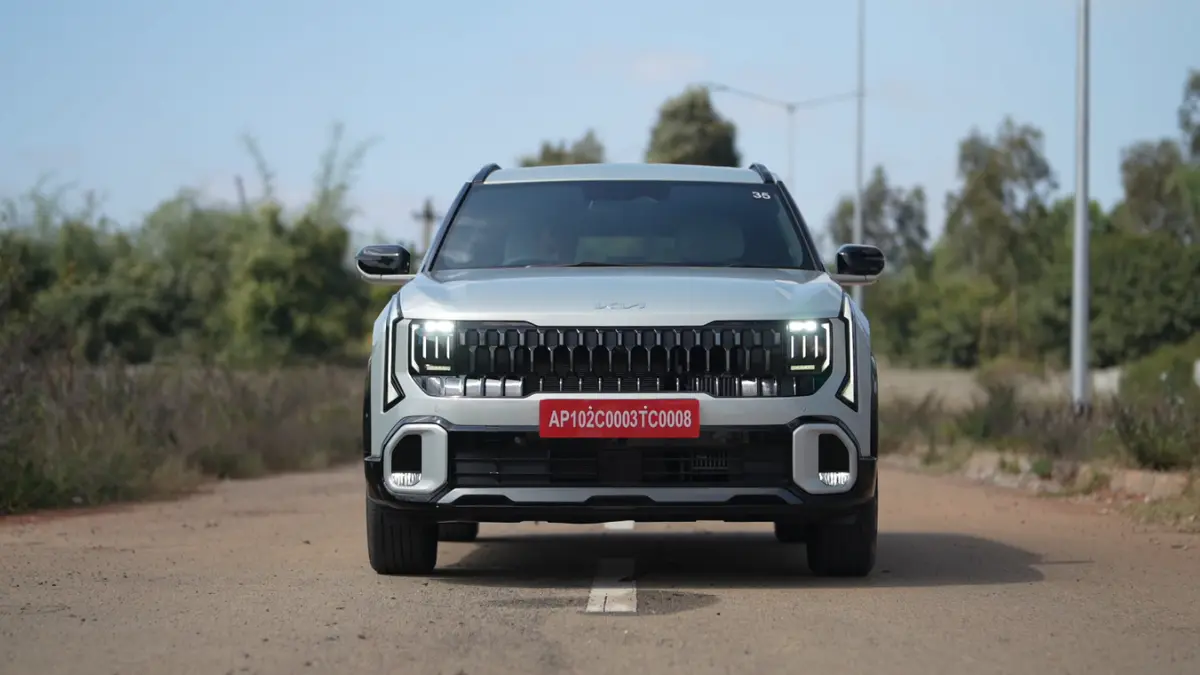
In my analysis of the mid-size SUV segment, one model consistently stands out as a volume driver. The new-generation Seltos was a key contributor to Kia’s impressive January 2026 sales performance. Since its launch, it has received an overwhelmingly encouraging response from buyers. This latest iteration skillfully builds on the car’s strong brand recall by offering fresh updated design, modern technology, and advanced safety features. Positioned as one of the most influential models in a fiercely competitive and crowded segment, the Seltos continues to play its crucial role in anchoring Kia’s domestic volumes, directly helping the brand stay ahead.
Also Read: Why the India-Made Kia Sorento Hybrid Could Redefine the Premium SUV Segment
Also Read: Kia Ends 2025 Strongly: December Sales Numbers of Sonet, Seltos & Carens
Alongside its bigger sibling, the Sonet has continued to quietly deliver consistent numbers, proving its worth in the compact SUV space. In my experience observing the high-volume compact SUV category, the Sonet remains one of Kia’s most dependable strongest volume drivers. Its success comes from a smart recipe: benefiting from wide powertrain choices and feature-rich variants that create strong appeal among both urban and semi-urban buyers. This sustained demand has fundamentally helped Kia retain a solid foothold in this critical market segment.
Strengthening the Family Portfolio
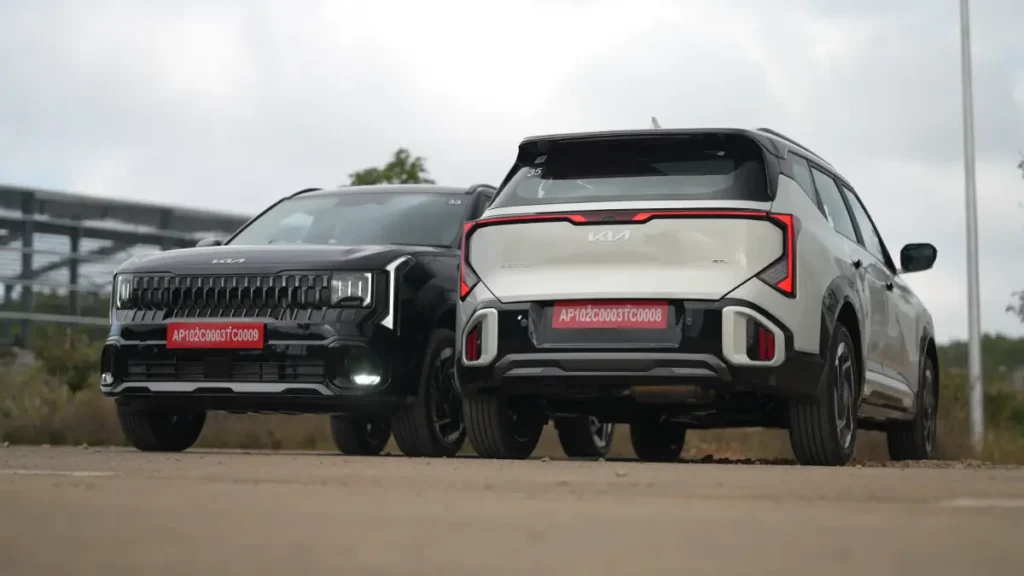
The real strength of Kia’s approach is its multi-vehicle strategy, which is being reinforced by rising customer interest in models like the Kia Carens Clavis and the Carens Clavis EV. This entire lineup has steadily strengthened Kia’s presence in the recreation vehicle (RV) segment. From what I’ve seen, their success isn’t just about having an electric option; it’s about offering genuine family-focused practicality through flexible seating layouts, which truly meets modern family needs.
The Clavis EV is a special part of this story. As Kia’s local made-in-India electric offering, it has begun gaining real traction. This is a clear sign, reflecting the increasing acceptance of electric mobility among Indian buyers. In my view, its success isn’t just about being electric; it’s about the smart emphasis on comfort, useful connected features, and everyday usability. This practical approach is effectively helping Kia expand its footprint in the growing EV space.
Also Read: One Month, 71,066 Cars: Inside Tata Motors’ Record-Breaking January
The Executive Perspective
Commenting on the company’s strong performance, Mr. Atul Sood, Senior Vice-President of Sales & Marketing at Kia India, said that the encouraging start to 2026 directly reflects the continued trust customers place in the Kia brand. He pointed out that the positive response to the new-generation Seltos, steady demand for the Sonet, and growing popularity of the Carens Clavis and Clavis EV collectively underline the strength and balance of their portfolio. This success, he noted, reinforces their focus on offering well-differentiated, future-ready products across all segments, while consistently enhancing the overall ownership experience.
A solid strategy needs a strong network to succeed. Kia India’s expanding retail and service footprint directly supports its growth ambitions. To put it in perspective, the brand currently operates a vast network of 841 touchpoints across 376 cities, including 122 Certified Pre-Owned outlets. From what I’ve observed in the industry, this extensive reach is key to ensuring wider accessibility and building stronger customer engagement, a critical factor for success across both established metros and high-potential emerging markets.
