


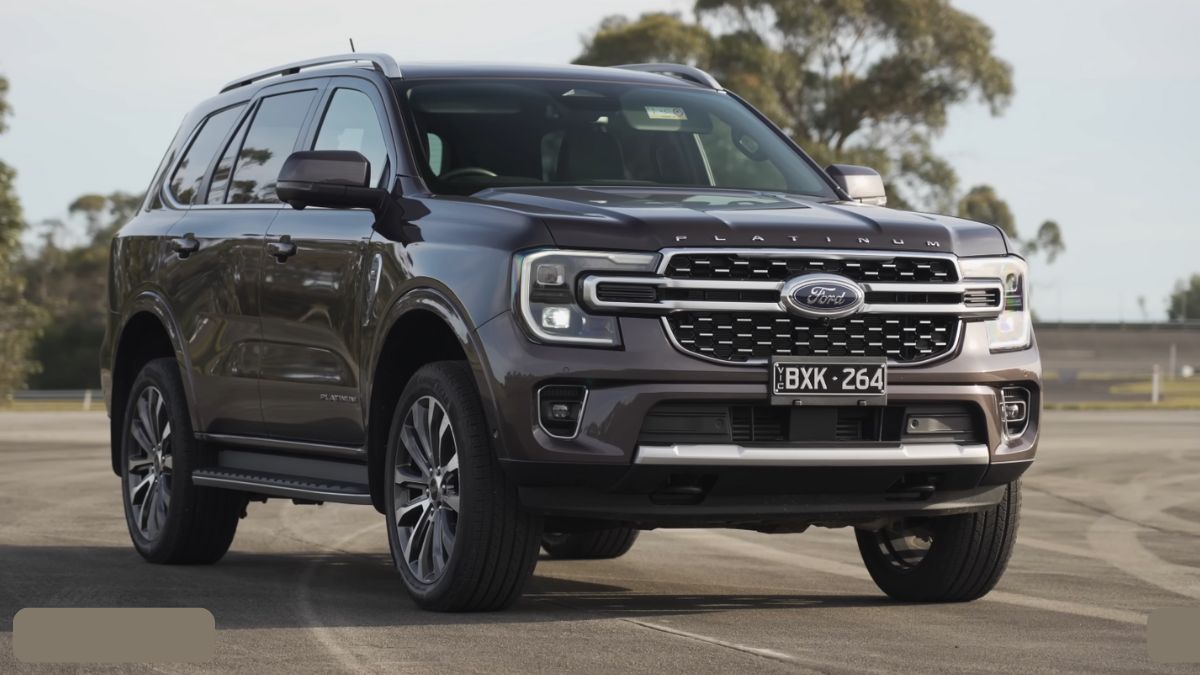
As someone who’s followed the auto industry for years, Ford’s journey in India has always been fascinating, marked by dramatic turns rather than a straightforward path. The American automaker’s 2021 announcement to halt local vehicle manufacturing was a major shift, ending production of popular models like the EcoSport, Endeavour, and Figo.
This decision, driven by mounting losses over years, officially brought the curtain down on its domestic sales and operations in the country. However, even then, Ford made it clear that India would continue to play a key role in its global plans. Now, this strategy is crystallizing with the planned restart of production at its Chennai manufacturing facility in Maraimalai Nagar, slated for June 2026. This move redefines its relationship with the market, transitioning from a full-fledged automaker to a strategic export and manufacturing hub, proving its long-term commitment to the region nearly a decade after its challenges began.
Manufacturing Revival and Export Focus
Looking at the landscape now, Ford’s strategy is finally taking concrete shape. As a Dearborn-based manufacturer, its decision to revive the Chennai facility at Maraimalai Nagar marks a pivotal shift. This isn’t a return to making cars for the local market; instead, the plant is being repurposed with production of next-gen engines for export markets scheduled to restart from June 2026. We can exclusively divulge that nameplates like the Everest (sold as the Endeavour in India) could be shipped from here down the line.
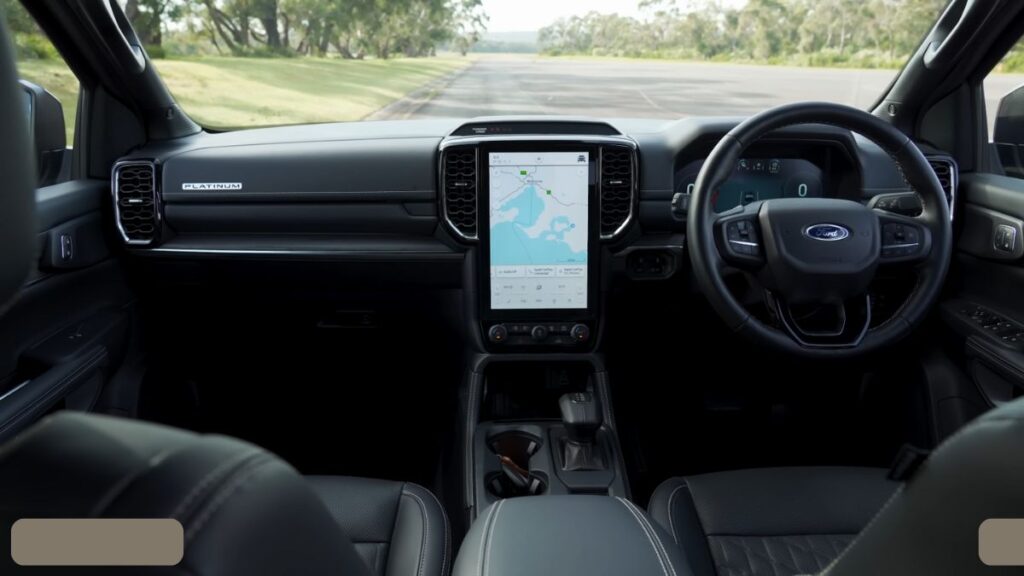
This significant move follows the Memorandum of Understanding signed with the Tamil Nadu government, coming about a year after Ford issued a Letter of Intent in September 2024. Having tracked their activities for years, it’s clear this revival is a calculated play. The move forward cleverly leverages their manufacturing footprint without directly involve[ing] the challenging game of locally sold vehicles, focusing instead on global supply chains. The manufacturing expertise located in India will now serve a broader purpose.
The New Chapter: Investment, Jobs, and Export-Led Revival
It’s noting that while Ford officially wound down its local operations and retail sales in 2021, the company has maintained a limited presence in India. The facility at Maraimalai Nagar has sat dormant since, but that’s changing. This revival isn’t just a restart; the site is being upgraded to support advanced powertrain manufacturing.
Also Read: The Maruti Suzuki Victoris Has a Rs 78,000 February Surprise
Once operational, the Chennai plant is slated for an annual production capacity of around 2.35 lakh engines. Specific technical details on displacement, fuel type, or electrification support haven’t been revealed yet, which leaves room for interesting speculation about their global manufacturing roadmap.
This ambitious pivot is backed by a substantial initial investment estimated at Rs. 3,250 crore. From what I’ve seen in the industry, such a capital infusion does more than restart a line; it’s expected to generate close to 600 new jobs, providing a significant boost to the local manufacturing ecosystem. This move smartly leverages the existing infrastructure for a new, export-focused chapter, turning a page from the past shutdown into a future of specialized production.
Leveraging India as a Global Manufacturing Hub
This move strongly reiterates the implication of India for the Ford brand as a significant export and engineering hub, a strategy already in motion. Following the sale of its Indian plants three years ago, the company continues to export critical components like powertrains from its Sanand facility in Gujarat, which it currently has leased from Tata Motors.
While a full return to car sales in the domestic market remains unlikely in the near term, the planned restart of production at the Chennai plant solidifies this specialized, behind-the-scenes role. In my analysis, this dual-presence approach—using both leased and owned facilities—showcases a pragmatic pivot, leveraging India’s manufacturing strength for global supply without re-entering the fiercely competitive local sales fray.
