


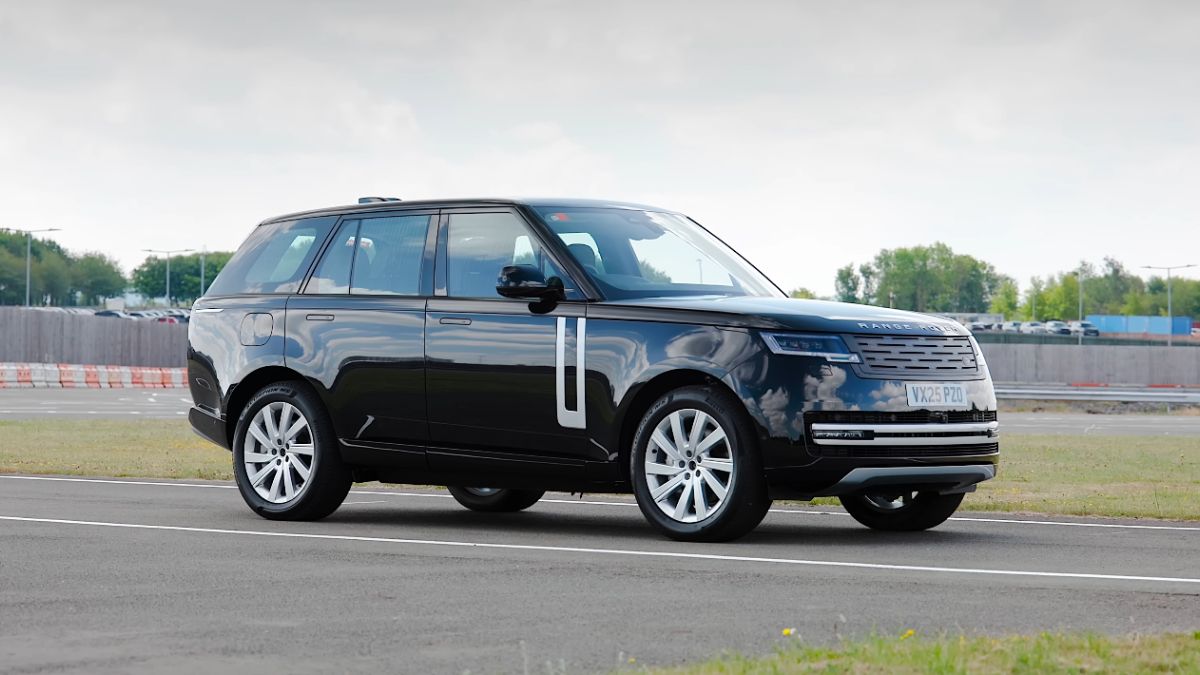
Based on my experience tracking automotive developments, Jaguar Land Rover is gearing up to unveil its new electric Range Rover in the near future, following a rigorous two-year test programme.
Accelerating the Electric Vision: Key Announcements and Developments
Based on what we heard directly from the Tata Motors third-quarter earnings call, the news is finally official: JLR has concrete plans to roll out its next wave of electric vehicles. The timeline is set, with key models slated for 2026. But the excitement starts much sooner this year, as Jaguar Land Rover will not only open bookings for the highly anticipated Electric Range Rover but also give us the official reveal of Jaguar’s bold new GT EV.
As someone who analyzes these announcements, it was notable that the parent company also took a moment to tease a fresh model on their upcoming EMA platform, signaling a broader electric strategy.
This first fully electric SUV from the iconic lineup is designed to lead the charge. From my own observations of the development cycle, it’s been under rigorous testing for nearly two years now. Industry watchers like myself have seen the prototypes spotted everywhere, tackling everything from brutal rough terrain to high-speed highways, proving this isn’t just a city car but a true successor to the Range Rover legacy.
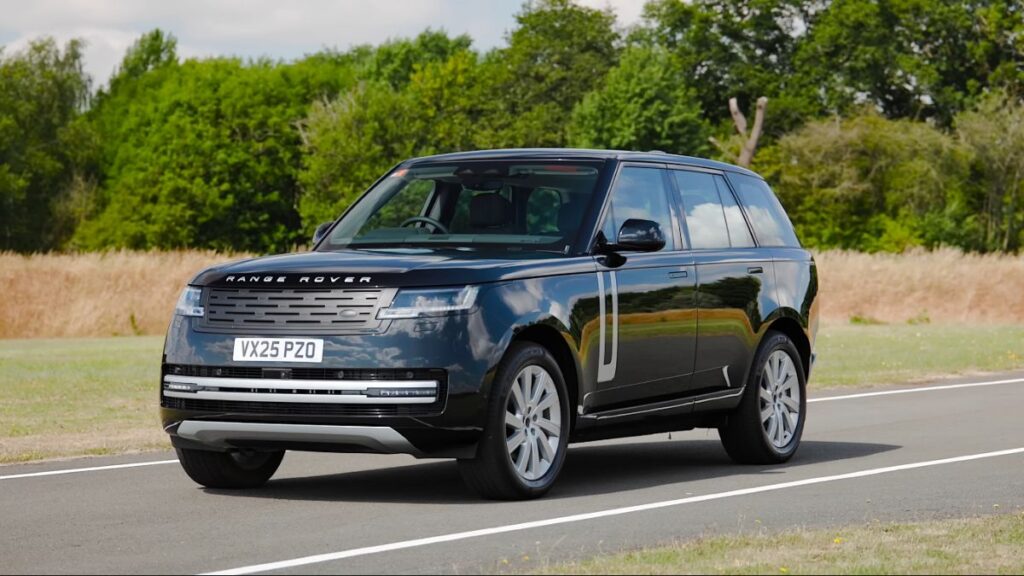
Technical Promise and Market Ambition: The Electric Range Rover’s Design and Global Target
Having watched the luxury SUV market evolve, the plans for the Electric Range Rover are particularly compelling. It will come with all-wheel drive as standard across variants, combining serious off-road prowess with zero emissions. With a claimed range of up to 600km on a single charge, it’s designed for real use.
Expectations are that this SUV will be available in both opulent four-seat luxury setups and more practical five-seaters, clearly catering to high-end buyers. Furthermore, India is a key priority market being actively targeted, a smart move where luxury SUVs already dominate sales for JLR.
Jaguar’s story is a fascinating contrast. The brand is decisively going all-in on electrification, boldly ditching its entire current petrol and diesel range for a clean-slate EV portfolio. At the front of this revolution is the new GT, which was first shown as a thinly veiled prototype. Its design echoes the classic XJ sedan’s sleek lines but injects a modern sense of drama, signaling a completely new chapter.
Also Read: Engineering the 2026 Jeep Compass: The Flex-Fuel 2.0 Turbo That Makes 272 HP
Performance Engineered: The EV Powertrain and Platform
Industry reports rightly point to a formidable powerful electric motor setup planned for the top trims. This engineering choice, combined with standard AWD, is projected to yield performance figures that may well rival contemporary hypercars. All of this will sit on JLR’s dedicated new EMA architecture, an underpinning designed from the ground up exclusively for next-generation electric powertrains.
A Strategic Manufacturing Milestone in India
In a parallel and crucial development, Tata Motors has revealed its decision to start producing Jaguar Land Rover (JLR) vehicles in India. The official opening of the company’s Panapakkam plant close to Chennai is scheduled for February 9, 2026. This announcement represents a crucial advancement for the brand and aligns perfectly with Tata Motors’ aim to enhance its luxury vehicle manufacturing capabilities locally. The facility, First announced in 2024, indicates a deep, long-term commitment to the market.
Scale, Investment, and Local Impact
This venture is associated with a massive investment of approximately Rs 9,000 crore. The plant has been engineered for a formidable annual production capacity of as many as 2.5 lakh vehicles. When it finally operates at full capacity, the project is anticipated to create over 5,000 jobs, marking a significant industrial and economic infusion for the region.
