


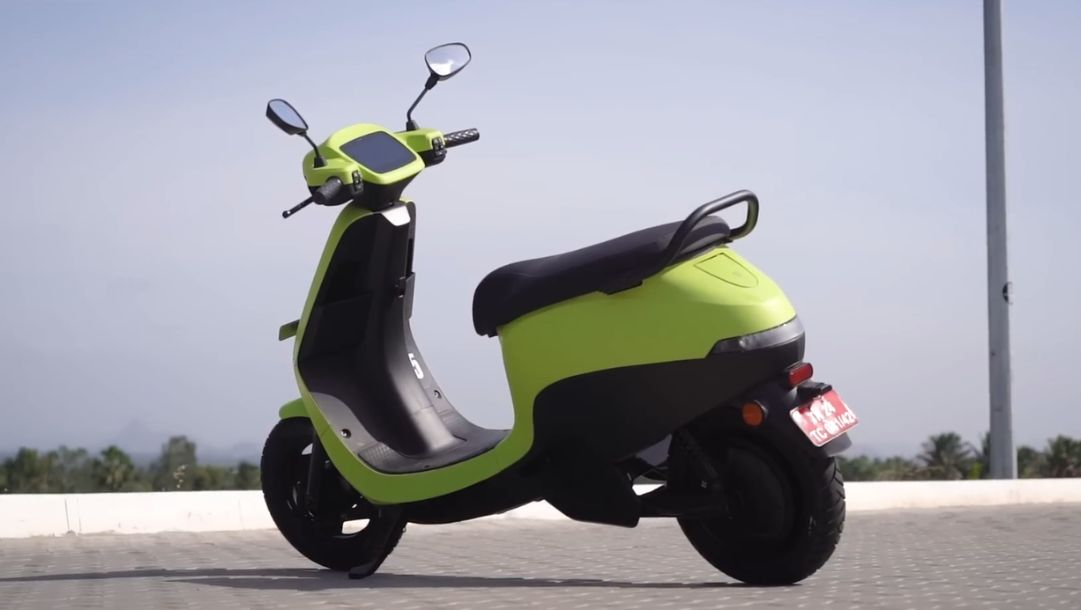
Working closely with the Ola Electric Mobility team over the past months, I’ve observed how the company has carefully begun a significant reset of its retail presence. The recent quarterly report revealed that Ola has affirmed narrowing its network to approximately 700 outlets, a deliberate change in focus toward operations reinforcement rather than the fast development of sales.
From my experience, this shift shows that the brand is prioritizing service quality while adjusting to the decelerated growth of EV adoption. It’s fascinating to see how operations are being improved, ensuring every outlet functions efficiently.
This move complements an earlier announcement to reduce the number of stores to approximately 550 by the end of March, part of a radical expansion strategy aimed at eventually reaching 4,000 stores countrywide. In practice, this careful balancing act between scaling and quality has made a noticeable difference on the ground. Observing this, it’s clear that the brand isn’t just expanding for visibility—it’s reinforcing the network for long-term growth, making EV adoption more reliable for customers everywhere.
Financial Pressure on Revenue and Deliveries
Looking at the financial numbers for the quarter ending December 2025, it’s clear that the company faced several challenges. Ola reported a net loss of Rs 487 crore, which is a slight improvement over the Rs 564 crore loss from the year earlier. Despite this, revenue and income from operations fell sharply by 55% year-on-year to Rs 470 crore, showing that even a strong brand can feel pressure when the market shifts.
Also Read: Ola S1 Electric Scooter 2026 – Cost, Performance, and Smart
Observing the deliveries, I noticed Ola shipped 32,680 electric scooters during the quarter, a steep fall of 60% compared with the period last year, highlighting that operational focus and business model adjustments are now crucial.
The market data further explains the pressure on Ola’s position in the segment. Government vehicle registration statistics show that the market share in electric two-wheeler sales slipped to 6.3% in January, down from nearly 26% year earlier. This decline underlines why the company wants to stabilise its business model before expanding again.
From my experience following Ola Electric, it’s evident that these numbers aren’t just statistics—they reflect real challenges in balancing growth, operations, and service quality while maintaining confidence in the electric vehicle market.
Also Read: Ola Gen 3 Scooters and Bikes Are Ready for Upgrades
Stock Trends and Investor Confidence
Watching the shares of Ola Electric recently, I noticed the company experienced a drop of approximately 3.5 percent at the National Stock Exchange of India during the last trading session, ending at Rs 26.5. Technical indicators, including the Relative Strength Index, suggest the stock is in a range less than 30, which is a common sign of an oversold market. Analysts point out that a short-term rebound could be possible, highlighting that the market is sensitive but not without opportunities.
Also Read: VinFast Limo Green 7-Seater MPV: Launch, Features, and Range
On the investor side, institutional investors have remained cautious despite the challenges in operations. Foreign portfolio investors have marginally increased holdings during the December quarter, and mutual funds have also raised their exposure, signaling confidence. This indication shows that long-term investors have not lost hope in the EV maker, even amid restructuring and changes in approach. From my perspective, this balance of caution and commitment reflects both market volatility and enduring faith in Ola Electric’s growth.
