



In Brazil, the 2022 facelifted Jeep Compass model made a significant move by introducing flex-fuel technology, and this strategy continues to be a key part of their lineup. Having followed the updates, I’ve seen how Jeep cleverly offers two distinct turbo engine variants to cater to different buyers. The Lower variants are powered by the 1.3-litre T270 unit, which has been a flex-fuel engine since it was first introduced.
For those seeking more power, the top-spec Blackhawk trim is where things get interesting. This version received an updated 2.0-litre turbo engine. Earlier, this particular format supported only gasoline, but the Brazil market has now received a new flex-fuel option for this potent 2.0-litre turbo engine. So, while the new flex-fuel 2.0-litre turbo engine is now offered, the earlier gasoline-only variants also continue to be on sale, giving customers plenty of choice.
Under the Hood: Power and Adaptability in the Blackhawk
My first drive in a Brazilian-market Jeep always reveals what the brand is about. For the 2026 Jeep Compass, the story is about smart adaptation without compromise. The heart of the Blackhawk trim is the potent award-winning Hurricane 2.0-litre turbo engine. To achieve crucial flex-fuel compatibility for markets like Brazil’s interior regions, the engineering teams at Stellantis carried out some serious work.
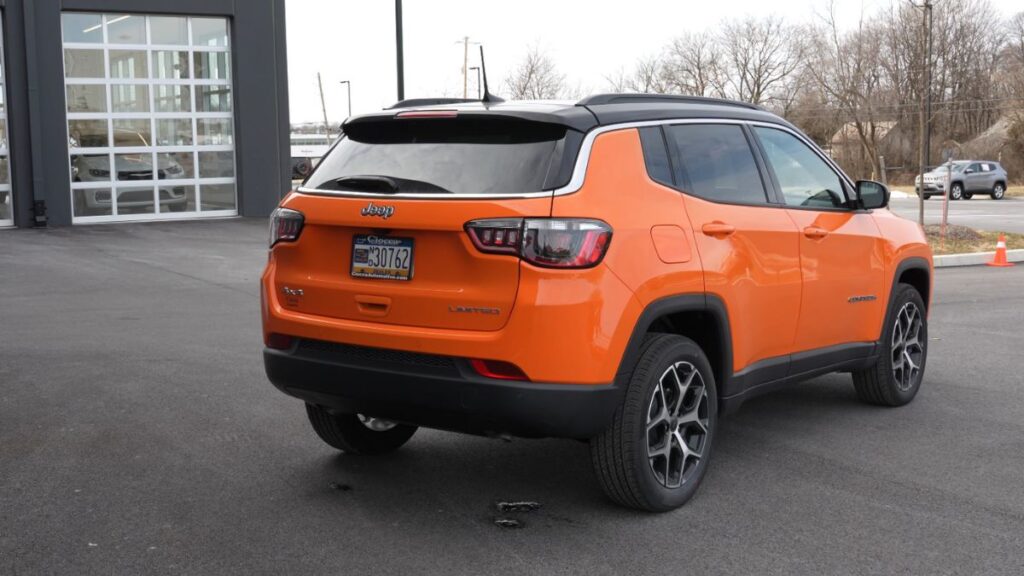
They have progressive experience with biofuels and decarbonization, which shows. The Changes introduced were significant; they included a completely new set of hardened fuel pumps, special spark plugs, and high-flow injectors. Modifications even extended to components like the intake system and the turbocharger itself, ensuring everything could handle different fuel blends.
The result? There’s absolutely no drop in performance. The Output is fully maintained at a stout 272 hp and 400 Nm of torque. On paper, this SUV can accelerate from 0 to 100 km/h in just 6.3 seconds. More importantly, it comes with a robust 4×4 traction system.
This 4×4 system ensures easy access across all types of challenging terrain, which is perfect for exploring off the beaten path. Aligning perfectly with Jeep’s core values of freedom and mobility, it ensures superior performance whether you’re on pavement or deep in the backcountry, proving that flex-fuel technology can enhance capability, not limit it.
Price and Package: No Compromise on Features
After the engine was mechanically updated for flex-fuel use, the work wasn’t over. Engineers then carried out the necessary and meticulous calibration of this new engine and its gear shifting. I can tell you from experience that this stage is crucial; the goal is to ensure the powertrain doesn’t just work, but delivers a unique and distinctive driving experience for users. This whole process truly helped ensure the motor would retain its signature performance and long-term robustness on any fuel blend.
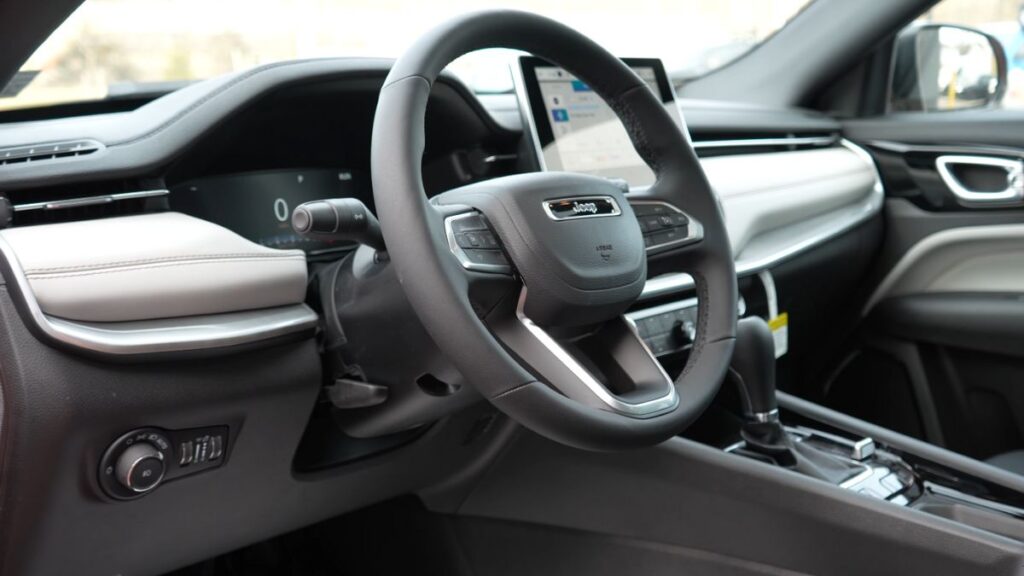
Looking at the whole package, the Jeep Compass with the 2.0-litre turbo flex-fuel engine is offered at a starting price of R$ 274,290 (about Rs 47.64 lakh), which is the same price as the earlier, gasoline-only version. Apart from the powertrain, there are no other major changes to the Compass Blackhawk trim. This top-spec trim still offers a comprehensive range of premium features.
The Equipment list includes striking 19-inch alloy wheels, auto fold ORVMs, electrically adjustable front seats for both driver and passenger, integrated Alexa, and a panoramic sunroof. The Safety kit is equally strong, including 7 airbags, puncture-proof tyres, a tyre pressure monitoring system, traction control, hill start assist, and electronic stability control (ESC). Rounding it out is a comprehensive range of Level 2 ADAS features, all available to make the Jeep Compass Blackhawk Flex a very capable and secure choice.
Also Read: BREAKING: 2026 Jeep Meridian Launched in India from ₹30.01 Lakh
Also Read: The Exact Mahindra XUV 7XO Delivery Timeline for Every Model
Market Domination and Strategic Fuel Play
In the competitive Brazilian market, where Flex-fuel is strongly preferred, the new 2.0-litre turbo flex-fuel engine is a masterstroke for the Jeep Compass. Having covered this segment for years, I’ve seen how buying decisions often hinge on fuel economics. Ethanol-blended fuel is usually cheaper than gasoline here, as the country gets much of its ethanol from its own vast sugarcane plantations.
This works out cheaper compared to costly oil imports. So, even if mileage is a bit on the lower side, drivers can still make decent savings by using pure ethanol or higher ethanol blends. With this engine now available, the top-spec trim is even better suited to local needs, which should help the Compass register higher sales in the coming months.
Moreover, Jeep is playing it smart; the familiar gasoline version will continue to be on sale alongside the new flex-fuel model for now. This is a strong position from which to grow, as the Jeep Compass is already the best selling mid-size SUV in Brazil.
It has held that top position for nine consecutive years and commands a Current market share in this segment of over 20%. In its home market, the Jeep Compass directly takes on rivals like the Toyota Corolla Cross and the Volkswagen Taos. Adding this highly relevant powertrain option ensures its reign is far from over.
