


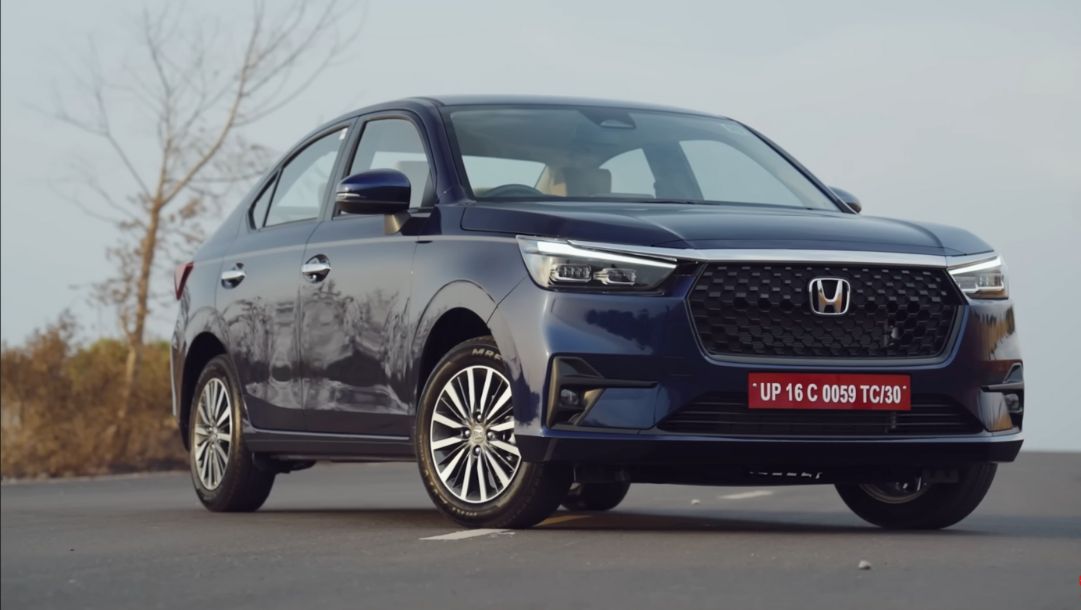
In February 2026, Honda found itself in a tough spot, reporting a massive 30 percent decline in total vehicle sales. The carmaker sold an aggregate of 7,212 units during the month, a stark and worrying contrast to the 10,323 units dispatched in the exact same month last year. From my experience analyzing auto industry trends, such a sharp overall drop immediately raises concern, but numbers alone rarely tell the full story. A deeper look at the sales data reveals that the situation was not necessarily caused by local buyers suddenly rejecting the brand.
Instead, the slowdown was triggered by a significant collapse in export operations. The company has historically relied heavily on sending cars overseas to keep its production lines busy, and this specific strategy took a major hit. When exports slow down, factories feel the pressure first, and that ripple effect can quickly influence overall performance.
Exports in Sharp Decline
The main issue Honda is facing right now is its international operations. The company managed to export only 1,583 units in February 2026, which represents a steep 66 percent decline compared to the 4,707 vehicles shipped to other countries during February 2025. This massive drop essentially wiped any chance the carmaker had of posting positive overall growth for the month. From what I’ve observed in the auto sector over a long time, export numbers often decide whether a global player shows strength or strain.
For years, exporting mass market models like the Honda City sedan and Honda Amaze acted as a reliable safety net for the brand. It helped the manufacturer maintain economies of scale, even when local retail demand softened. Without that strong export cushion, the brand’s monthly performance looks incredibly weak, and the pressure on operations becomes hard to ignore.
| Category | Month / Year | Units Sold | Change |
|---|---|---|---|
| Total Vehicle Sales | February 2026 | 7,212 | -30% YoY |
| Exports | February 2026 | 1,583 | -66% YoY |
| Domestic Sales | February 2026 | 5,629 | +0.2% YoY |
| Domestic Sales | January 2026 | 6,193 | -9% MoM |
Local Market Under Pressure
The export numbers may have fell off a cliff, but the real story is how domestic retail performance stayed practically flat. In the local market, Honda sold 5,629 units in February 2026, which is barely an improvement over 5,616 units in February 2025. That microscopic 0.2 percent year on year growth shows the brand is struggling to attract new buyers into its showrooms. From my time tracking auto retail patterns, such slow movement usually signals deeper hesitation among customers.
Also Read: 2026 Honda ZR-V Hybrid Facelift in India: Complete Guide With Images
What makes it worse is that the month on month figures highlight a clear downward trend. Sales dropped roughly 9 percent when directly compared to 6,193 units in January 2026. The company is mostly staying afloat because of the consistent performance of its cheapest product. The Honda Amaze continues as the primary volume driver, attracting practical buyers looking for a safe, reliable, family car.
Meanwhile, the Honda City sedan and Honda Elevate SUV are bringing steady but unspectacular numbers, unable to steal significant market share from aggressive competitors in their respective segments.
Shifting Focus to Premium Models
With core mass market volumes shrinking, Honda is preparing to change its product strategy over the next few years. The brand has shared big plans to launch as many as 10 new models by the end of 2030. Beginning in 2026, the company will concentrate a lot on bringing back its position in the premium car market. Several upcoming models will be brought in as completely built units, which naturally means they will carry a much higher price tag and generate lower sales volumes compared to mass-market offerings.
Also Read: Get Ready: Honda Is Launching 4 New Cars in India This Year
The first of these new premium models is likely to be the Honda Prelude, which is set to launch in the first half of 2026. This launch will likely be followed by the Honda ZR-V, a hybrid, later in the year. Honda is introducing these costly hybrid models to work on restoring its reputation as a brand that people look up to.
However, these flagship models are highly unlikely to bring the sheer numbers needed to offset the 30 percent decline in total sales. Until the company introduces more accessible, high-volume cars, its monthly figures are expected to remain under severe pressure, making the transition to premium a delicate balancing act.
