


From my experience following the automotive market in India, Hyundai is making a big move in the mass segment, aiming to introduce localised, compact, electric SUVs that appeal to both city drivers and EV enthusiasts. The company’s flagship ambitions for 2026 are already shaping up, as they target the affordable EV space where rivals like Tata Punch EV, Mahindra XUV 3XO EV, Citroen eC3, and MG Comet EV are also active.
This year, Hyundai plans to introduce these new hybrid offerings alongside fully electric models, giving buyers a host of options that actually meet real-world needs. Well before the full launch, the larger vision of the company is clear: come into the market with vehicles that materialise their promise of localised design, compact efficiency, and electric innovation. It’s exciting to see how these next SUVs could redefine accessible EV ownership in India.
Exploring Hyundai’s Mid-Term SUV Plans
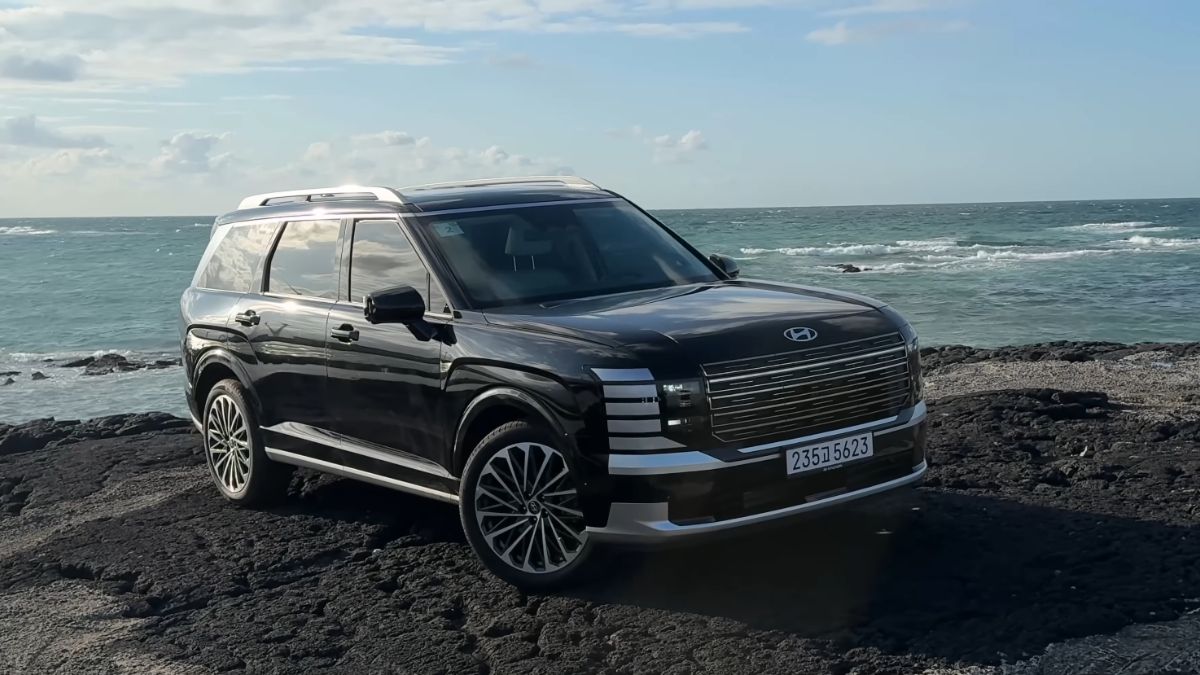
From following the automotive scene in India, it’s clear that Hyundai’s mid-term plan focuses heavily on hybrids and EVs, with multiple SUVs equipped with petrol-electric systems set to join the portfolio in the next few years. At the premium end of the spectrum, the company is studying the feasibility of launching the globally available Palisade, a three-row SUV that could redefine high-end electric and hybrid driving in the country. The key aspect of this strategy is balancing frugality with feature-rich, expensive options that appeal to discerning buyers.
The Palisade Hybrid combines a 2.5-litre, turbocharged, petrol engine with electric assistance for better efficiency, and while official confirmation has not been issued, the evaluation suggests it could arrive toward 2028 as the most sophisticated Hyundai SUV in India. From my perspective, this move reflects a careful approach where Hyundai is aligning global availability with local market needs, ensuring improved performance and systems that meet modern expectations. The launching of these next SUVs highlights the company’s commitment to innovation while keeping the portfolio diverse and competitive.
Also Read: March 2026 Honda Discount Alert: City, Amaze, Elevate Offers
Hyundai’s Upcoming SUV Lineup
The Hyundai Creta, known internally as SX3, represents the next generation and remains the biggest volume driver for the company. Built on a new platform, the fourth-gen Creta focuses on design and interior improvements while keeping petrol, turbo, and diesel engines in the mix. A hybrid system has been added as a standout addition, which may also find its way into the Ni1i, highlighting Hyundai’s strategy to develop internally and bring notable enhancements to the market. From my observation, this approach balances premium positioning with high volume segments.
Closer to the heart of the market, Hyundai is engineering the all-new three-row midsize SUV Ni1i, which will slot between the Alcazar and the erstwhile Tucson. With a roomier cabin and premium positioning, the 1.5-litre petrol/hybrid engine is expected to debut around 2027. The engineering reflects Hyundai’s focus on use, internally studied solutions, and catering to premium buyers who desire comfort and innovation in three-row SUVs.
Also Read: Ultraviolette X-47 with Battery Flex: Revolutionizing Electric Motorcycle Ownership
Meanwhile, Hyundai is also addressing compact, zero-emission vehicles with hybrids, which bridge the transition from conventional engines. Select premium imports like the Bayon SUV and updated Verna are expected near the future, improving brand perception in a particular space. This strategy not only brings high volume segments under Hyundai’s portfolio but also demonstrates their commitment to address evolving market demands while looking at hybrid and electric possibilities.
