


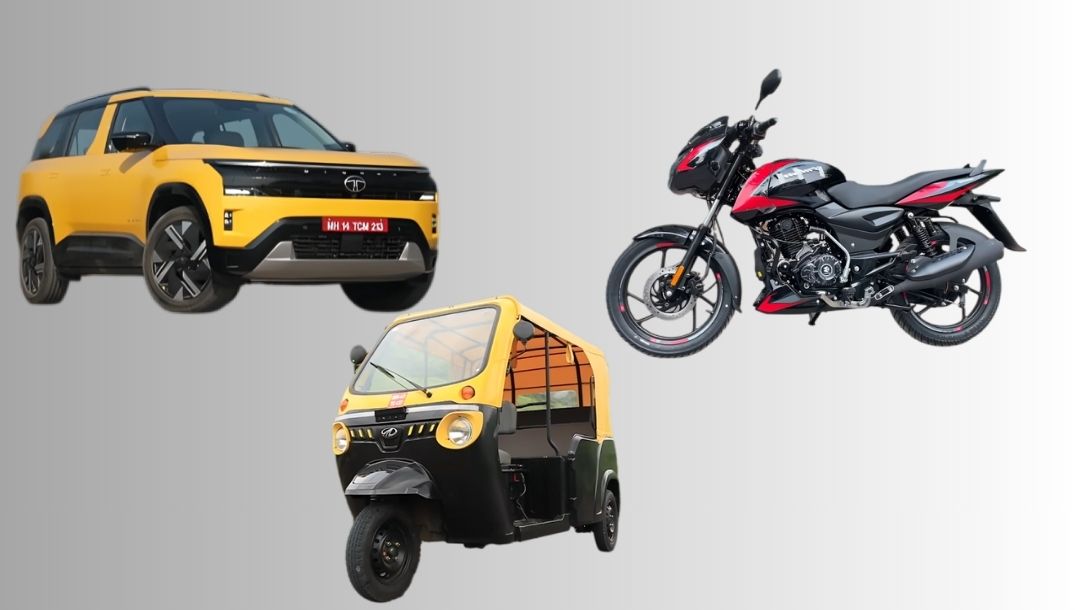
Based on my years of watching market trends, I can tell you India’s automobile retail market kicked off the calendar year 2026 on a strong footing. The latest data released by the Federation of Automobile Dealers Associations (FADA) confirms this, showing total vehicle retail sales stood at a robust 27,22,558 units in January 2026. This marking a impressive year-on-year (YoY) growth of 17.61 percent.
What’s driving this? We’re seeing broad-based growth across most segments, with vehicle retail volumes posting gains nearly everywhere. A key highlight, in my observation, was the growth in two-wheeler sales, which was anchored largely due to heightened festival footfalls during celebrations like Pongal and Makar Sankranti in rural areas.
What Drove the Strong January Performance?
Analyzing January’s performance, the market’s strength was clearly underpinned by resilient rural demand. This was supported by strong rural cash flows from the harvest season and wedding-related purchases, which directly boosted Sales in segments like two-wheeler, three-wheeler, and tractor. These segments recorded impressive YoY growths of 20.82 percent, 18.80 percent, and 228.89 percent, respectively. This growth reflected a healthy demand environment post-GST adjustments, with improving affordability fueling sustained momentum across mobility and freight-linked categories.
On the ground, Dealer feedback indicated improved enquiry levels and faster digital follow-ups, alongside a visible shift towards higher-value products. While some categories faced selective supply constraints and competitive discounting pressures, the overall retail sentiment remained positive. The environment balances these pressures with solid demand, keeping the momentum going.
Auto Retail Performance Summary – January 2026
| Segment | Retail Sales (Units) | Year-on-Year (YoY) Growth |
|---|---|---|
| Total Vehicle Retail | 27,22,558 | +17.61% |
| Two-Wheelers (2W) | 18,52,870 | +20.82% |
| Passenger Vehicles (PV) | 5,13,475 | +7.22% |
| Commercial Vehicles (CV) | 1,07,486 | +15.07% |
| Three-Wheelers (3W) | 1,27,134 | +18.80% |
| Tractors | 1,14,759 | +22.89% |
| Construction Equipment | Data not specified | -21.09% |
Two-Wheelers: The Unmistakable Engine of January’s Growth
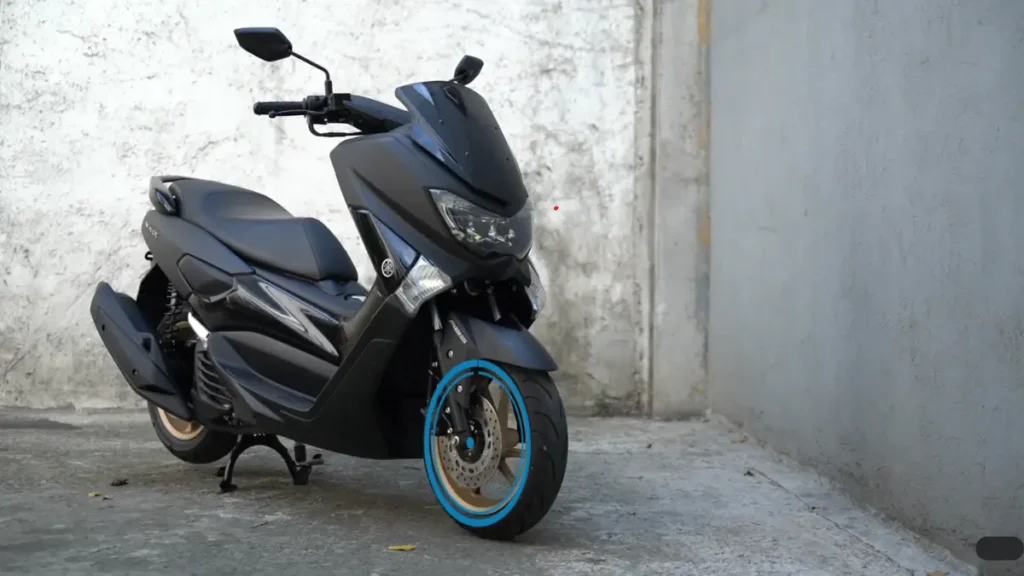
Two-wheelers emerged as the undisputed driver of January’s retail volumes, with sales hitting 18,52,870 units—translating into a solid 20.82 percent YoY increase. From what I’ve seen visiting showrooms, the demand was firmly anchored by Rural markets, which still accounted for around 56 percent of volumes. This was supported by festival footfalls for Pongal and Makar Sankranti, along with improved affordability making purchases easier.
Notably, a very encouraging sign was the clear revival in urban markets. For the first time in a while, urban two-wheeler sales were growing faster than rural volumes. This really points to a broader demand normalisation beyond just festive-led buying and reflects a gradual recovery in everyday commuting and discretionary purchases. Dealers I spoke to highlighted an increasing customer preference for mid-powered motorcycles and higher-value models. However, they also cautioned that model-wise supply tightness remained a constraint in some pockets, which is something to watch.
Passenger Vehicles: Steady Growth Fueled by Rural Demand and Healthy Inventory
Based on my analysis of the latest figures, the Passenger vehicle (PV) retail picture for January is quite telling. Sales stood at 5,13,475 units, registering a steady 7.22 percent YoY growth. While the segment remained predominantly urban-led, with nearly 59 percent of volumes coming from cities, the real story is in the shifting growth momentum.

It’s being increasingly driven by non-metro and rural markets. In fact, Rural PV sales grew by over 14 percent YoY, significantly outperforming the urban growth. This isn’t just a blip; it’s underscoring a genuine structural expansion of PV demand beyond the top-tier cities.
Digging deeper into what’s selling, SUVs and compact SUVs continued to dominate customer preference. This is aided by improved product availability, a noticeable revival of entry-level models, and attractive ongoing promotional schemes. But here’s a crucial piece of good news from the backend: Importantly, inventory levels have softened to a much healthier range of 32–34 days.
In my years observing dealer health, this is a key metric. It’s indicating improved channel discipline and better working capital efficiency across dealerships, which means less pressure on dealers and a more sustainable market.
Commercial Vehicles: Broad-Based Recovery Fuelled by Freight and Infrastructure
The Commercial vehicle sector also posted a robust performance, with retail sales that rose to 1,07,486 units in January, reflecting a solid 15.07 percent YoY growth. From talking to fleet owners, this recovery is being driven by several practical factors: an improving freight sentiment, necessary replacement-led buying from aging fleets, and steady infrastructure activity that keeps wheels turning.
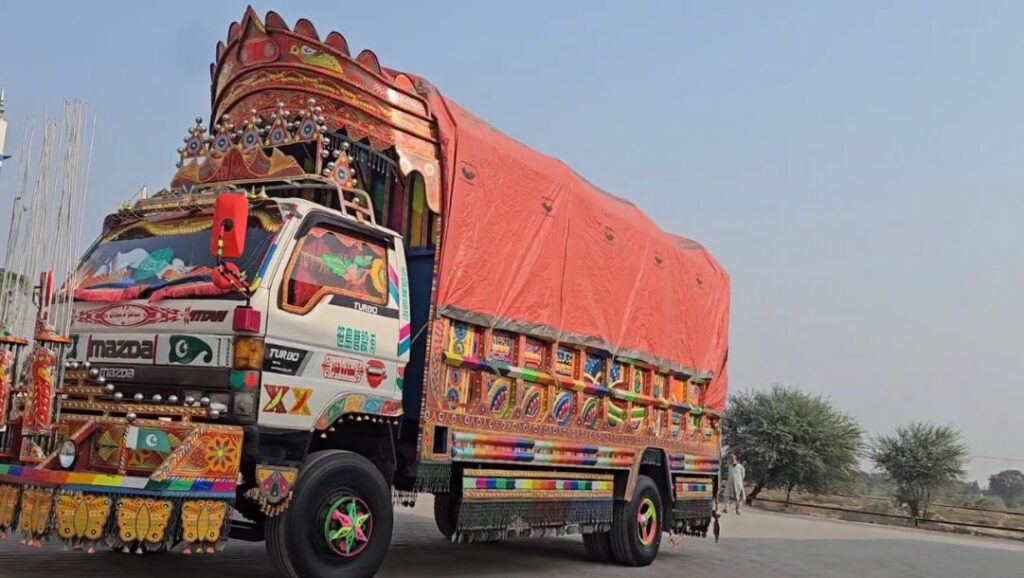
What’s particularly encouraging is how broad-based this Growth is. It’s balanced across all tonnage categories, with both light and heavy commercial vehicles recording double-digit gains. Geographically, the demand participation is visible across both rural and urban regions, truly highlighting that logistics-led growth is no longer limited to major metros. The Dealer feedback I’ve gathered consistently pointed to a renewed confidence among single-owner operators, with steady goods movement actively supporting volumes. It feels like a foundational upswing, not just a temporary spike.

Tractors and Three-Wheelers: Pillars of Rural and Urban Mobility
The other major story comes from the farm and city streets. Tractor sales posted a strong 22.89 percent YoY growth at 1,14,759 units, clearly reflecting healthy farm incomes and continued rural liquidity. This demand was supported by Seasonal factors coupled with positive expectations of a stable agricultural output for the month. Meanwhile, Three-wheeler retail volumes stood at 1,27,134 units, growing 18.80 percent YoY. What I find most significant is that this segment continued to see high penetration of electric powertrains, particularly in both passenger and goods applications. This is powerfully reinforcing a permanent shift towards cost-efficient last-mile mobility solutions across the country.
Also Read: 2026 KTM 200 Duke First Look: It’s Sharper, Lighter, and Ready
Construction Equipment: A Temporary Pause in a Constructive Market
Not every segment shared in the broad growth. Construction equipment remained the only major segment feeling real pressure, with its retail performance declining 21.09 percent YoY. FADA attributed this decline largely to a high base effect from last year and some segment-specific recalibration, which makes sense even despite the ongoing infrastructure activity in the country. The positive takeaway from speaking with Dealers is that a demand normalisation seems to be underway, and the medium-term fundamentals for this sector remain intact.
Did You Know That: Honda February Offers 2026: Your Guide to Discounts
Looking ahead, the overall dealer sentiment remains overwhelmingly constructive. For February 2026, over 70 percent of dealers expect growth, a confidence supported by the recent growth-oriented Union Budget with its clear infrastructure and agriculture focus, along with stable interest rates and continued wedding-season demand. Peering further out, Over the next three months, nearly 80 percent of dealers anticipate growth, strongly suggesting sustained momentum across segments. This optimism is led by enduring rural demand, improving affordability, and a steady booking pipeline that dealers are managing.
