


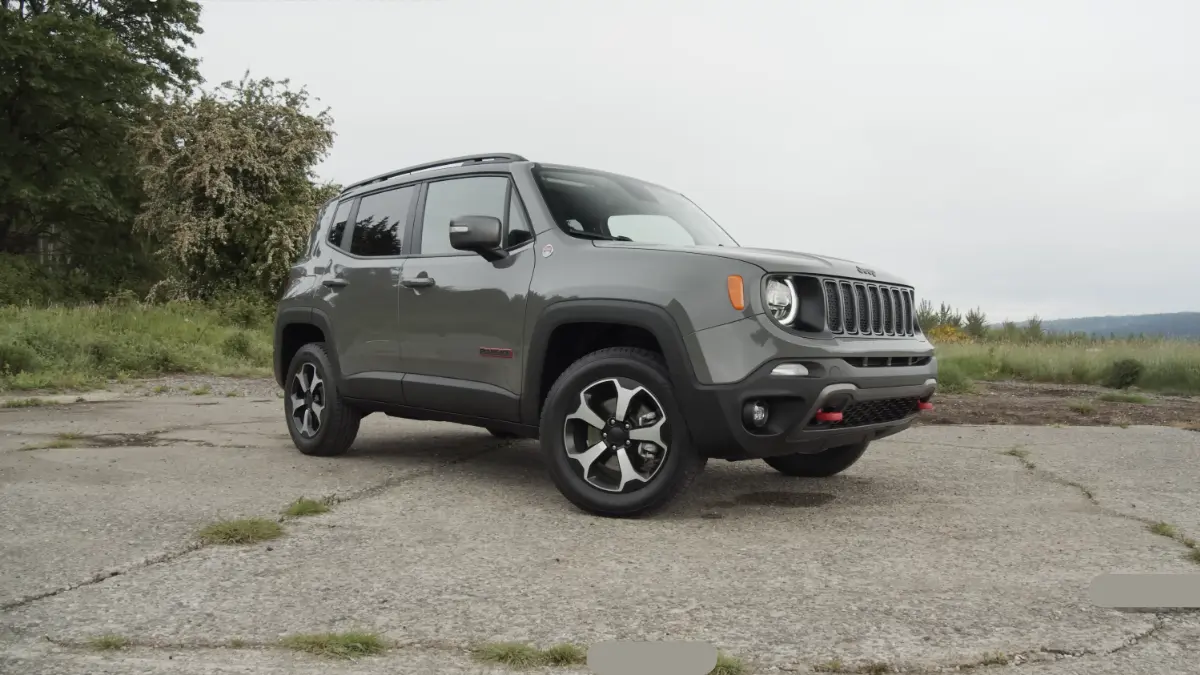
Jeep has a new plan to do better in India. It’s a complete plan with many parts. The main goal is to strengthen its presence in the important Indian market. Their strategy is multi-pronged. First, they will keep launching new vehicles, like an SUV. Second, they have big plans to develop their factory here into a manufacturing hub. This factory will make cars for right-hand-drive export markets.
The new India-EU trade deal opens up great opportunities for this, which Jeep wants to explore. For Indian customers, this reenergized focus means more choices, like special editions, and work on enhancing the ownership experience. These are the key details of their fresh start.
Jeep’s Upcoming India Reveal
While we’re still waiting for an official confirmation on an India launch, the buzz is very specific. Looking at Jeep’s global roadmap revealed in their 2024 investor day presentation, there’s a strong case to be made. The brand is clearly working on the next-generation of one of its key models, the Jeep Renegade.
This new-gen vehicle is a central part of their ‘Strategic Plan Jeep 2.0’ initiative. From my analysis of the global market, this new SUV could slot in as a subcompact to compact offering, which would be perfect for India. So, while we explore the possibilities, the next Renegade seems the most logical and exciting fit for the market here.
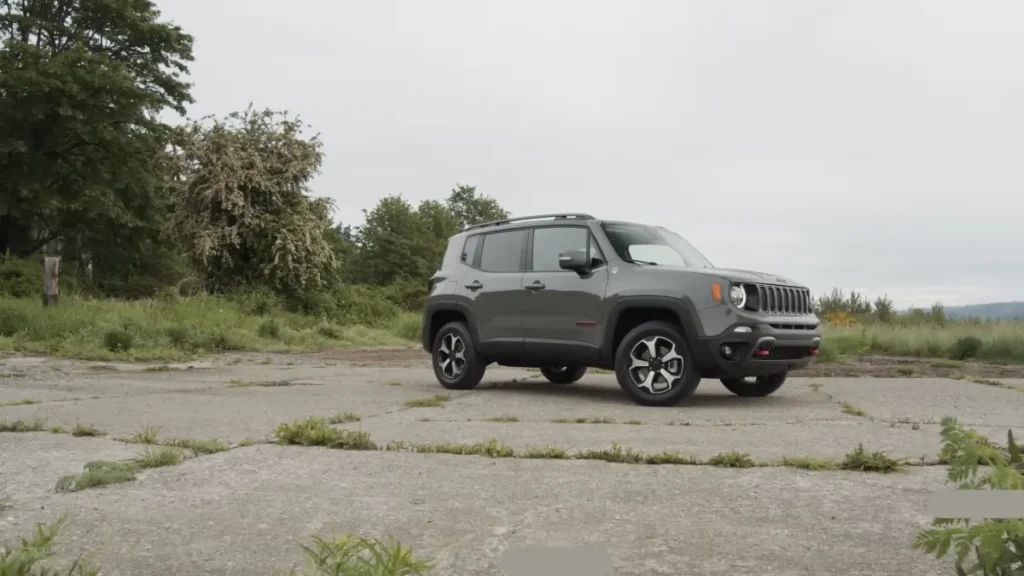
Let’s be clear: a portfolio expansion is absolutely necessary for Jeep India. Frankly, since the last new model was launched back in 2022, the showroom has felt a bit quiet, relying only on facelifts, updates, special editions, and variant rejigs. The Indian market holds huge growth potential, and for Jeep to start improving its volumes and relevance, new products are crucial. This isn’t just about filling a gap; it’s about strategic targeting of the most high-growth SUV segments to secure long-term volume and profitability gains.
Now, what could this new product be? All signs point to the new-gen Jeep Renegade. Industry whispers suggest it will be underpinned by a smart, cost-competitive platform, likely the CMP platform already used by Citroen models. This Platform sharing is a brilliant move to reduce both development and production costs. Assuming it’s positioned as a compact SUV, its mission will be to directly take on established rivals like the Hyundai Creta, Kia Seltos, and Tata Sierra. It’s a competitive space, but one Jeep needs to win.
Strengthening Jeep’s Presence in India
The current lineup in India is solid—Jeep sells the Compass, Meridian, Wrangler, and the Grand Cherokee. But under the brand’s broader 2.0 strategy, keeping things fresh is key. We saw this last year when they launched the Trail Edition for the Jeep Compass and Meridian, and more recently in October 2025, when the Compass also received a Track Edition. This trend of introducing exclusive special editions of core models will continue in the near future.
Also Read: One Month, 71,066 Cars: Inside Tata Motors’ Record-Breaking January
However, from my conversations at dealerships, I know buyers value what happens after the purchase just as much. Understanding this, Jeep is putting a major focus on improving the ownership experience. They have multiple initiatives planned, which include enhanced after-sales services, extended warranty offers, and premium customer loyalty programs. This two-pronged approach—exciting new models and a worry-free ownership journey—is how you build a lasting connection.
A critical focus area of Jeep’s 2.0 strategy is to significantly boost exports from its Ranjangaon facility in Maharashtra. This plant is unique—it’s the only one outside of North America from which Jeep cars are exported overseas to key right-hand-drive markets. The target countries to be covered are diverse, including Africa, Australia, Japan, and New Zealand, alongside more shipments to North America.
To make this work, smart sourcing is key. To directly reduce production costs and boost the price competitiveness of Jeep cars in both domestic and export markets, there are solid plans to dramatically increase localization at the India plant. The goal is to achieve up to 90% localization, a big jump from the current 65-70%. Furthermore, signed trade deals and ongoing ones could open up even more new export opportunities for carmakers in India, greatly benefitting renowned brands like Jeep.
