


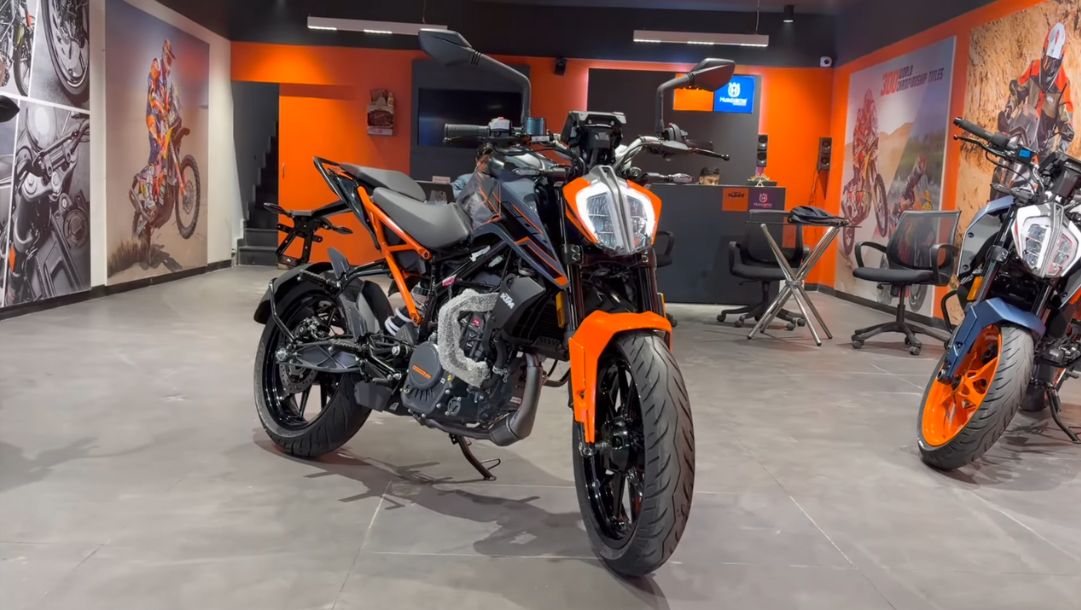
Bajaj-KTM is taking a big step in its mid-capacity lineup with the development of a new twin-cylinder engine, which will be the third generation in KTM’s sub-500cc segment. This all-new engine platform is being built entirely in India, highlighting Bajaj’s growing role in KTM’s global operations. Unlike the RC 490 prototypes in Europe, which use CFMoto’s 449cc unit, this new engine marks a fresh start for KTM’s next-generation KTM machines, promising improved performance and innovation.
KTM’s Next-Gen Engine Evolution
KTM has been shaping the sub-500cc segment for years, starting with single-cylinder engines in the first generation like the 373cc Duke 390 and RC 390. The second generation brought the 399cc LC4c engine, powering the latest Duke 390, Adventure 390, and updated RC, showing how KTM has carefully built a strong foundation for its KTM motorcycles journey.
Now, with the third-generation platform, KTM and Bajaj are working on a twin-cylinder new engine, which will move away from the old configuration while keeping the sub-500cc unit likely at the core. This displacement is not yet known, but it will eventually form the new family of bikes, bringing more power and advanced performance to riders, marking an exciting chapter in KTM’s engine story.
The Case for Twin-Cylinder Engines
KTM has long focused on single-cylinder bikes in the sub-500cc class because cost constraints kept prices low, making India’s affordability a key factor for sales success. Over time, the market has evolved; globally, rivals like Kawasaki, Honda, Aprilia, and CFMoto have already shifted to twin-cylinder engines, while the Indian motorcycle market has matured, with riders now seeking premium, higher-spec machines such as the BMW F 450 GS and TVS Apache RR 450.
Against this backdrop, KTM’s engine strategy is also changing. The new twin-cylinder engine is designed to fit Europe’s A2 license category, limiting output to 47bhp (35kW), and will eventually replace the current 399cc motor. This twin-cylinder unit is set to become the ideal rival in the sub-500cc global competition, giving KTM a stronger presence in both India and international markets while maintaining its competitive edge.
KTM’s Refined Twin-Cylinder Upgrade
The KTM is stepping up in the Indian market with a new platform designed to stay competitive in global markets while offering Indian buyers a more refined, premium experience. The twin-cylinder layout promises smoother performance, improved NVH levels, and a more engaging riding experience compared to the current single-cylinder setup.
The existing 399cc engine will be downsized to under 350cc, producing around 40bhp, while the parallel-twin motor acts as an ideal upgrade, enhancing the outright output, refinement, and overall feel of performance. With better performance figures, NVH, and riding experience, this premium option gives KTM a strong competitive edge against the global competition and strengthens its upgrade path in the Indian market.
Also Read: The New Mercedes-AMG GLC 53: 443 HP Engine
Built in India, for the World
Bajaj Auto’s research and development team has created a new engine entirely made inside the company at their Chakan plant, which is located near Pune. This shows that Bajaj is not just a major shareholder but also a key player in developing and producing engines for KTM on a global scale. This project is one of the important aspects showing how India is now producing world-class motorcycles with capabilities that meet global standards.
The new engine is expected to first power the Duke range, followed by Adventure and RC models, and it even makes its way to Husqvarna motorcycles. While it might come as a surprise to some, this step is not wishful thinking but a deliberate part of KTM’s strategy to strengthen its presence globally, showcasing how India can produce premium bikes for riders worldwide.
KTM Twin-Cylinder Launch Timeline
The much-anticipated twin-cylinder engine platform from KTM is still under development, but enthusiasts can look forward to its market launch soon. The groundwork is already in place, and with the growing urgency to compete in the global competition, the new engine could be unveiled at EICMA 2027 and might reach showrooms by early 2028 or mid 2028, giving riders a clear time frame to get ready for this exciting upgrade.
European Test Mules Explained
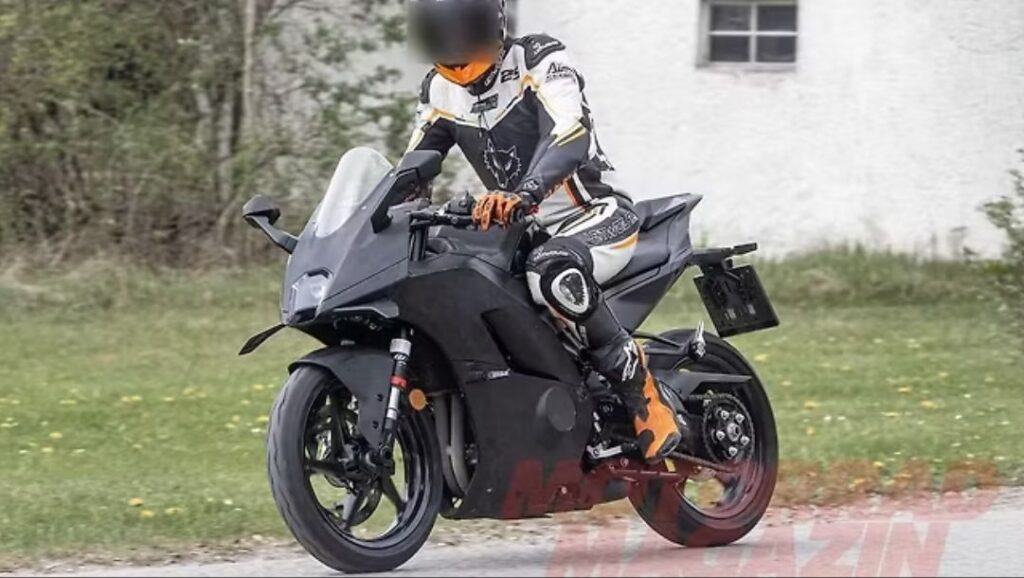
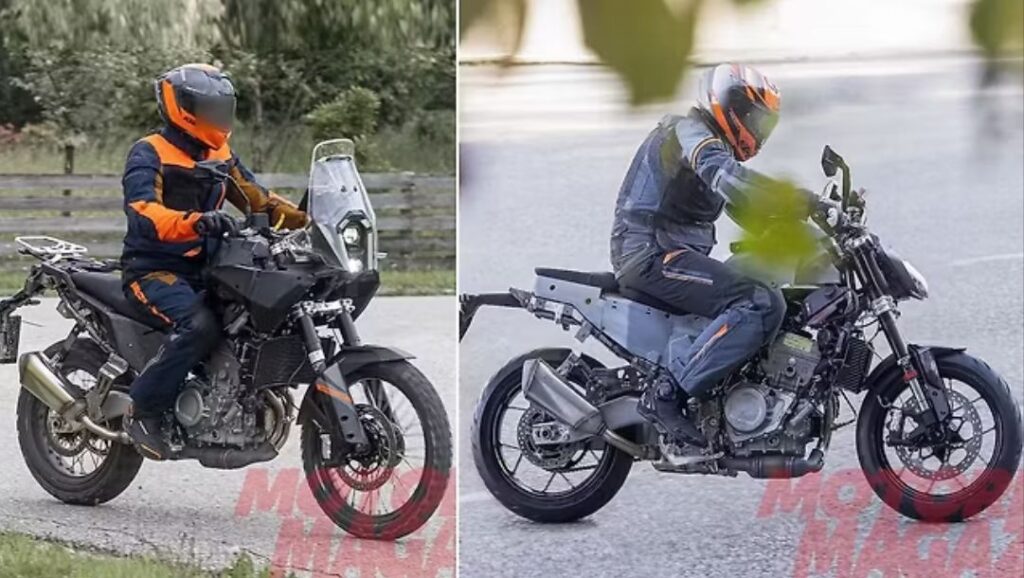
When I first spotted the latest KTM prototypes in Europe, it was clear that the bikes under testing were not exactly what most enthusiasts assumed. The upcoming 490 RC range seems part of a bigger project that is actually tied to a 790cc platform being developed in Austria as a replacement for the existing single-cylinder 690 models.
What caught my attention personally was how the test mule appears to use CFMoto’s 450cc twin-cylinder platform, which is not linked to Bajaj’s development efforts. Observing the way these machines are seen on public roads, it’s easy to understand that the early development stage is still ongoing, and these partnerships may not continue in their current form.
From experience following KTM closely, it seems this project is likely targeted at Chinese and selective European markets, though the light of day for these prototypes may not arrive soon. The bikes reported recently spotted give enthusiasts a glimpse of innovation while staying part of existing platforms. What’s interesting is how Bajaj now owns KTM, influencing which development efforts proceed, and which may remain behind the scenes. Similarly, the RC and 490 range bikes show the brand’s commitment to evolving platforms while respecting legacy models like the 690.
