


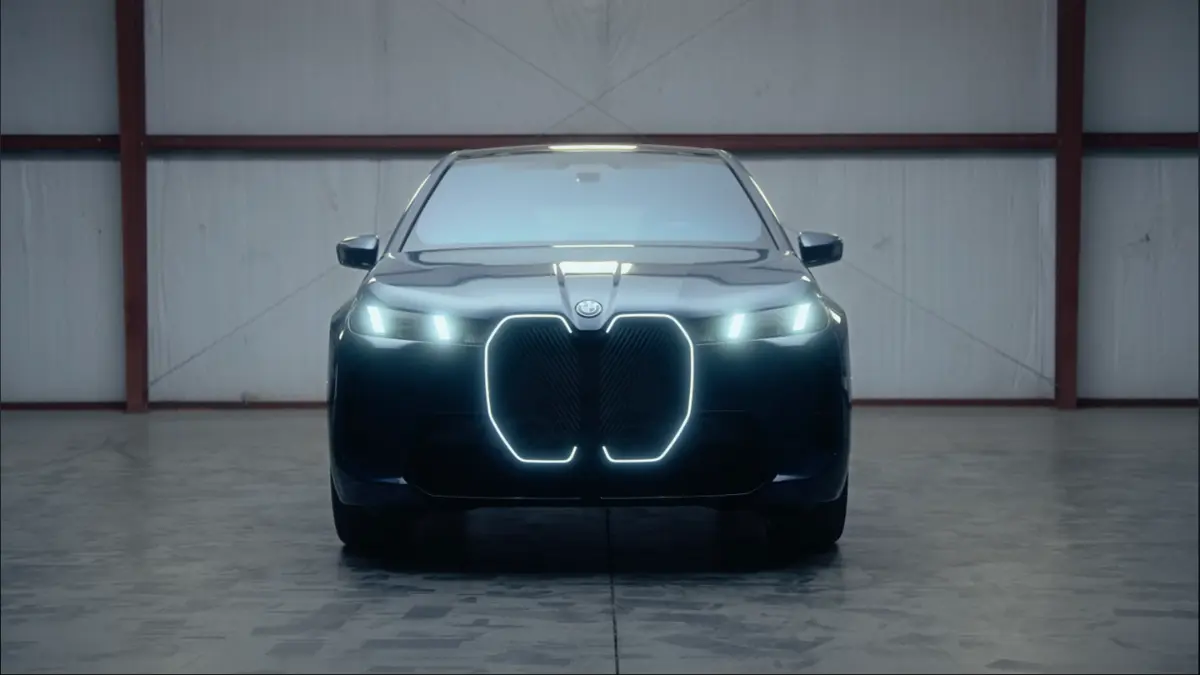
A pivotal agreement is set to be unveiled at the India-EU bilateral summit on January 27. It is projected to strategically position India as an appealing manufacturing centre for premium EVs, marking a significant shift in the trade partnership.
A New Chapter in India-EU Trade
A significant agreement is anticipated to be unveiled at the bilateral summit on January 27. According to sources familiar with the ongoing negotiations, this free trade agreement (FTA) between India and the European Union is poised to dramatically reduce import tariffs on automobiles, including electric vehicles (EVs), from the 27-member bloc to just 10-15 per cent.
From my experience following trade deals, such a shift doesn’t just tweak numbers; it rewires markets. This move is projected to potentially act as a major catalyst, catalysing a significant increase in European luxury EV sales within India. A recent report by The Economic Times added crucial context, noting that India currently imposes import duties of approximately 100 per cent on European automobiles with a landed cost exceeding $40,000 (roughly ₹37 lakh), which directly applies to luxury EVs.
This is where the strategy gets interesting. The agreement isn’t just about opening the market for imports; it’s fundamentally about positioning India as an appealing manufacturing centre. By making premium EVs more accessible, the aim is to attract investment and technology to build these vehicles locally in the country.
This emerging category, often comprising models with entry prices around ₹1 crore, represents a high-value frontier. Industry specialists point out that this dual approach—lowering barriers while boosting local production appeal—could reshape the entire landscape, moving beyond trade to deep industrial partnership.
A Dual-Track Market Impact
The anticipated India-EU FTA is set to carve two distinct paths in the Indian electric vehicle landscape. For European luxury EV manufacturers, the substantially reduced import duties will be a game-changer, finally granting them the ability to price their high-end offerings more competitively in the Indian marketplace. However, having analysed market protections before, I see a different story for the Budget EVs segment. This price-sensitive tier, firmly controlled by domestic manufacturers, is likely to remain predominantly unaffected. The simple reason is that these vehicles are already manufactured locally, insulating them from the tariff shifts that will reshape the premium end of the market.
Also Read: After Years Away, the Renault Duster Is Finally Back
The Built-in Safeguards
The expected FTA won’t be a free-for-all, and my reading of trade frameworks suggests its real substance lies in the provisions for balancing open market access with robust safeguards. Informed sources have indicated that staged localisation requirements and stringent value-addition standards for EV manufacturers are anticipated to stay firmly in effect.
This is critical for guaranteeing that any surge in import growth does not undermine India’s long-term manufacturing objectives. This approach is directly backed by the existing EV policy, which requires a significant 25 per cent domestic value addition by the third year of operations, escalating to 50 per cent by the fifth year. This structure offers clear protection for major domestic manufacturers like Tata Motors and Mahindra & Mahindra, ensuring they remain central to the ecosystem even as the market evolves.
Voices from the Frontline
Industry leaders are voicing strong optimism. As Hardeep Singh Brar, the President and CEO of BMW Group India, was quoted in the report, “We believe this India-EU FTA will benefit both parties.” His statement highlights the core expectation: to expand trade and lead to a meaningful exchange of technology and innovation.
Looking deeper, the strategic advantage lies in collaboration. The rationale, as explained, is that by leveraging each other’s strengths, the pact can significantly boost consumption for luxury vehicles in India. More importantly, it will improve supply-chain integration, which is absolutely critical in today’s current geopolitical context, reducing dependencies and building a more resilient partnership.
A Niche Leading the Charge
While the volume is still modest, currently generating sales of approximately 2,000 units annually, India’s luxury EV segment is unmistakably experiencing stronger electrification momentum than the broader mass market. This isn’t just anecdotal; it’s clearly shown in the data compiled by analysts like Jato Dynamics.
The numbers tell a compelling story. Between January and November 2025, Battery electric vehicles represented 10.7 per cent of the luxury segment’s powertrain composition. That’s a significant lead when compared to the 4.5 per cent figure for mass-market manufacturers. This disparity highlights where early adopter interest and investment are truly concentrated, making this niche a critical battleground for new trade agreements.
A Strategic Transition in Motion
Whilst internal combustion engines continue to dominate the wider market, luxury brands have strategically relied substantially on hybrids – spanning from mild hybrids to plug-in hybrids – as a crucial transition phase towards complete electrification. This groundwork has paved the way for pure electric models like BMW’s iX and i4, Mercedes-Benz’s EQS and EQE saloons, Audi’s Q8 e-tron, and Volvo’s XC40 Recharge to find a ready audience. These vehicles have secured consistent demand amongst affluent Indian purchasers who are actively seeking a sophisticated blend of performance, sustainability, and advanced technology.
The trend’s strength is evident even at the highest price points. Take the Porsche Taycan; despite its premium pricing of approximately ₹1.7 crore, it continues to attract interest. This highlighting of an expanding acceptance underscores that electric drivetrains are no longer a novelty but a validated choice within the luxury segment, signalling a mature and growing market for the premium EVs that a trade deal would facilitate.
Strategic Manufacturing Vision
Beyond just easing imports, the proposed FTA is expected to strategically establish India as a more attractive manufacturing location for global players. This long-term industrial vision was echoed by Santosh Iyer, the managing director and CEO of Mercedes-Benz India, who was quoted saying, “More than 90 per cent of what we sell is already manufactured in India, hence we don’t see any significant price reduction from the FTA.”
His point underscores that for established local producers, the agreement’s greater value lies in boosting India’s export potential and supply chain role rather than just lowering domestic sticker prices.
