


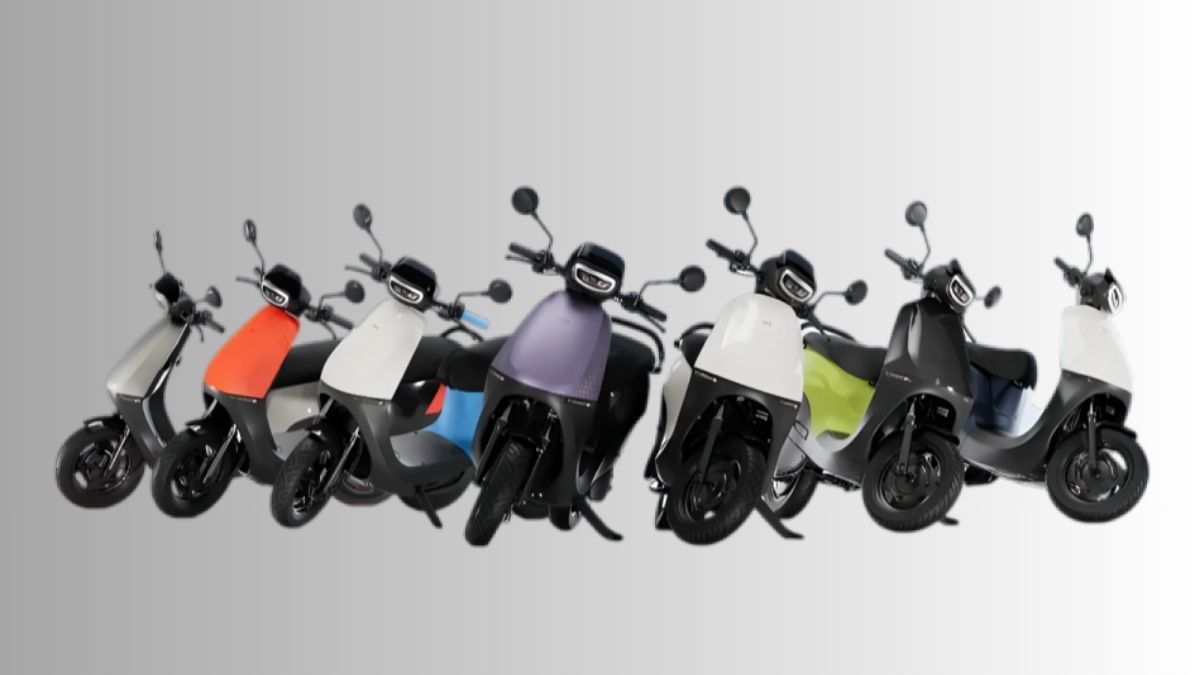
In my experience following the electric vehicle sector closely, Ola Electric’s retail sales have dropped sharply over the recent months, particularly in February 2026, when volumes were falling to just 3,968 units. This represents the lowest monthly performance for the company in four years, returning to levels last seen during the early phase of market entry in 2021/22. The decline is notable, reflecting challenges even as the business continued expanding its product lineup.
Over the past few years, the company has introduced multiple new electric scooters and variants, while also launched motorcycles and simultaneously strengthened its distribution network. Despite these efforts, monthly volumes have continued to slide, showing that even well-planned expansion strategies face real-world market pressures. Observing this trend firsthand makes it clear that consistent innovation and careful demand monitoring are critical for maintaining sales momentum.
Journey From EV Market Leader To Falling Numbers
Reflecting on the Ola Electric story in India, the largest electric two-wheeler sellers saw a remarkable start in 2023 and early 2024. The company recorded its highest-ever monthly retail sales of 53,646 units in March 2024, with several months crossing the 30,000–40,000 unit mark. The initial momentum was strong, but began weakening in late 2024 and carried into 2025. That year began strongly with 24,413 units in January, but sales steadily declined as the months passed, reaching 16,036 units in October and 9,021 units by December.
| Month | Year | Units Sold | Context / Notes |
|---|---|---|---|
| February | 2026 | 3,968 | Lowest monthly sales in 4 years; volumes falling sharply |
| January | 2026 | 7,516 | Start of 2026, showing continued slowdown |
| December | 2025 | 9,021 | End of 2025, declining sales trend |
| October | 2025 | 16,036 | Steady decline through 2025 |
| January | 2025 | 24,413 | Strong start of 2025 |
| March | 2024 | 53,646 | Highest-ever monthly retail sales |
| Various | 2024 | 30,000–40,000 | Several months crossing this unit mark |
| February | 2022 | 3,910 | Reference point for comparison with 2026 |
The slowdown only intensified in 2026, with the company reporting 7,516 units in January, then fell further to 3,968 units in February, marking one of the lowest figures since February 2022, when Ola sold 3,910 units. Observing this firsthand shows that even an EV market leader faces the challenge of sustaining sales in a rapidly changing environment, where early success doesn’t always guarantee long-term stability.
Also Read: Ola Roadster X Becomes More Affordable With Price Cut to Rs. 79K
Growing Competition in the EV Market
Even as Ola sales have declined, the overall electric two-wheeler market continues to grow rapidly, driven by established manufacturers like TVS, Bajaj, Ather, and Hero MotoCorp’s VIDA brand. These players are steadily expanding their EV portfolios and dealer networks, while legacy OEMs are increasingly leveraging their strong service networks, brand trust, and dealership reach to capture a larger share of the fast-growing market. Observing this firsthand, it’s clear that even with Ola’s early lead, sustaining growth requires constant innovation and strategic network expansion.
Also Read: Kia India’s Impressive February Performance: 27,610 Cars Sold
Stock Performance and Market Pressure
Alongside the slowdown in sales, Ola Electric Mobility’s stock price is under pressure, with company shares trading around Rs 24.52, a decline of 73% from peak levels. This reflects weak investor sentiment as slowing momentum meets intensifying competition in the EV space. Retail volumes are at a four-year low, with the stock sliding sharply, making the coming months critical for the company to attempt to regain momentum in India’s rapidly evolving electric two-wheeler market. Observing this firsthand, it’s clear that Ola must balance operational growth with investor confidence to stabilize both sales and stock performance.
