


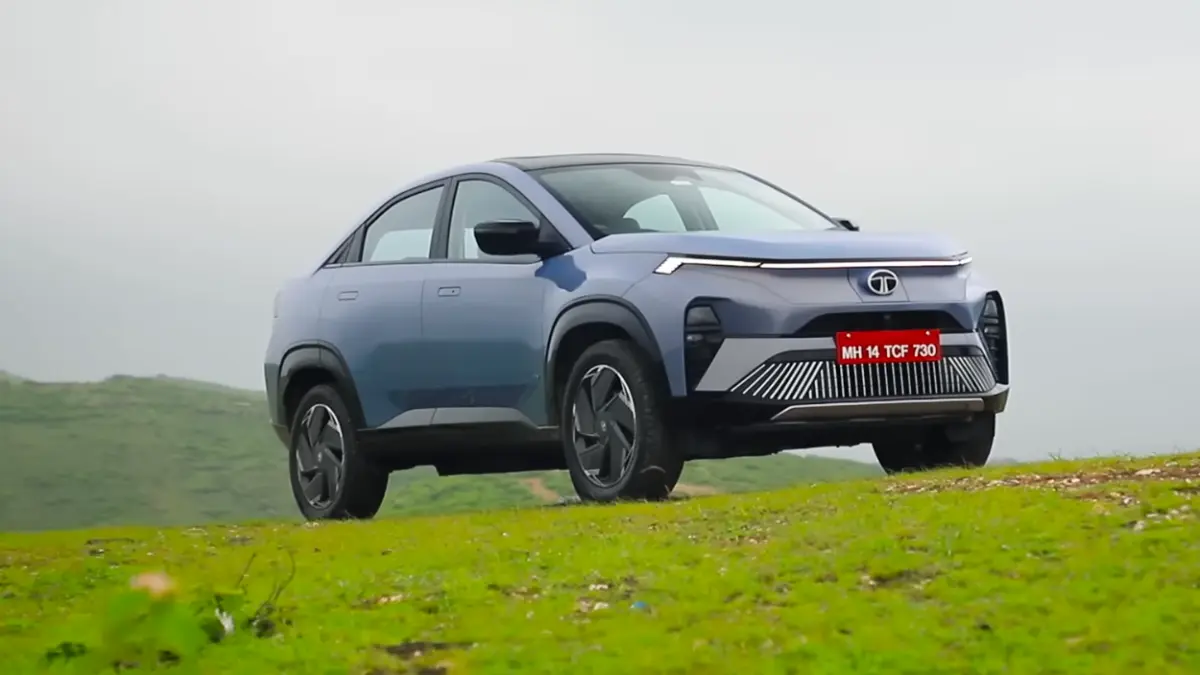
In early 2026, Tata Motors is making a very aggressive move to boost its electric range with substantial discounts. The offers are significant, with total benefits reaching up to Rs 3.8 lakh. While the biggest headline grabber is the Curvv EV, these discounts run through the entire line-up.
This includes the affordable Tiago EV at the entry end, all the way to models higher up like the Nexon EV 3.0 and the Harrier EV. The discount structure might look familiar, but the scale is new. Tata is stacking various incentives—like green bonuses, exchange or scrappage benefits, and loyalty rewards—and it’s this combined number that makes the deal so compelling for buyers.
Tata Motors Curvv EV Discounts & Pricing Strategy
For Tata Motors, the Curvv EV is clearly the focus of this aggressive push, especially as a premium compact SUV that was launched in 2024 and is still building sales momentum. Looking at the details, the discount package is substantial. On most variants, it includes a green bonus of Rs 3 lakh, an exchange or scrappage benefit of Rs 30,000, and loyalty bonuses of up to Rs 50,000.
When you add it up, the total benefit reaches Rs 3.8 lakh, which are real, sticker-moving numbers, not just token freebies. Even the Creative 45 variant gets a strong deal with a slightly smaller green bonus of Rs 2.5 lakh; once the other components like exchange and loyalty are included, the total still climbs to a significant Rs 3.3 lakh.
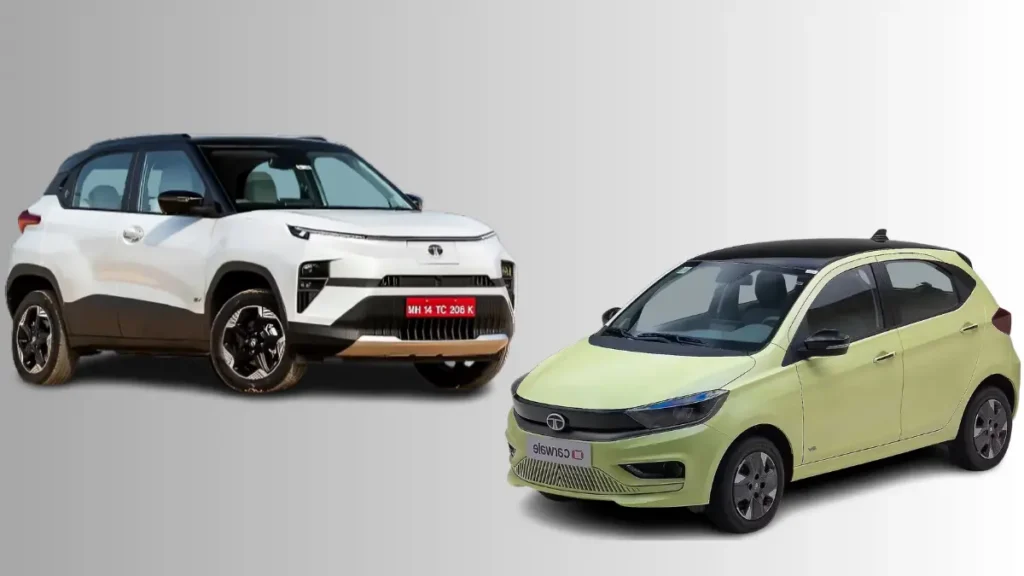
Tata Motors Punch EV & Tiago EV Volume Strategy
Tata Motors is also pushing hard on its volume models. The Punch EV comes with total benefits of up to Rs 1.6 lakh, a package that can easily swing a cross-shopping decision. The breakup includes a green bonus of Rs 60,000, an exchange or scrappage benefit of Rs 50,000, and loyalty bonuses of up to Rs 50,000. This is especially effective for buyers who like its SUV-like stance but have been hesitating on the EV premium.
The strategy is similar for the entry-level Tiago EV, which gets up to Rs 1.5 lakh in benefits, led by a green bonus of Rs 70,000 and Rs 30,000 through exchange or scrappage. The loyalty program is tiered, offering up to Rs 50,000 for Tata EV owners upgrading to another Tata EV, or Rs 20,000 for Tata ICE owners switching to electric. Considering the Tiago EV is starting at Rs 7.99 lakh ex-showroom, this full benefit stack can pull the effective entry point closer to Rs 6.5 lakh, creating a meaningful psychological and EMI difference in this price-sensitive segment.
Also Read: Hyundai January 2026 Sales: 59,107 Units & 11.5% Growth Set New Record
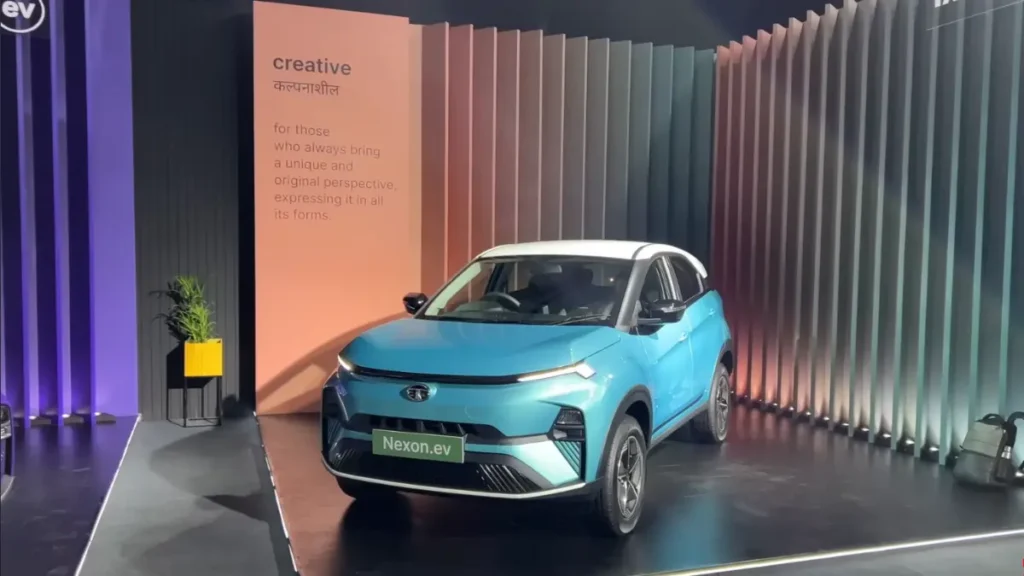
Strategic Discounts on Established EVs
The discounts aren’t one-size-fits-all. For the Nexon EV 3.0, which enjoys steadier demand, Tata Motors has calibrated the benefits to a more measured Rs 1.2 lakh. The structure here includes a Rs 20,000 green bonus, a Rs 50,000 exchange or scrappage benefit, and loyalty bonuses up to Rs 50,000. With the car priced between Rs 12.49 lakh and Rs 17.49 lakh ex-showroom, this is just enough to keep it sharp in the market without signalling any distress.

The strategy shifts again for the Harrier EV, which is in a very different place in the lineup. Here, Tata is leaning heavily on loyalty, offering up to Rs 1 lakh specifically for customers switching from another Tata vehicle or those who already own a Tata EV. This focused incentive is smart—it’s about protecting the flagship’s premium pricing while still giving its existing customer base a compelling reason to upgrade.
The Strategy Behind the Savings
Looking at this layered discount push from Tata Motors, it’s clear they’re running a smart, buyer-type strategy. The big headline is the green bonuses, designed to attract general interest. The exchange and scrappage benefits are there to pull in shoppers with an older car on hand, while the loyalty rewards specifically aim to keep existing Tata customers inside the brand ecosystem.
The timing of these offers also hints at practical inventory management—likely to move a mix of fresh stock and any slower-moving units before the next cycle of updates and launches. It’s worth noting these deals are valid only until stocks last, and Tata typically reshuffles its schemes month to month. So, if you qualify for both exchange and loyalty together, 2026 could be one of the stronger windows to make the jump.
