


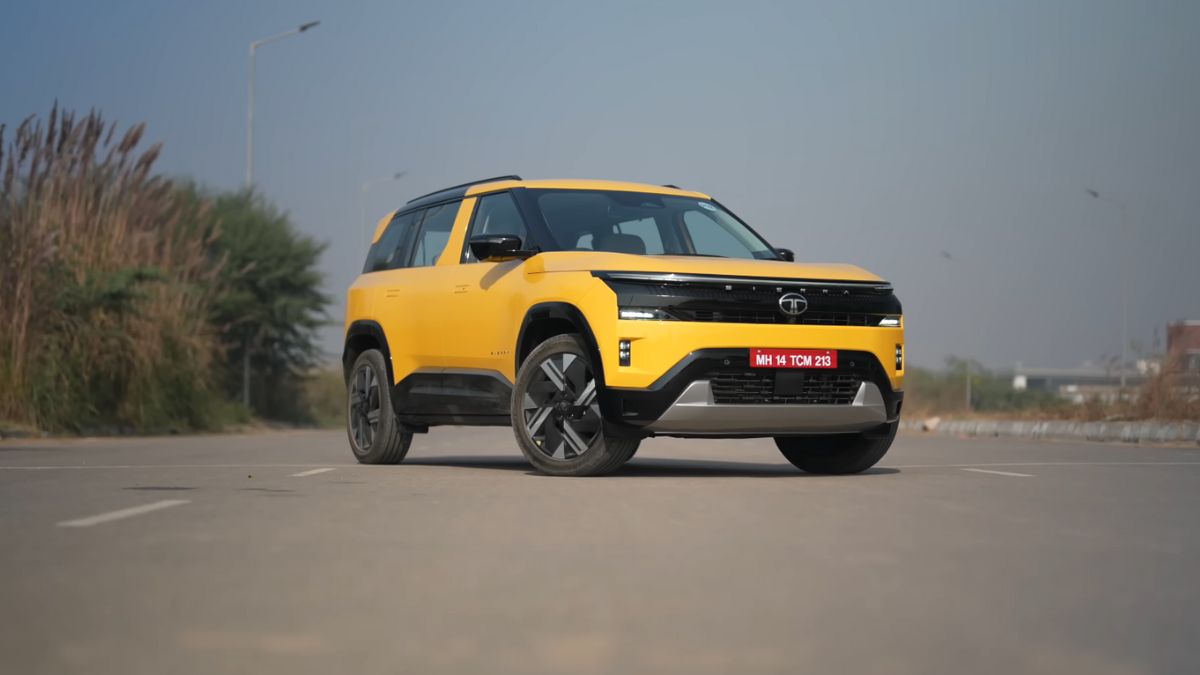
From my experience following the Indian automotive scene, the Tata Sierra by Tata Motors has made a remarkable comeback as a SUV that instantly captured strong interest. The launch saw 70,000 orders received within just 24 hours of bookings opened in December 2025, and the company later confirmed that cumulative bookings had crossed the 1 lakh mark, underlining the strong market acceptance of this new nameplate.
Official deliveries announced on 15 January 2026 quickly reached a 10,000-unit milestone, with early momentum continuing up to 2 March 2026, as showcased on social media. Experiencing this firsthand, it’s clear that the achievement isn’t just in numbers—it reflects the significant excitement generated by a nameplate’s comeback and the trust confirmed achievement instills in the market.
Managing Strong Demand and Production
Following the incredible market response to the Sierra, Tata Motors has now turned its focus to production and deliveries, ensuring timely deliveries while tackling the challenges of the Indian auto industry. During a Q3 FY26 media interaction, Shailesh Chandra, Managing Director and CEO of Tata Motors Passenger Vehicles, highlighted that bookings had entered six-digit territory, making cancellations a concern that the company is actively addressing.
Also Read: Mahindra XEV 9e Cineluxe Edition: Exclusive Satin Finish, 79 kWh Battery
The optimisation of supply chain and proper alignment has become a next priority to maintain efficiency, while working closely with suppliers to ease pressure on components like castings and powertrain parts.
The surge in Passenger vehicle volumes after GST reforms has been significant, with monthly volumes rising from around 3.5 lakh units to nearly 4.2–4.5 lakh units. This rapid demand surge has created bottlenecks in logistics, but Tata Motors is strategically addressing these issues, ensuring that deliveries remain smooth. From observing these operations firsthand, it’s clear that production optimisation and careful coordination with suppliers are key to sustaining the strong market interest the Sierra has generated.
Scaling Up Production
At the Sanand facility, Tata Motors is working to scale production of the Sierra, which joins the high-demand product lineup alongside the Nexon. The plan aims for around 15,000 units per month, with annual production potentially reaching 1.5 lakh units if supply conditions allow. The Sierra is offered with multiple powertrain options, including internal combustion engines, while an electric version (EV) is under development. The company has confirmed that the launch of the Sierra EV is expected by June 2026, reflecting a thoughtful manufacturing strategy to meet rising demand while maintaining quality and innovation.
Also Read: Tata Sierra Extended Warranty: Plan Prices, Coverage, and Deadlines Explained
Exploring Global Markets
While the immediate focus remains on domestic demand, Tata is actively evaluating export opportunities to expand its global footprint. With India entering new trade agreements and negotiating additional FTAs, the company sees long-term potential in international markets. The initial strategy will prioritise right-hand-drive markets, and Tata has already re-entered South Africa while assessing opportunities in the UK and Europe, especially for its electric portfolio.
From my experience, this approach reflects a careful balance between domestic growth and strategic expansion, positioning the Sierra to capture both local enthusiasm and international interest.
