


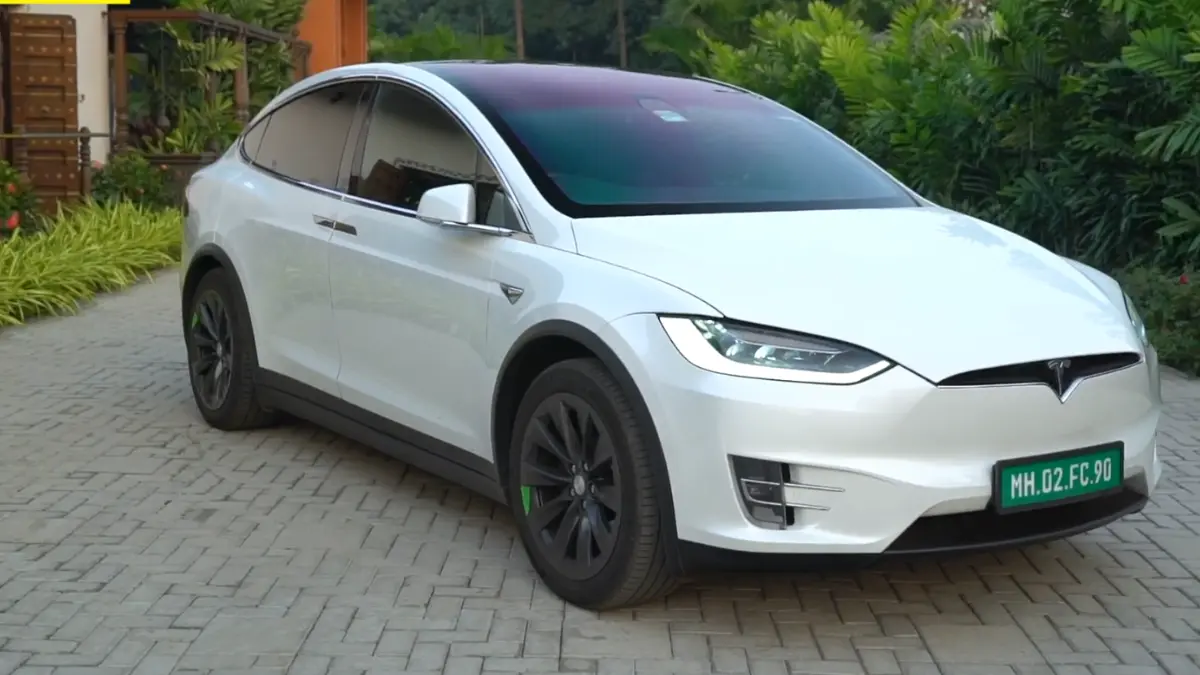
While the Model 3 and Model Y are the stars of Tesla’s global sales, making up the vast majority, the pioneering Model S sedan and Model X SUV continue to sell in more exclusive quantities. They’re the premium flagships that started it all.
Recent updates confirm CEO Elon Musk’s move to phase out Tesla’s longest-running and most iconic models, the Model S and Model X. This signals a major shift in priorities for the American EV maker. These models played a crucial role in establishing Tesla as a serious global automaker, but changing market dynamics have made their future increasingly uncertain, marking the end of an era.
The Gradual Phase-Out: A Strategic Wind Down for the Model S and Model X
Based on my experience tracking industry shifts, the timeline for discontinuing the Model S and Model X isn’t a single event, but a managed process already underway. Reports indicate Tesla has taken a phased approach, having already quietly restricted configurations in several markets by limiting variant availability and closing order books for certain trims. This strategy suggests the company will gradually wind down production over the coming months. It’s a smart move to fulfil existing commitments while avoiding a sudden exit that could negatively impact brand perception.
The Business Case: Scale, Competition, and a Shift in Focus
The core reason boils down to scale and shifting priorities. In my analysis of Tesla’s global volumes, the Model S sedan and Model X SUV simply sell in relatively small numbers when compared to the Model 3 and Model Y, which together account for the bulk of sales. As competition intensifies and EV prices face pressure, Tesla is now prioritising models that deliver higher efficiency, simpler manufacturing, and stronger margins. Elon Musk has repeatedly stressed the need to focus on mass-market EVs and next-generation platforms, a strategy leaving little room for niche, high-cost models like these pioneering flagships.
You Should Know That: Volkswagen Just Confirmed 5 New Models
Technical Legacy: Performance and Practicality Defined
These vehicles were engineering statements. The Model S was known for redefining what an electric sedan could be, prioritizing exceptional long range and breathtaking performance. In its latest form, it offers up to 650 km of claimed range and comes standard with dual-motor all-wheel drive. Its most capable high-performance variant delivers blistering acceleration, sprinting from 0 to 100 kmph in under 3 seconds.
As Tesla’s flagship SUV, the Model X took that core electric prowess and combined it with added practicality. It offers up to 580 km of range and standard AWD capability, but its true defining feature was its dramatic signature falcon-wing doors. This SUV was built for utility, with a seating configuration for up to seven occupants, making it a unique fusion of similar performance and family-friendly space.
The Road Ahead: A Future Built on Volume and New Platforms
Looking ahead, with the Model S and Model X nearing the end of the road, Tesla’s clear future will revolve around the high-volume Model 3, Model Y, and upcoming next-gen EVs. While this decision might disappoint some purists, it powerfully underlines the company’s relentless push to stay competitive in the rapidly evolving global EV market.
