


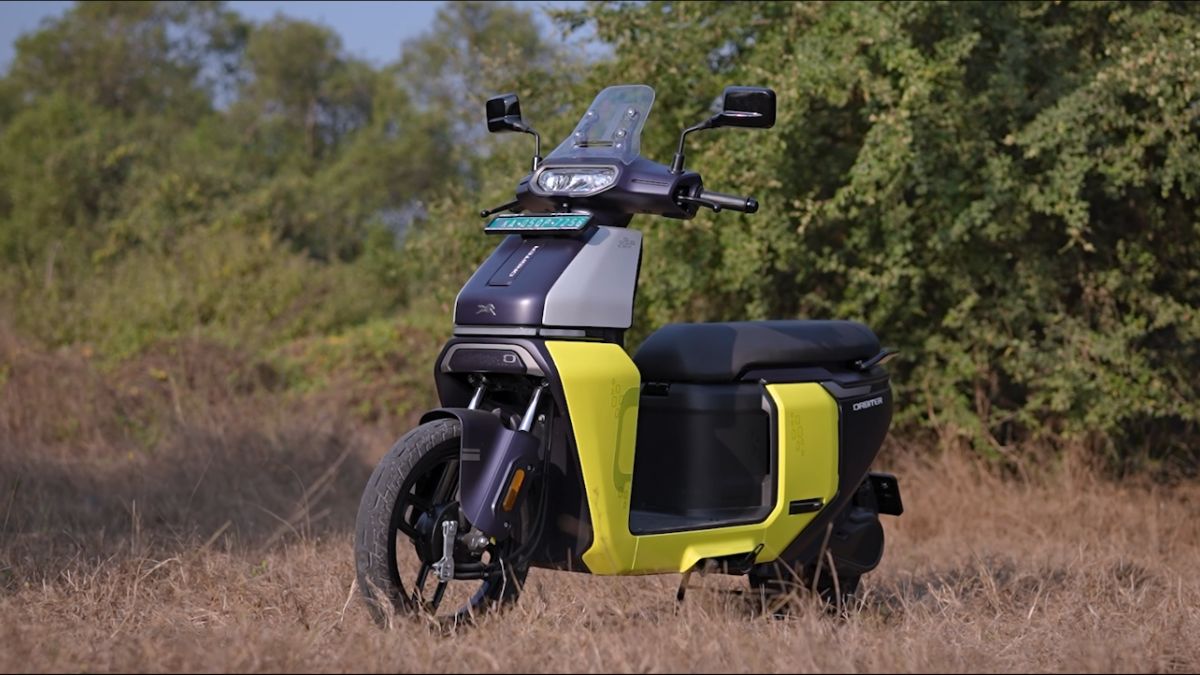
During my time in Pune city, I spent a couple of weeks riding the TVS Orbiter, and the experience gave me new perspectives on the electric scooter scene in India. This scooter, launched as a second option after iQube, shows how TVS Motor has changed the tides in its favour, even having dethroned Ola Electric to become a best-selling brand.
As I tested it over good roads, bad roads, and hilly inclines, I noticed both its strengths and shortcomings under different conditions, especially regarding charging and daily usability. The company seems to have created a primary volume generator while maintaining the reliability expected from TVS Orbiter, making it a standout electric scooter in the current race among EV options. My observations highlight that it balances performance and convenience, proving why this scooter is quickly gaining popularity across the city and beyond.
TVS Orbiter: Style and Colors
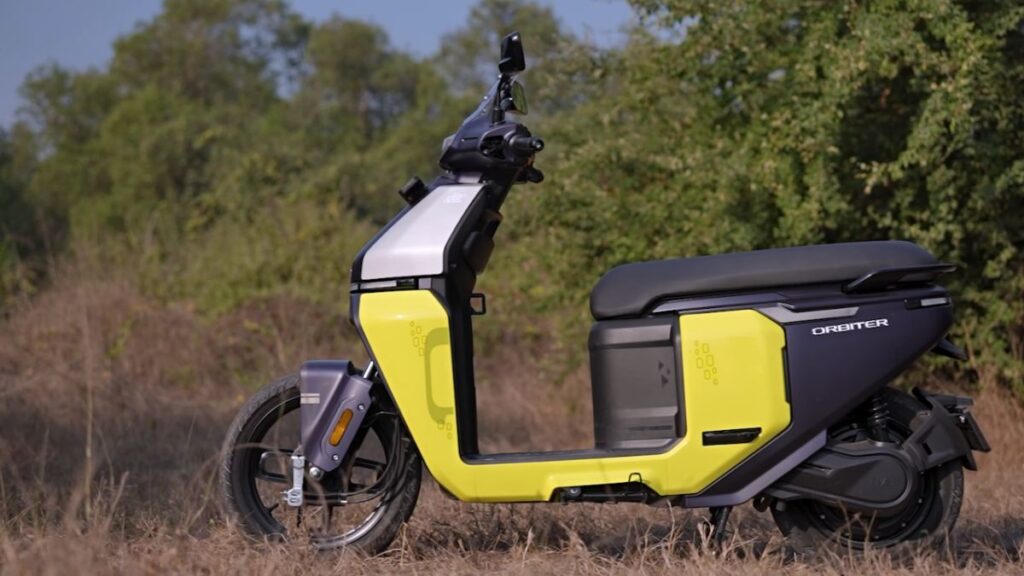
Riding the TVS Orbiter around the city, I immediately noticed its big appeal compared to iQube. While it’s not a complete head turner, I got several positive comments like “kitna pyara scooter hai bhai” and “poora parking lot me standout kar raha hai” from enthusiastic admirers. The scooter seems designed for young individuals and fits the demographic TVS is targeting. The experienced shades like Neon Sunburst, Stratos Blue, Lunar Grey, Martian Copper, Cosmic Titanium, and Stellar Silver add a mix of fun and sophistication, with fluorescent Yellow, dark Blue, and Silver forming a striking palette that draws attention without trying too hard.
Lights and Visual Details
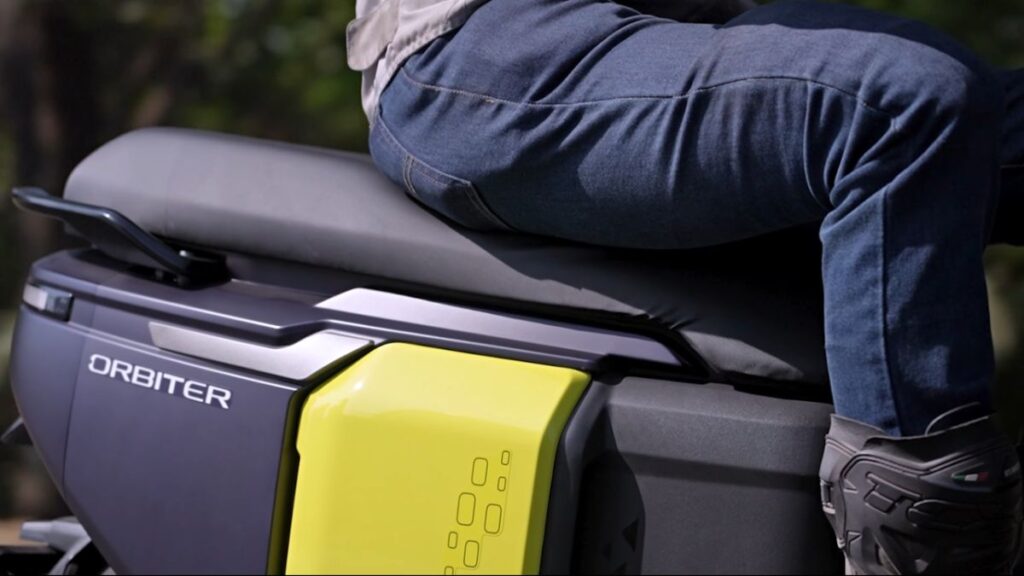
The LED headlights on the handlebar cowl and the LED DRL on the front apron give the TVS Orbiter a modern touch. The DRLs are complemented by sleek LED turn indicators, while the rear tail lights complete the lighting setup. The geometric patterns across the Orbiter, seemingly drawn by a playful kid with a ruler, create a unique visual texture. Even small elements like the four-spoke alloy wheel at the front, straight lines on the floor board, side body panels, and the straight-line seat make the scooter look well-thought-out and stylish.
Ergonomics and Performance
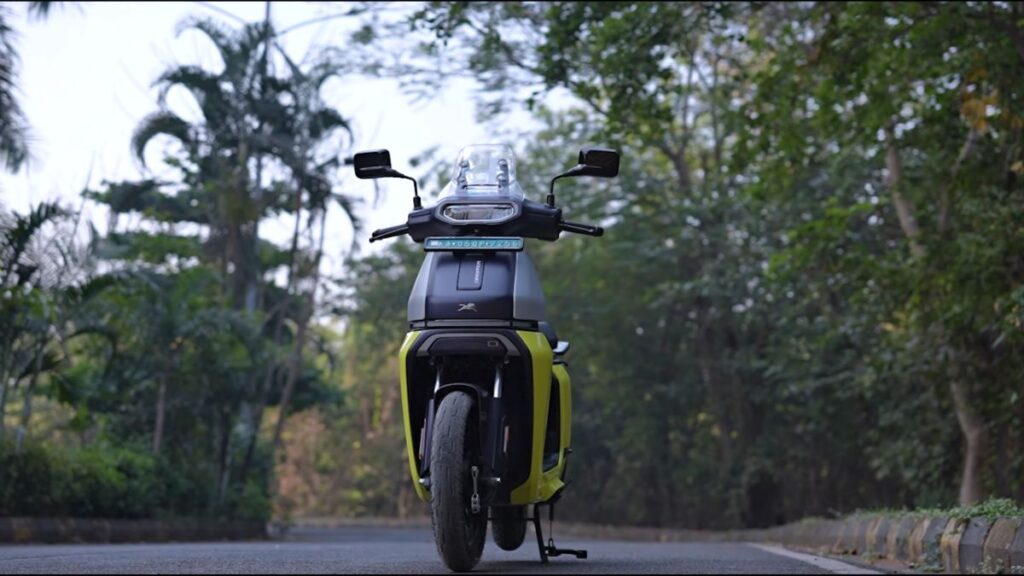
Practical details such as flush-type rear footpegs, split rear grab rails, squarish ORVMs, and a tall windscreen enhance comfort and usability. The top speed of 68 km/h may not be extreme, but it suits urban commuting while adding a subtle visual drama. Riding the Orbiter gives a sense of precision, from its geometry to the handling of the scooter, combining design, appeal, and functionality in a way that makes it stand out in its class.
Practicality and Comfort
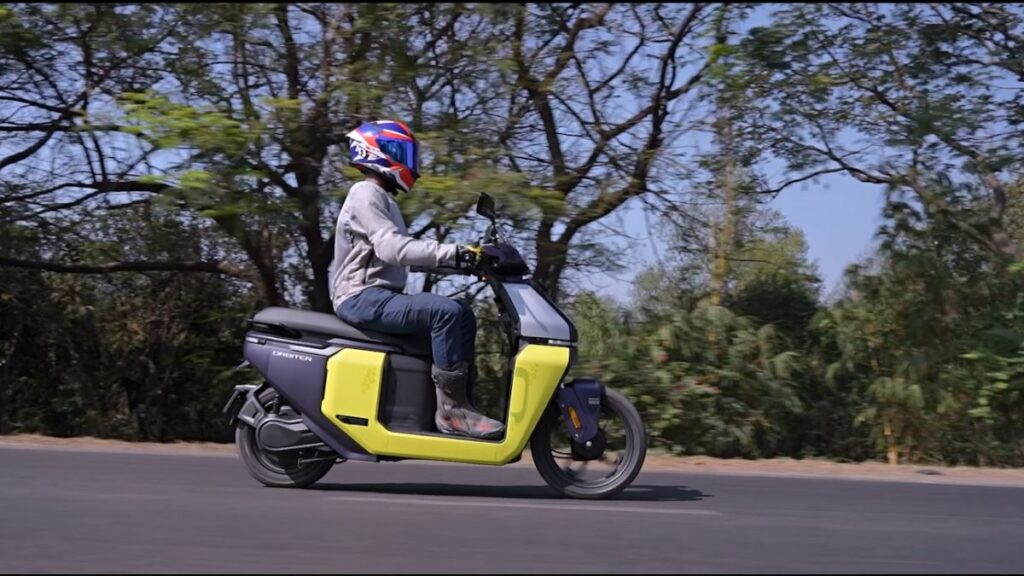
Riding the TVS Orbiter, I immediately appreciated its step-through design and flat floor board which add to its practicality. It comes with a hook, a small glovebox, and a USB Type-A port tucked behind the apron, making daily use simple. The boot space of 34L is not deep but long, making fitting two half-face helmets easy peasy lemon squeezy, though one full-face helmet is impossible to store. For someone like me, a 6-footer, the ergonomics feel commendable and clearly built for short city commutes. The 845mm long seat provides support and cushioning for two full-size adults, and there’s even space for a kid on a school drop along the way.
Also Read: Hyundai Cars Get Big March Discounts Under Super Delight Campaign
Infotainment and Connectivity
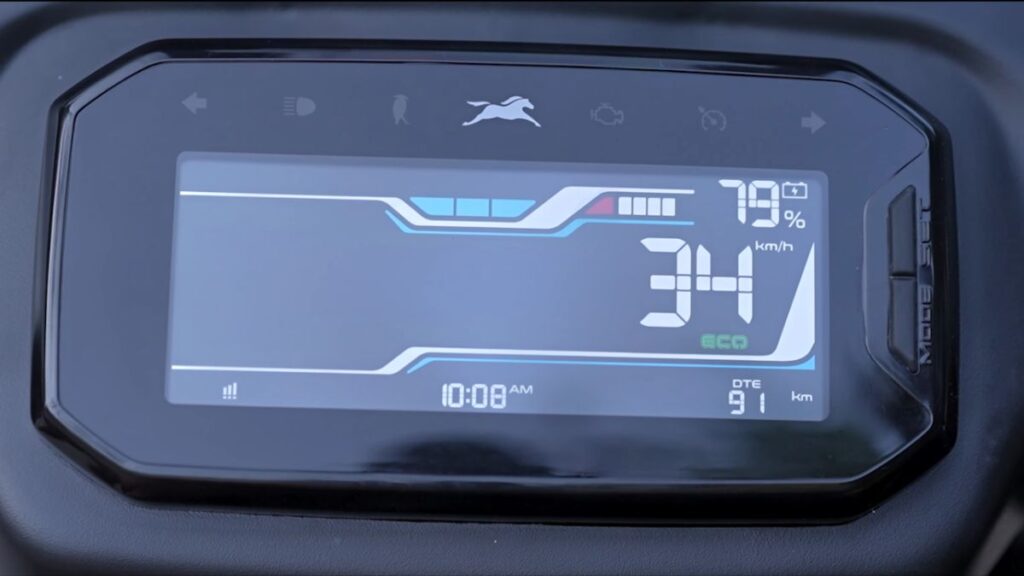
The 5.5-inch colour LCD cluster is a standout, offering a variety of informatics and acting as a platform to engage or disengage Hill Hold and Cruise Control features. The cluster also supports Bluetooth and turn-by-turn navigation through the TVS Connect app, letting you operate key functions without distraction. It’s a smart setup that blends technology with convenience, making city rides smoother and more enjoyable.
Wheels, Power, and Range
The Front wheel is a 14-incher and the rear wheel is a 12-incher, both alloys, giving a slightly unconventional wheel combination that doesn’t affect rideability. There are no disc brakes, which is fine for its intended use and urban speeds. The headlights and horn are decent, while powering the TVS Orbiter is a 3.1 kWh battery pack paired with a 2.5 kW, 3.35 bhp hub motor on the rear wheel. Riders can select riding modes like Eco or City, and the promised range is 158 km, though in my experience, it delivers around 100 km – 130 km depending on riding style and the amount of regen used along the way.
Also Read: Zelo Knight+ Rani Edition Launch Price Revealed: Rs 69,990 Electric Scooter
Performance and Ride Experience
When it comes to TVS Orbiter, the performance is decent for a family format electric scooter. The powertrain feels mostly vibe-free, and the ride quality over large wheels is truly impressive. On level roads and mild declines, the scooter does not feel underpowered, but steep inclines pose challenges.
The day I received TVS Orbiter in Pune, a hill near my new place surprised me as I tried to climb it. Personnel who delivered the scooter mentioned it might struggle, and after I tested it myself, I realized they were right. On critical points, City Mode dropped the top speed to 5 km/h at full throttle, and walking it up seemed easier. The battery SOC was 33% with a 100 kg rider, but gentler inclines are no problem. Features like Hill Hold help, though Cruise Control feels less intuitive, requiring attention to traffic on an empty stretch of roads, with a bit of pfaff to trigger the process correctly.
Charging and Convenience
Charging the TVS Orbiter sparked mixed opinions for me at my new place since I had no setup for the electric scooter yet. A removable battery offers freedom for users to charge anywhere, which is handy. A prospective buyer will likely sort out a charging setup on day one, which negates the need for extra arrangements, but a prospective user might face situations needing charging outside their comfort sphere. On such days, you’ll wish the scooter had a removable battery to charge anywhere, keeping rides convenient and stress-free.
Conclusion
The TVS Orbiter EV, priced at Rs 99,999 (Effective Ex-sh), offers an excellent value proposition compared to iQube with its 3.1 kWh battery and larger size, giving it a strong presence and a unique, quirky personality that feels likeable. Its commendable range justifies the price tag while making it a great, family format scooter and a practical electric scooter for predictable daily commutes on a route without steep inclines, especially with a reliable home charging setup. While TVS Motor could offer a more affordable variant without Bluetooth, turn-by-turn navigation, or the non-intuitive Cruise Control, the current model still makes a bigger splash in the growing electric scooter segment across India.
